In the high-octane world of drone racing, 2025 marks a revolutionary turning point. Drone technology has evolved beyond expectations, pushing engineering boundaries to birth machines capable of unfathomable speeds. Among these, one drone stands unrivaled — a blisteringly fast, precision-engineered creation that now holds the title of the fastest racing drone in the world. Let us navigate through the technical marvels, competitive milestones, and futuristic engineering that define this extraordinary drone and the industry it dominates.
Peregreen 2: The Pinnacle of Speed and Engineering in 2025
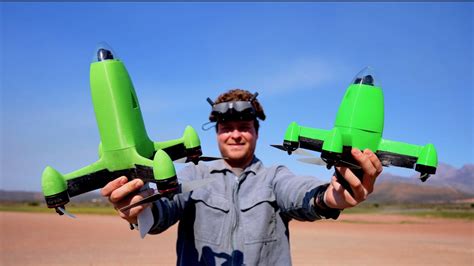
The Peregreen 2, a revolutionary battery-powered quadcopter, shattered previous speed records with an average top speed of 298.47 mph (480.23 km/h), earning it the Guinness World Record for the fastest ground speed by a battery-powered remote-controlled quadcopter. This elite machine was meticulously designed by South African photographer and drone enthusiast Luke Bell and his father, Mike Bell. Inspired by nature’s most formidable aerial predator, the Peregrine Falcon, the Peregreen 2 mirrors its namesake’s rapid and agile flight, pushing the limits of drone aerodynamics and thrust-to-weight ratios.
At the heart of the Peregreen 2’s exceptional performance lies a carbon fiber monocoque chassis — ultra-lightweight, yet immensely strong. This material, combined with high-output brushless motors and precision-calibrated ESCs (electronic speed controllers), ensures that every ounce of thrust translates into maximum acceleration with minimal drag.
How the Peregreen 2 Surpassed All Previous Contenders
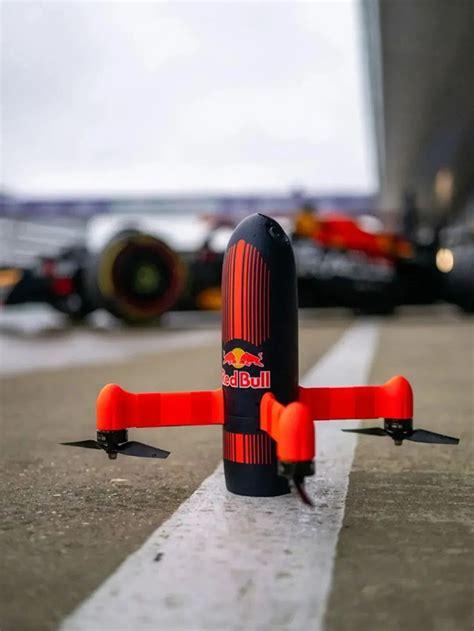
Before the Peregreen 2’s groundbreaking feat, the title of the world’s fastest drone was proudly held by the Red Bull Drone, a collaborative brainchild of the Dutch Drone Gods, renowned for blending cinematic brilliance with racing ingenuity. With design cues taken directly from Formula 1 engineering, this machine reached astonishing speeds exceeding 217 mph (350 km/h). Built primarily for capturing high-velocity motion in ultra-HD video, its success blurred the line between performance drone and professional camera rig.
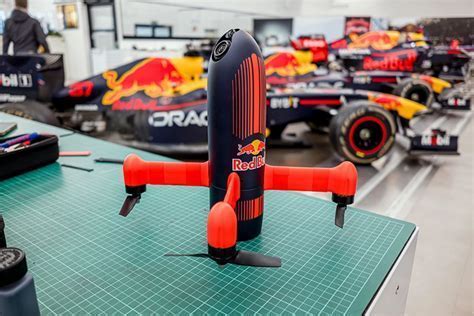
The Dutch Drone Gods, already celebrated for building the fastest cinematic drone ever, infused the Red Bull Drone with optimized downforce aerodynamics, much like the rear wings of an F1 car. Yet, even this technological tour de force ultimately fell to the blistering straight-line velocity of the Peregreen 2. The difference? Purpose-driven engineering — the Peregreen 2 wasn’t designed to carry camera payloads or to film; it was designed purely to annihilate the speed barrier.
Top Racing Drones You Can Actually Buy in 2025
While drones like the Peregreen 2 and the Red Bull Drone are custom-built and unattainable for the average pilot, the commercial market offers high-performance models capable of delivering race-grade velocity. Here are the most formidable ready-to-fly racing drones currently available:
DRL Racer X
Still a titan in drone racing circles, the DRL Racer X achieved Guinness recognition for fastest drone flight, clocking an average of 165.2 mph, and peaking at 179.78 mph in controlled test runs. Its lightweight airframe, powered by four 46,000 RPM motors, delivers stunning thrust-to-weight ratios. However, its agility and power demand expert-level piloting skills.
DJI FPV
The DJI FPV, combining DJI’s proprietary stabilization with race-like handling, offers an impressive top speed of 87 mph (140 kph). Designed for hybrid performance — speed and cinematic capture — it remains a go-to option for users desiring a visceral FPV experience while preserving flight control finesse and 4K capture capabilities.
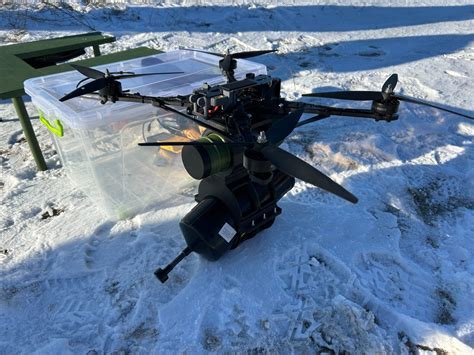
Walkera F210 3D Racing Quadcopter
Built for competitive drone racers, the Walkera F210 3D clocks in at 55 mph. While its raw speed doesn’t approach DRL or DJI levels, its rugged design — incorporating carbon fiber and aluminum alloy — makes it highly durable, particularly in aggressive 3D flight modes. This model serves as an accessible entry point for intermediate racers refining their FPV skills.
What Makes a Racing Drone Fast? Key Engineering Factors
Behind every high-speed drone lies a suite of precision-engineered components and design philosophies. To understand how drones like the Peregreen 2 reach record-breaking speeds, we must unpack the critical variables involved in drone velocity.
Aerodynamic Design
Aerodynamics is paramount to drone speed. Sleek, streamlined frames reduce air resistance and improve efficiency. The Peregreen 2’s elongated arms, swept-back prop positions, and low-drag canopy were all engineered to mimic airflow strategies seen in fighter jets and falcons alike. Reduced surface area and proper air channeling dramatically cut wind drag.
Lightweight Structural Materials
Using carbon fiber, graphene composites, and aerospace-grade plastics, designers have minimized mass without compromising strength. The Peregreen 2, for instance, benefits from a sub-200g frame — ultralight, yet resilient enough to endure extreme forces in turns and dives.

High-Power Propulsion Systems
Motors and ESCs lie at the heart of every drone’s speed equation. High-KV brushless motors, paired with multi-blade carbon fiber propellers, generate extreme thrust per gram of weight. Precision ESCs then govern how power is distributed — enabling blistering acceleration, deceleration, and split-second maneuvering.
Advanced Battery and Power Management
To sustain bursts of speed over time, drones need high-capacity, high-discharge LiPo battery packs. Modern racers like the DRL Racer X rely on 6S or 8S battery configurations, delivering energy with minimal voltage sag. Even a millisecond of power drop can cost critical speed, so power reliability is non-negotiable.
Flight Control & Stabilization Systems
Flying at near-supersonic speeds requires perfect control. Integrated gyroscopes, accelerometers, and proprietary flight controllers allow pilots to maintain stable trajectory and real-time feedback, even under high-G maneuvers. For drones like the DJI FPV, this stability also helps bridge the gap between sport and filmography.
Why Peregreen 2 Is More Than Just a Speed Demon
Beyond its record-breaking velocity, the Peregreen 2 symbolizes the direction drone racing is heading — toward ultra-specialized, purpose-built machines optimized not for versatility, but for victory. In this light, the Peregreen 2 isn’t merely a drone; it is a statement of engineering intent, embodying the next phase of drone innovation. It reflects a philosophy where materials science, fluid dynamics, and electrical efficiency converge to pursue a single goal: speed.
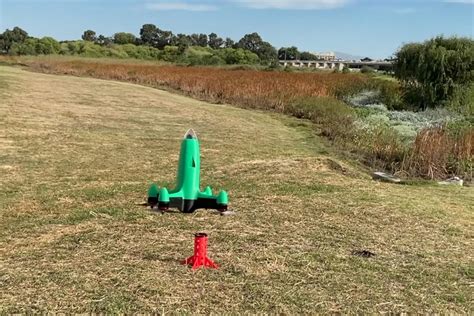
What the Future Holds for Racing Drone Speed Records
As we peer ahead, it’s clear that the 300 mph barrier is within reach. With the maturation of next-gen ESCs, quantum-enhanced control systems, and graphene-based supercapacitors, future racing drones will exceed today’s limitations. AI-assisted navigation may become a norm, allowing drones to adjust to turbulence and course obstacles at microsecond intervals. Combined with edge-computing enhancements and real-time processing, this evolution will redefine what is physically possible.
What remains constant is the demand for visionary creators, like the Bells or the Dutch Drone Gods, who dare to push the threshold and innovate beyond today’s expectations. With each new record, drone racing cements itself not just as a sport, but as an engineering frontier.
Conclusion: A New Era of Drone Speed Has Arrived
The Peregreen 2’s 2025 dominance isn’t just a temporary victory — it marks the dawn of a new performance era in drone racing. While other models continue to impress on commercial and prosumer fronts, nothing currently available rivals the raw, unfettered speed of this South African-built powerhouse. As drone technology matures, we can expect new challengers, new records, and new heights of aerial performance. But for now, the Peregreen 2 stands unchallenged — the fastest racing drone in the world in 2025.