When preparing for a trip to France, packing the right travel adaptor is essential for keeping devices powered safely and reliably. France operates on a specific electrical system that differs from the UK and several other regions, and understanding these standards ensures that every appliance—from a hair dryer to a laptop—functions correctly without risk of damage. This guide explains the socket types used throughout the country, voltage requirements, and how to determine whether you need an adaptor, converter, or transformer during your stay.
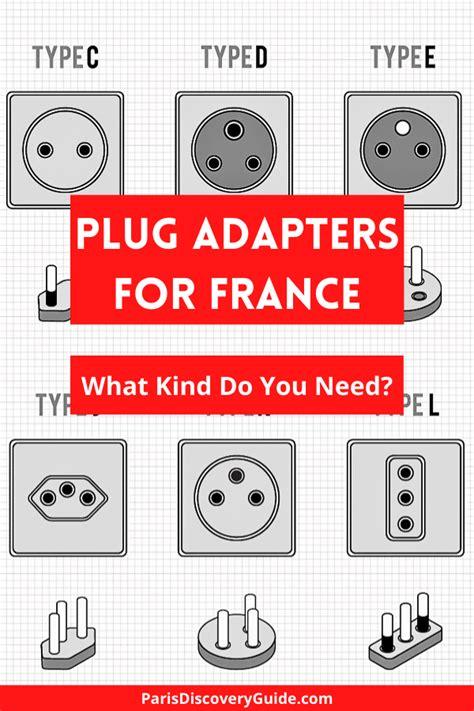
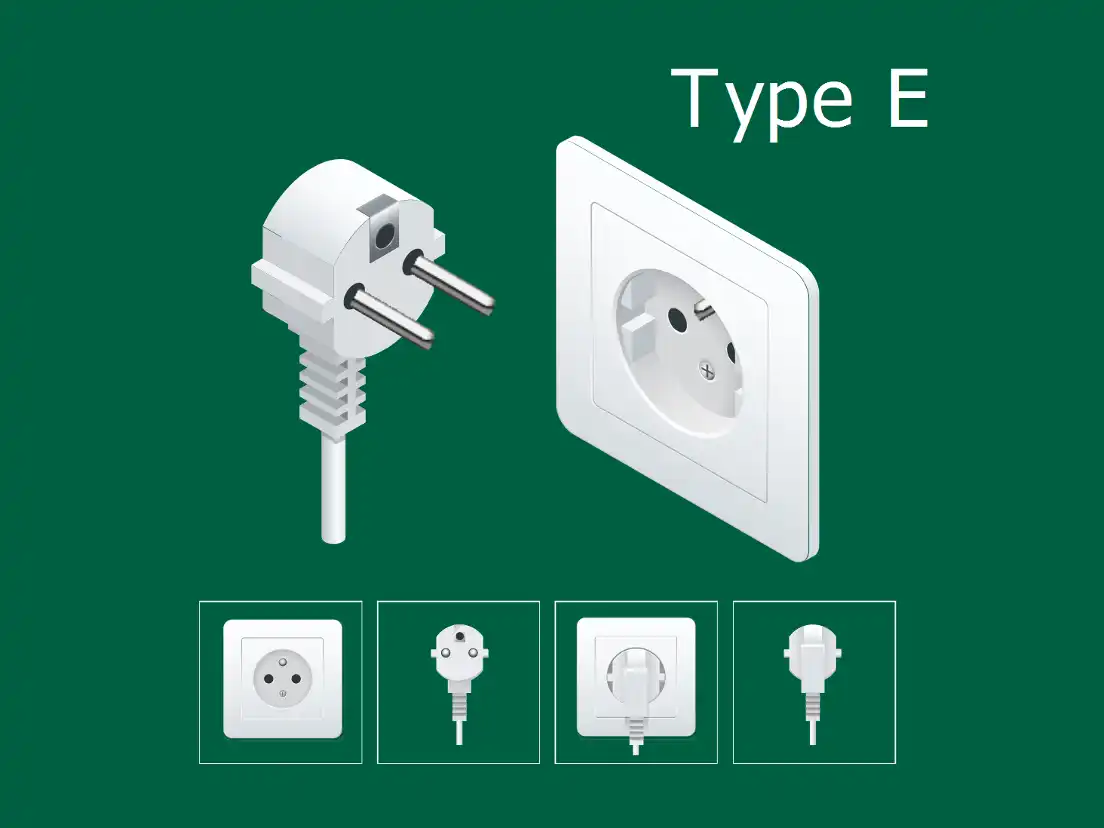
France uses two primary plug types: Type C and Type E. Both feature two round pins, though Type E includes an additional hole to accommodate a socket’s male earth pin. Modern electrical outlets in France frequently support both standards, making them compatible with the majority of European appliances.
France’s electrical grid operates at 230V with a 50Hz frequency, aligning with much of Europe. Visitors from countries with similar ratings will often find the electrical environment familiar, but those travelling from regions using 110V or 120V must verify that their devices can safely support French voltage.
When a Travel Adaptor Is Necessary
A travel adaptor allows a UK-style plug to physically connect to a French electrical outlet. It does not convert voltage or frequency; rather, it ensures the plug shape matches the socket shape. Travellers using UK appliances—especially those with square-pin Type G plugs—must carry a compatible adaptor to operate their device safely. For most mobile electronics such as phones, tablets, and cameras, a simple adaptor is typically sufficient, provided the device already supports dual voltage.
Voltage Converters and Transformers: When They Matter
Voltage varies widely across the world, ranging from 100V to 240V. Using a device that is incompatible with local voltage can lead to overheating or permanent damage. Appliances designed exclusively for 110V sources will require a voltage converter or transformer in France. These devices adjust the voltage level before it reaches your appliance.
Converters are designed for short-term use with appliances that operate intermittently—such as hair dryers or electric shavers. Transformers, on the other hand, are better suited for equipment that must run continuously, like radios or charging docks. Both converters and transformers include a maximum power rating measured in watts or amps, and appliances must always fall within this limit to function safely.
Identifying Dual Voltage Appliances
Many modern electronics are designed to operate internationally. A dual-voltage appliance typically states “110–240V” or similar on its rating plate. These gadgets adapt automatically, requiring only the correct travel adaptor to connect physically to the socket. France’s 230V standard fits squarely within the range supported by dual-voltage devices, making them ideal for frequent travellers.
If a device clearly indicates a single voltage—for example, “120V”—it cannot be used in France without additional equipment. Plugging such a device directly into a French outlet poses a significant safety risk and can irreparably damage the appliance.
Using Single Voltage Appliances Safely in France
Single-voltage appliances must match the destination country’s electrical standard. Because France uses 230V, any device rated for a lower voltage must be paired with a suitable converter or transformer. It is important to differentiate between these tools to ensure the equipment performs reliably.
Converters handle short-duration operation and should never be used with appliances that run continuously. Transformers are built for heavier, longer-duty cycles and generally offer safer, more stable performance. Depending on your appliance type, selecting the correct option ensures both safety and functionality throughout your travels.
Understanding Earth Requirements and Double-Insulated Appliances
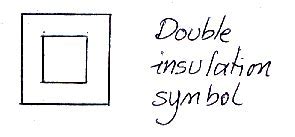
Not all travel adaptors support appliances requiring an earth connection. Some adaptors are intended only for double-insulated equipment, which is marked with a specific symbol showing two squares—one nested inside the other. These devices do not require an earth connection at all, making them safe to use with simpler adaptor designs.
Appliances lacking this symbol and requiring an earth connection must be paired with an adaptor that supports grounding. Using the incorrect adaptor can compromise user safety and may violate local electrical standards.
Final Preparations Before Travelling
Before departing for France, reviewing each appliance’s voltage rating, power usage, and grounding requirements ensures smooth operation upon arrival. Packing the correct travel adaptor, and when necessary, a converter or transformer, eliminates the frustration and risk of electrical incompatibility.
Understanding the difference between plug types, voltage standards, and appliance classifications gives travellers confidence and prevents costly mistakes. France’s electrical system is straightforward once these principles are clear, allowing every device—from a personal grooming tool to essential work equipment—to operate safely throughout the journey.