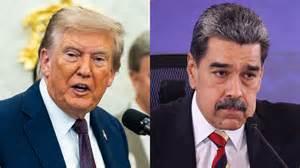
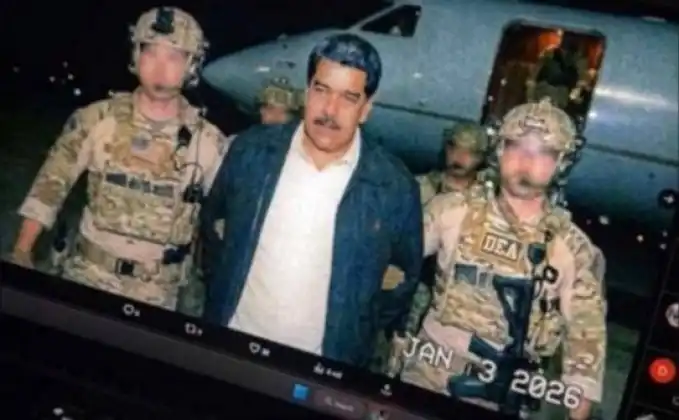
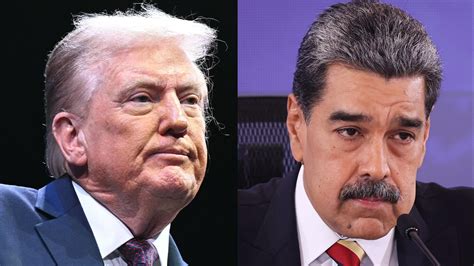
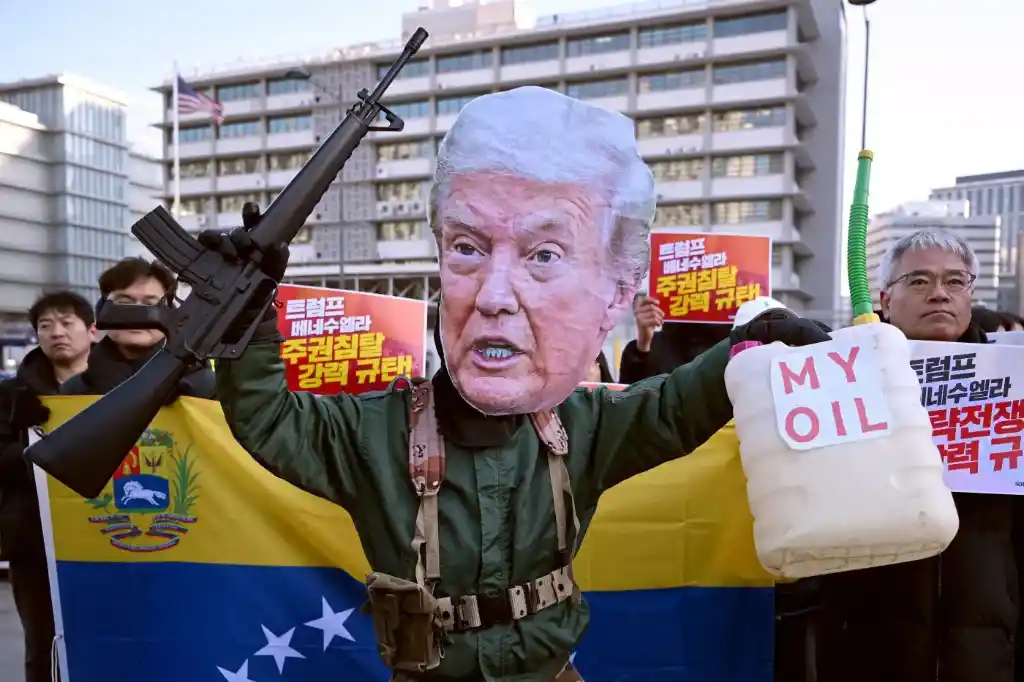
The recent U.S. military intervention in Venezuela, culminating in the capture of President Nicolás Maduro, has sparked global outcry, raising profound questions about the relevance of the United Nations and the interpretation of international law. This act, justified by Washington under the contentious lens of Article 51 of the UN Charter, poses a pressing dilemma: Is it an exceptional invocation of self-defense or a blatant violation of sovereign rights and multilateral norms?
Eroding the Foundations of International Law
The United Nations Charter, adopted in 1945, remains the cornerstone of modern international relations. Among its central tenets are the principles of sovereign equality, non-intervention, and collective security. Article 2, paragraph 4, clearly prohibits “the threat or use of force against the territorial integrity or political independence of any state.”
Yet, the U.S. action in Venezuela challenges this fundamental norm. There was no clear authorization by the UN Security Council, nor any universally acknowledged threat posed by Venezuela to the U.S. homeland. The sudden abduction of a sitting head of state—without multilateral backing—risks undermining the global legal architecture.
The Controversial Shield of Article 51
Article 51 is often invoked as a legal loophole, allowing military action in self-defense. It states:
“Nothing in the present Charter shall impair the inherent right of individual or collective self-defence if an armed attack occurs against a Member of the United Nations…”
The operative phrase here is “if an armed attack occurs.” No such event was documented prior to the Venezuelan strike. The U.S. provided ambiguous intelligence suggesting links between Caracas and transnational crime networks or alleged threats to American diplomats. However, these claims remain unsubstantiated in the public domain and have not convinced the wider international community.
Such reliance on preemptive self-defense dangerously broadens Article 51’s original scope. Critics argue that this interpretation enables powerful states to bypass international consensus and justify unilateral aggression.
A Pattern of Precedents: U.S. and NATO’s Selective Multilateralism
The Venezuela case is far from isolated. It fits into a broader pattern of Western military interventions without UN endorsement. The following historical precedents illustrate this recurring phenomenon:
- Dominican Republic (1965): Over 22,000 U.S. troops intervened to block a democratic return.
- Grenada (1983): Justified as protecting American citizens, but condemned internationally.
- Panama (1989): General Noriega was ousted, arrested, and tried in the U.S., echoing Maduro’s current fate.
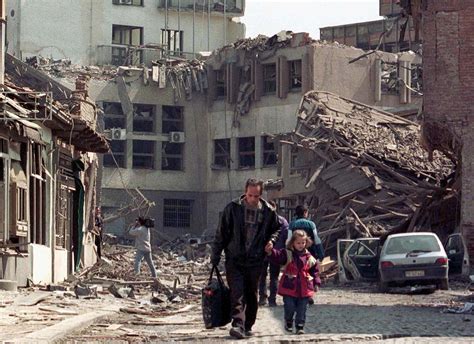
- Kosovo (1999): A 78-day bombing campaign led by NATO, absent Security Council approval.
- Iraq (2003): The infamous invasion based on fabricated intelligence about Weapons of Mass Destruction.
Each instance undermined the authority of the UN and fueled resentment, especially among Global South nations that perceive a double standard.
Unilateral Sanctions: Economic Warfare in Another Form
In parallel with military actions, economic sanctions have become a preferred instrument of U.S. foreign policy. While the UN does authorize sanctions under Chapter VII, unilateral coercive measures imposed without Security Council consent are widely seen as contrary to international law.
Venezuela has endured a crushing array of such sanctions, aimed explicitly at regime change. UN experts have warned these measures have exacerbated humanitarian crises and infringed on human rights.
Other high-profile cases include:
- Cuba: The U.S. embargo, in place since the 1960s, has been condemned almost unanimously by the UN General Assembly.
- Iran: After the U.S. exited the JCPOA, sanctions crippled the economy and escalated regional tensions.
- Russia: Punitive measures after Crimea’s annexation and the 2022 Ukraine invasion have bypassed WTO norms and targeted third-party countries engaging with Moscow.
These examples expose a troubling reality: the global rulebook is often rewritten by the most powerful players.
The U.N.’s Relevance in Crisis
UN Secretary-General Antonio Guterres’s statement of being “deeply alarmed” by the U.S. action in Venezuela speaks to an enduring institutional crisis. However, the Security Council’s impotence is neither new nor surprising. With five permanent members wielding veto power, accountability is often hostage to geopolitical interests.
Calls for reform grow louder. Countries like India, Brazil, Germany, and Japan demand permanent seats to reflect the realities of today’s multipolar world. An African nation, too, is seen as essential for equitable representation. The Council’s current makeup mirrors the post-World War II order, not the 21st-century geopolitical landscape.
Realpolitik Overrules International Norms
Renowned philosopher Robert L. Holmes has written extensively about the erosion of multilateral institutions. His critique of the U.N. as a vehicle for neo-imperialism resonates strongly in the Venezuelan context. When global institutions are manipulated by a few for strategic gain, the broader world loses faith in their legitimacy.
The hypocrisy is glaring. Western powers lambast Russia’s actions in Ukraine or China’s designs on Taiwan, yet seldom reflect on their own interventions. The selective application of the UN Charter corrodes its foundational purpose.
Seizing a Sovereign Head of State: Legal and Ethical Abyss
No precedent exists in recent history where a sitting head of state has been captured and detained by a foreign power without a Security Council mandate. President Maduro’s forceful removal raises chilling questions:
- Can powerful nations now conduct cross-border arrests of world leaders?
- What protections remain for sovereignty if enforcement is arbitrary?
- Who determines legitimacy in international governance—law or might?
The long-term consequences of such an act could be destabilizing. Emerging powers may now adopt similar doctrines to justify interventions, eroding whatever legal guardrails remain.
Economic and Humanitarian Fallout
Beyond geopolitical consequences, Venezuelans themselves bear the brunt. With political leadership decapitated and sanctions unrelenting, the country teeters on the brink of collapse. The economy, already battered by inflation and isolation, may spiral into deeper chaos.
Humanitarian access is restricted. Medical supplies, food imports, and banking systems are disrupted. The UN has warned of increasing malnutrition, migration, and child mortality, all consequences of unilateral action devoid of humanitarian foresight.
Conclusion: The Charter in Crisis, The World at Crossroads
The U.S. attack on Venezuela is not just a foreign policy episode; it is a seismic event that challenges the international legal order. If Article 51 can be stretched to justify such aggressive and opaque interventions, then its deterrent function collapses.
The United Nations risks descending into irrelevance—not because of inefficiency, but due to systemic disenfranchisement. It is shackled by a post-WWII structure that enables power politics under the guise of legality.
Reform is no longer a diplomatic wish—it is an existential imperative. Unless the international community redefines its rules, restores the balance of multilateralism, and holds even the most powerful accountable, the world will slide further into lawlessness.
Today, it is Venezuela. Tomorrow, it could be any nation. Sovereignty, justice, and peace demand a new order—rooted in equality, legality, and global consensus.