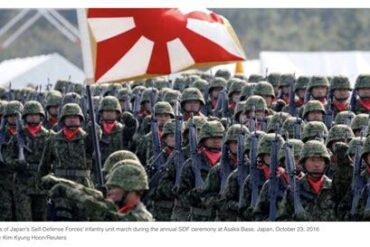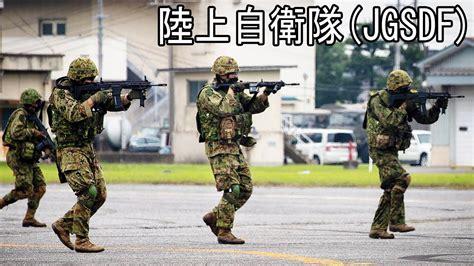
The Japan Self-Defense Forces (JSDF), established on July 1, 1954, represent one of the most unique military organizations in the world, defined by a complex interplay of constitutional limitations, geopolitical pressures, and cutting-edge technological advancements. Tasked with defending the Japanese archipelago, these forces have evolved from a modest post-war police reserve into a formidable defense entity capable of both national defense and international support missions.
The Historical Roots of the JSDF
Following Japan’s defeat in World War II, the nation underwent a profound transformation. The Allied Occupation (1945-1952), led primarily by the United States under Supreme Commander for the Allied Powers (SCAP), disbanded Japan’s imperial military forces, replacing them with a pacifist constitution. Article 9 of the 1947 Japanese Constitution explicitly renounced war as a sovereign right and prohibited the maintenance of military forces. However, with the onset of the Cold War and rising regional instability, the United States encouraged Japan to reestablish a defensive capability.
In 1950, as the Korean War erupted, the National Police Reserve (NPR) was formed, initially comprising 75,000 personnel. This force was intended as a stopgap measure to handle internal security while American troops redeployed to the Korean Peninsula. By 1952, this force expanded into the Coastal Safety Force, providing the foundation for what would become the Maritime Self-Defense Force (MSDF). The formal establishment of the JSDF followed the passage of the Self-Defense Forces Act in 1954, officially creating the Ground Self-Defense Force (GSDF), Maritime Self-Defense Force (MSDF), and Air Self-Defense Force (ASDF).
The Post-War Defense Framework and U.S. Alliance
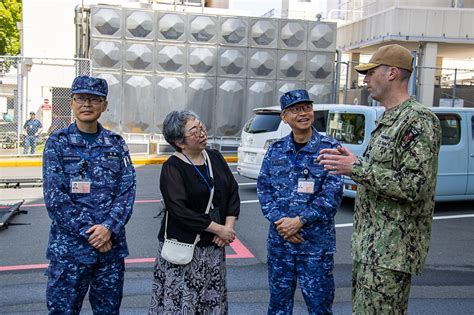
Japan’s defense posture has long been anchored in its alliance with the United States. The 1954 U.S.–Japan Security Treaty provided the initial framework for Japan’s defense, ensuring American military protection in exchange for bases and support within the region. This agreement was revised in 1960, introducing mutual defense obligations and formalizing the strategic partnership that remains the cornerstone of Japan’s national security.
Despite constitutional constraints, Japan has developed substantial defensive capabilities over the decades. The National Defense Program Guidelines (NDPG) and Mid-Term Defense Program (MTDP) outline the JSDF’s force structure, equipment priorities, and readiness levels. These documents reflect the ongoing shift towards a more proactive defense posture, including missile defense, cyber warfare, and regional power projection.
Structural Growth and Capability Expansion
The JSDF has undergone significant structural and capability upgrades in the 21st century. In 2007, the Defense Agency was elevated to the status of a full Ministry of Defense, reflecting the growing importance of national security. Notable formations include the Special Operations Group (2004), focused on counterterrorism and high-risk missions, and the Amphibious Rapid Deployment Brigade (2018), which provides rapid response to potential island incursions.
Additionally, Japan established its first overseas base in Djibouti in 2010, initially to support anti-piracy operations in the Gulf of Aden. This base symbolizes Japan’s growing commitment to international security and disaster relief.
Advanced Defense Technologies and Modernization
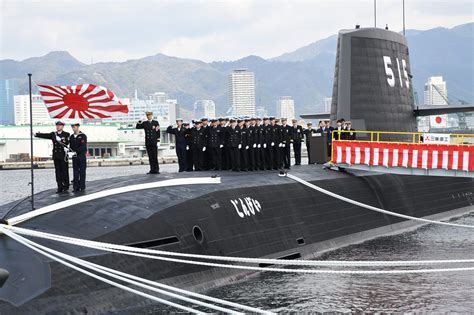
Japan’s defense industry, led by giants like Mitsubishi Heavy Industries, Kawasaki Heavy Industries, IHI Corporation, and Fujitsu, has produced some of the world’s most advanced military systems. These include the Taigei-class submarines launched in 2018 and the Type 12 surface-to-ship missile systems, with hypersonic glide capabilities under development.
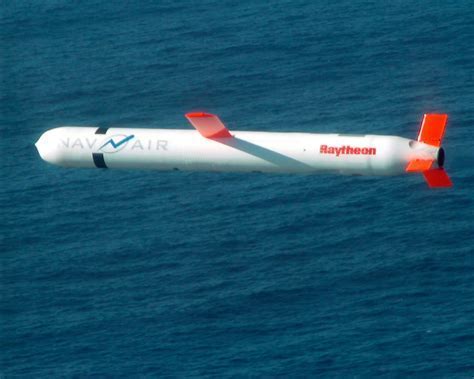
In 2022, Japan announced a significant policy shift, acquiring Tomahawk cruise missiles to enhance its counterstrike capabilities, reflecting a broader shift toward a more assertive defense posture amid growing regional tensions.
International Cooperation and Joint Exercises
Japan has steadily expanded its international defense partnerships. Major joint exercises include Keen Sword with the United States, Malabar naval drills with India, and bilateral training with the U.K. Honourable Artillery Company. Recent agreements, such as the Acquisition and Cross-Servicing Agreement (ACSA) with India (2020) and Australia (2022), underline this expanding network of security cooperation.
In 2025, Japan appointed its first NATO ambassador, signaling a deepening of ties with Western military alliances as global power dynamics continue to shift.
Challenges and Future Outlook
As Japan moves towards a more active security role, it must balance constitutional constraints with growing regional threats. This includes managing territorial disputes in the East China Sea, responding to North Korean missile provocations, and maintaining technological superiority over emerging regional powers. Article 9 of the Constitution of Japan remains a central constraint, though its reinterpretation in recent years has allowed for limited collective self-defense and the deployment of long-range missile systems strictly for counterstrike.
With defense spending at ¥6.82 trillion as of 2023, representing 1.19% of GDP, Japan continues to invest in cutting-edge technology, cyber capabilities, and space defense. This strategic evolution, coupled with a robust alliance network, positions the JSDF as a critical player in regional stability and global security.