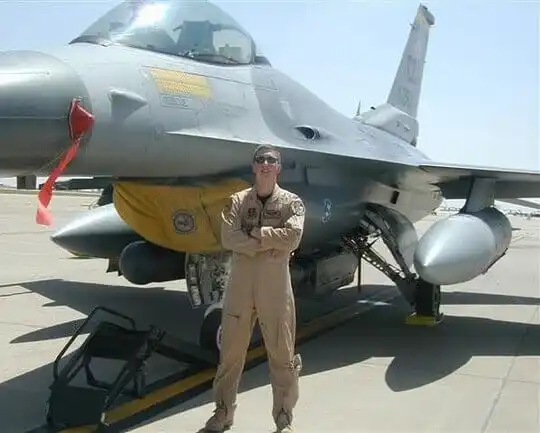
The salary of an F-16 pilot in the United States Air Force is a subject of considerable interest, particularly for those contemplating a career in military aviation. The role of an F-16 pilot, who flies one of the most versatile multi-role fighter aircraft, is demanding and requires years of training and experience. Compensation for these pilots is influenced by several factors, including rank, years of service, additional allowances, and bonuses. This detailed guide will provide an in-depth breakdown of what an F-16 pilot earns, covering base pay, allowances, potential bonuses, and factors that influence their salary.
F-16 Pilot Salary Breakdown: Base Pay and Allowances
The salary of an F-16 pilot in the US Air Force is determined primarily by military pay scales. These scales are structured around the pilot’s rank and years of service rather than the specific aircraft they operate. The salary can vary significantly depending on the pilot’s experience, rank, location, and additional compensation received for specialized duties.
Base Pay for F-16 Pilots
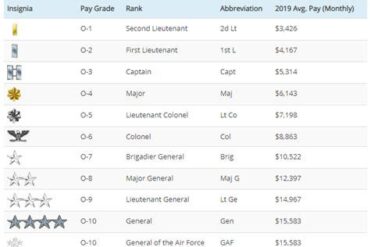
Base pay is determined by the Department of Defense and is categorized by rank and service length. Here’s a rough overview of base pay for different ranks:
- Second Lieutenant (O-1): Just starting their career, a Second Lieutenant receives a monthly base salary of about $3,477, translating to an annual salary of $41,724.
- First Lieutenant (O-2): With 2-3 years of service, a First Lieutenant earns approximately $4,348 per month, or $52,176 annually.
- Captain (O-3): A Captain with 4 years of service earns about $5,019 per month, translating to an annual salary of around $60,228.
- Major (O-4): A Major with 10 years of service earns about $6,931 monthly, or $83,172 annually.
These figures represent the core salary before any additional allowances or bonuses are added, which can significantly increase overall earnings.
Flight Pay (Aviation Career Incentive Pay)
One of the key incentives for F-16 pilots is Flight Pay, also known as Aviation Career Incentive Pay (ACIP). This allowance is designed to compensate pilots for the high skill levels and risks associated with their duties. Flight pay is given based on the pilot’s years of service and can reach up to $1,000 per month. For example:
- A pilot with 6 years of service might receive around $900 per month.
- A more experienced pilot, nearing the 10-year mark, could earn the full $1,000 per month.
Flight pay is generally awarded to all rated aviators, including F-16 pilots, and is crucial for augmenting their base salary.
Basic Allowance for Housing (BAH)
In addition to base pay and flight pay, F-16 pilots are entitled to the Basic Allowance for Housing (BAH). This allowance helps cover the cost of housing for military personnel and varies depending on the pilot’s location and whether they have dependents.
For example, pilots stationed in high-cost living areas, like Washington, D.C., may receive a BAH of around $2,500 per month. In more affordable areas, the allowance might be closer to $1,500 per month. This significant variation can drastically impact a pilot’s overall earnings.
Basic Allowance for Sustenance (BAS)
The Basic Allowance for Sustenance (BAS) is a fixed monthly payment given to all military service members, which covers food and meal costs. In 2024, the BAS for an individual service member is approximately $457.56 per month. This allowance does not depend on the location but is given uniformly to all Air Force personnel.
Total Compensation for F-16 Pilots
When all allowances and bonuses are factored in, an F-16 pilot’s total compensation can be significantly higher than their base salary. Let’s look at an example of a Captain (O-3) with 6 years of service:
- Base pay: $5,411 per month ($64,932 annually)
- Flight pay: $900 per month (for 6 years of service)
- BAH: $1,500 per month (average estimate)
- BAS: $457.56 per month
Total monthly compensation: $5,411 + $900 + $1,500 + $457.56 = $8,268.56
Annual total: $8,268.56 x 12 = $99,222.72
In high-cost areas with higher BAH rates, such as California or Washington, D.C., the total annual compensation can exceed $110,000.
Bonuses and Special Pay for F-16 Pilots
While base pay, flight pay, and allowances make up the bulk of an F-16 pilot’s salary, bonuses also play an important role in boosting total compensation. Here are a few bonuses that pilots can receive:
Aviation Bonus
The US Air Force offers an aviation bonus to pilots who commit to additional years of service. These bonuses can be quite substantial, with pilots qualifying for up to $35,000 annually. While not guaranteed for all pilots, this bonus is often awarded to experienced aviators and helps incentivize longer service in the military.
Reenlistment Bonuses
Pilots nearing the end of their service contract may also qualify for reenlistment bonuses. These are offered to encourage pilots to stay in the Air Force and continue their duties. The value of these bonuses varies depending on the pilot’s specialty and experience level, but they can further increase earnings.
Incentive Pay for Special Duties
F-16 pilots who take on special duties, such as becoming flight instructors, squadron leaders, or assuming other leadership roles, may be eligible for additional incentive pay. This is particularly common in high-stress positions or roles requiring greater responsibilities.
Geographic and Location Factors
The location where an F-16 pilot is stationed plays a key role in determining the total salary, particularly when it comes to allowances such as BAH. Pilots stationed in high-cost areas, such as San Francisco, New York City, or Hawaii, will receive higher BAH rates to help cover the cost of living. For instance, in these areas, BAH could be as high as $2,500 per month, significantly boosting total compensation.
Salary Variations Across Different Locations
A pilot stationed in a lower-cost area may have a lower BAH but still earn a competitive salary overall. For example, pilots in Texas or Florida might receive around $1,500 per month for BAH, resulting in lower total compensation compared to pilots in high-cost regions. The salary range for F-16 pilots generally falls between $90,000 to $120,000 annually, but this can rise to $130,000 or more for senior pilots in areas with high living costs.
Estimated Salary Range for F-16 Pilots
Based on the analysis of base pay, allowances, flight pay, and bonuses, the salary for an F-16 pilot can vary considerably depending on rank, experience, and geographic location. Below is an estimate of typical salaries for F-16 pilots at different stages of their careers:
- First Lieutenant (O-2): With 2 years of service, their annual salary may be around $79,267.
- Captain (O-3): With 6 years of service, a Captain could earn approximately $99,222.
- Major (O-4): With 10 years of service, a Major might see an annual salary of $118,663.
- Senior Pilots: With over 10 years of service, senior pilots in high-cost areas may exceed $130,000, especially when considering aviation bonuses and other incentives.
Comparison with Civilian Sector
After serving as F-16 pilots, many individuals transition to the civilian aviation sector, where their experience flying advanced military aircraft like the F-16 can significantly boost their earning potential. Commercial airline pilots, for instance, can earn salaries that exceed $200,000 annually, particularly those flying for major airlines. This is one reason many military pilots view their time in the Air Force as a stepping stone to a potentially more lucrative career in commercial aviation.
Conclusion
In conclusion, the salary of an F-16 pilot in the US Air Force varies widely depending on a range of factors including rank, years of service, location, and additional allowances. Typically, the total compensation ranges between $90,000 and $120,000 per year, with potential for bonuses that can increase earnings beyond $130,000 annually. The pay scale reflects the highly skilled and demanding nature of the job, with many pilots opting to stay in the Air Force due to the unique benefits and career progression available. Additionally, military pilots often transition to civilian aviation careers where salaries can far exceed their military compensation, offering further financial incentives for those who serve in roles such as F-16 pilots.