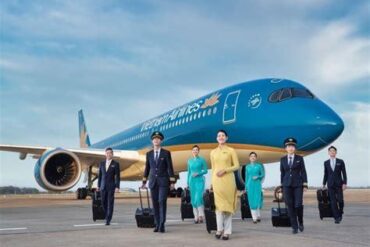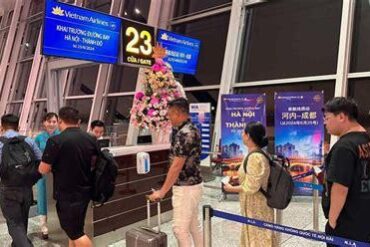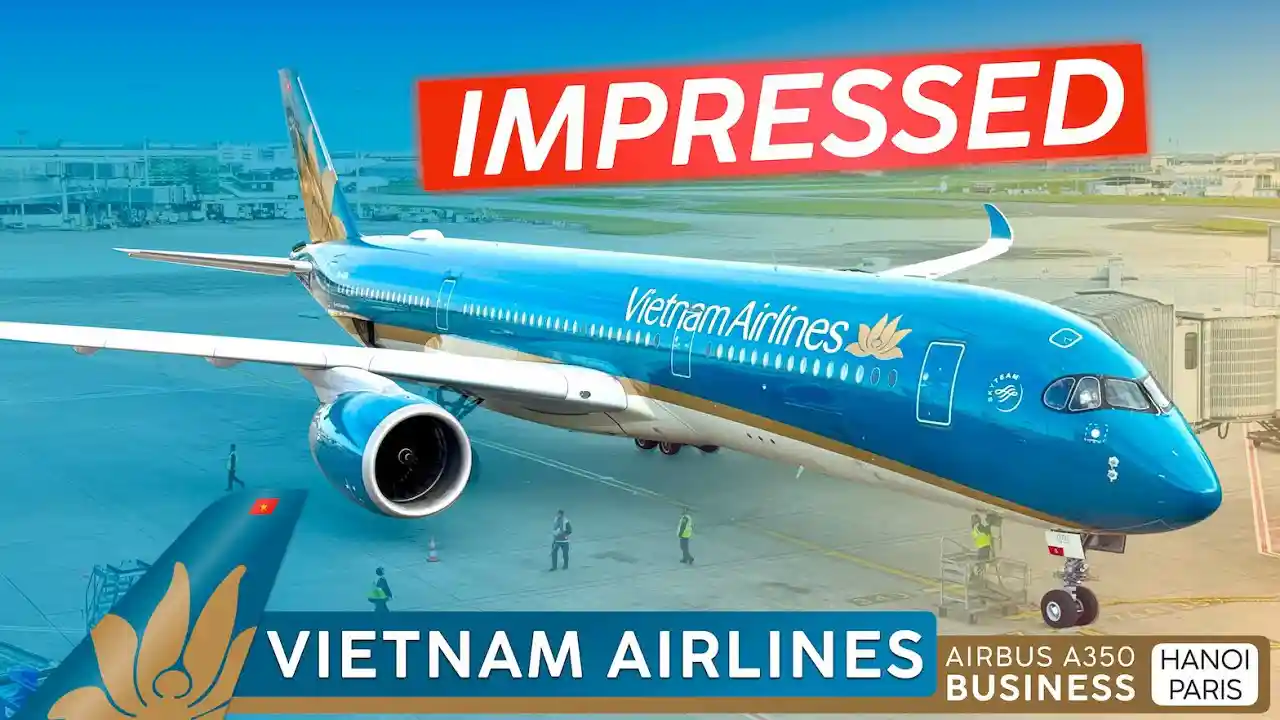
Vietnam Airlines has announced a bold step forward in its international expansion strategy by launching two new direct routes to Europe, linking Hanoi to Milan and Ho Chi Minh City to Copenhagen. These routes mark the airline’s first-ever direct connections to Italy and Denmark, significantly enhancing travel options between Southeast Asia and key European markets. This strategic move is part of Vietnam Airlines’ broader vision to elevate its global connectivity and reinforce its presence in Europe.
Vietnam Airlines Launches Hanoi–Milan Direct Route: A Gateway to Italy’s Economic and Cultural Powerhouse
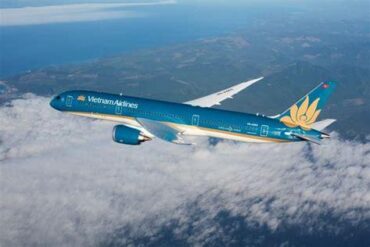
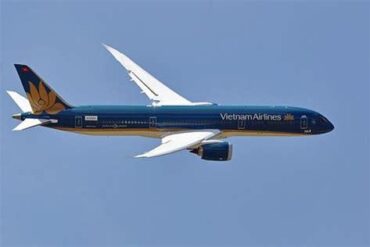
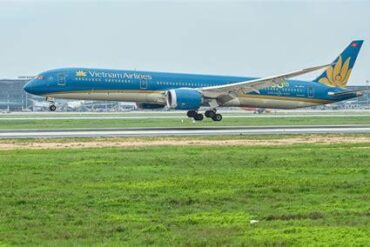
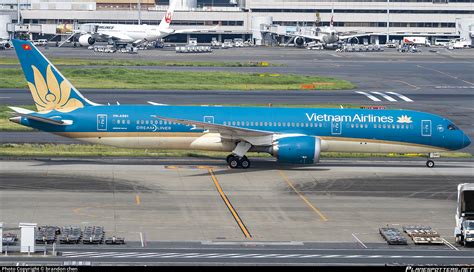
Starting July 1, 2025, Vietnam Airlines will inaugurate its first non-stop service between Hanoi and Milan, establishing a direct bridge between Vietnam and one of Europe’s most vibrant cities. The route will be serviced three times weekly using the airline’s state-of-the-art Boeing 787 Dreamliner, known for its fuel efficiency and advanced passenger comfort features.
By offering this new direct flight, Vietnam Airlines eliminates the need for travelers to transit through congested hubs such as Paris, Frankfurt, or Dubai. For both leisure tourists and business professionals, this is a game-changing convenience. Milan, recognized globally as a fashion capital and an epicenter of finance and design, is now within a single flight’s reach from Vietnam’s political heart.
This connection is also poised to strengthen bilateral relations between Vietnam and Italy. With Milan serving as a major entry point for Italian industry and culture, the route opens new channels for trade missions, academic exchanges, and tourism collaborations. Vietnamese exporters will find improved logistics for reaching European markets, while Italian businesses gain more direct access to Vietnam’s growing consumer base and manufacturing sector.
Ho Chi Minh City–Copenhagen Route: Bridging Vietnam with the Nordic Region
Following the Milan launch, Vietnam Airlines will further expand its European footprint with a direct flight from Ho Chi Minh City to Copenhagen, commencing December 15, 2025. This marks the first time the Vietnamese flag carrier will serve Denmark directly, a move that opens unprecedented access to Northern Europe.
The Copenhagen route, also operated thrice weekly by the Boeing 787-9 Dreamliner, represents a strategic link to a region known for innovation, clean energy, and advanced design. Copenhagen, as a nexus of Scandinavian travel, offers strong onward connectivity to Sweden, Norway, and Finland, especially through Vietnam Airlines’ SkyTeam partnership with Scandinavian Airlines (SAS).
This new route caters not only to travelers and business professionals but also to the significant Vietnamese diaspora across Scandinavia. Denmark is home to a large Vietnamese community, many of whom have long relied on multi-stop journeys through Frankfurt or Amsterdam. The direct service simplifies their travel, fostering stronger family connections and cultural engagement between regions.
Copenhagen also positions itself as a global hub in renewable energy and sustainable urban planning, aligning well with Vietnam’s increasing interest in clean development and smart cities. As a result, the new route may serve as a conduit for bilateral cooperation in environmental technologies, bringing together Vietnamese government agencies and Danish innovation sectors.
Fueling Strategic European Expansion
With these additions, Vietnam Airlines now serves five major cities in Europe — London, Paris, Frankfurt, Milan, and Copenhagen — reflecting a steady and deliberate strategy to broaden its continental network. Unlike regional competitors who rely on alliances or code shares for expansion, Vietnam Airlines has opted for direct service infrastructure, offering more control and reliability over passenger experience.
The European expansion also supports the airline’s overarching plan to restore and introduce up to 15 international routes in 2025, including destinations in Japan, South Korea, China, Russia, and India. This approach aims to secure Vietnam’s role as a regional aviation hub with direct access to a wide array of economic partners.
The Milan and Copenhagen launches are not isolated events; they are woven into a long-term roadmap that envisions Vietnam Airlines as a global connector between East and West. By strategically selecting cities that double as business, tourism, and cultural magnets, the airline ensures that every route adds multi-dimensional value to both its network and its customers.
Economic Impacts: Trade, Tourism, and Beyond
Vietnam Airlines’ European push is expected to generate tangible economic benefits. For tourism, these routes open up direct access for European travelers to explore Vietnam’s heritage sites, beaches, and culinary landscapes. In turn, Vietnamese tourists gain easier routes to iconic destinations like Lake Como, Copenhagen’s Tivoli Gardens, or the Italian Alps.
Trade is likely to flourish. Italy, home to globally renowned industries in fashion, automotive, and luxury goods, will find Vietnam more accessible for both exports and sourcing. Denmark, with its expertise in green tech and pharmaceuticals, has new opportunities to forge partnerships in Vietnam’s fast-growing innovation landscape.
Moreover, both routes will likely boost MICE (Meetings, Incentives, Conferences, and Exhibitions) tourism, with Vietnam positioning itself as a new hotspot for international events and conventions, especially as it builds world-class venues in cities like Ho Chi Minh City and Hanoi.
Enhancing Passenger Experience with Seamless Connectivity
Vietnam Airlines is not only expanding routes but also improving the entire travel ecosystem. As a SkyTeam alliance member, the airline enables passengers on both new routes to book seamless onward journeys throughout Europe using partner carriers. This reduces transfer hassle, improves baggage handling continuity, and increases loyalty program benefits.
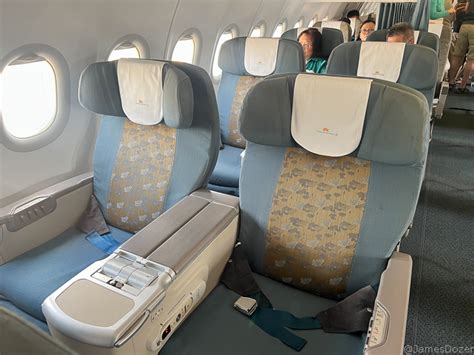
The use of Boeing 787 aircraft on both Milan and Copenhagen routes also ensures a premium flying experience. With spacious cabin design, lower cabin pressure, and improved air quality, the aircraft contributes to reduced passenger fatigue during long-haul travel. Business Class offers lie-flat seats, chef-curated meals, and inflight Wi-Fi, while Economy Class includes upgraded entertainment systems and enhanced legroom.
Vietnam Airlines’ move to enhance these routes also comes with competitive fare strategies, tailored promotions, and frequent flyer perks that are likely to appeal to both budget-conscious travelers and premium clientele.
Cultural Diplomacy and Global Integration
These new routes are not solely commercial ventures — they symbolize deeper cultural and diplomatic intentions. Milan and Copenhagen are capitals of art, sustainability, and innovation. As Vietnam Airlines connects directly to these cities, it also builds bridges for intercultural dialogue, educational exchange, and shared development goals.
Vietnamese students heading to European universities, Italian and Danish entrepreneurs scouting for business in Southeast Asia, or cultural delegations from Hanoi presenting at global forums — all will benefit from faster, more reliable access enabled by these flights.
This underlines Vietnam Airlines’ role as a national ambassador in the skies — carrying not just people, but stories, partnerships, and shared aspirations.
A Vision of Vietnam at the Center of Global Air Travel
Vietnam Airlines’ direct connections to Milan and Copenhagen underscore a broader ambition: to position Vietnam as a pivotal aviation gateway between Europe and Asia. As the country develops its airport infrastructure — including the upcoming Long Thanh International Airport near Ho Chi Minh City — and adopts smart aviation technologies, its carriers are preparing to compete with the biggest names in international air travel.
The addition of Milan and Copenhagen is another step toward building a global network that is diverse, strategically chosen, and passenger-focused. Vietnam Airlines’ continued push for connectivity is a reflection of a nation reaching outward, confident in its growth, and eager to contribute to a more interconnected world.
Conclusion
Vietnam Airlines’ introduction of non-stop routes to Milan and Copenhagen is far more than a logistical expansion. It is a carefully calculated step that combines commercial ambition with cultural foresight, economic opportunity with passenger convenience. These routes solidify the airline’s reputation as a rising global carrier, deepen ties between Vietnam and Europe, and reinforce the strategic importance of Southeast Asia in international aviation.
With a growing fleet, a broader vision, and a relentless focus on excellence, Vietnam Airlines is not just flying new routes — it is forging new paths for the future of global travel.