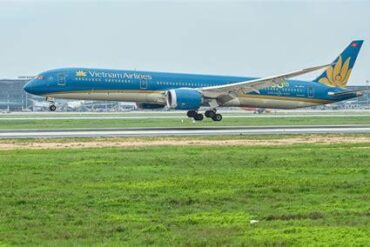
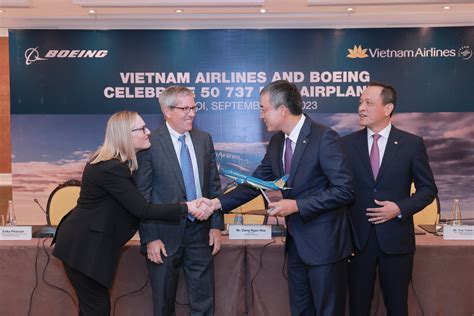
Vietnam Airlines Corporation (VNA) has launched a transformative fleet expansion strategy with a bold acquisition of 50 Boeing 737-8 narrow-body aircraft, amounting to over USD 3.6 billion (VND 92 trillion). This landmark deal, announced during the Annual General Meeting of Shareholders on June 25, 2025, signals the beginning of a decade-long modernization program intended to redefine the airline’s operational capabilities, address rising passenger demand, and strengthen its competitive position in both regional and global aviation markets.
Strategic Vision: Laying the Groundwork for 2025–2035
Chairman Dang Ngoc Hoa outlined the significance of the investment as a centerpiece in VNA’s 2025–2035 modernization blueprint. The strategy is not merely a response to current demand; it is a proactive reconfiguration of fleet dynamics that aims to transform Vietnam Airlines into a more agile, efficient, and globally relevant carrier. The move underscores the airline’s commitment to operational excellence, environmental sustainability, and network expansion.
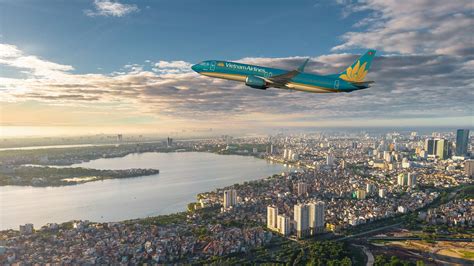
The selection of the Boeing 737-8 aircraft aligns with VNA’s intention to standardize its narrow-body fleet for ease of maintenance and crew training, while maintaining compatibility with existing airport infrastructure. These aircraft are known for fuel efficiency, range versatility, and passenger comfort, making them ideal for high-frequency routes across Asia and beyond.
Modern Fleet Integration: Why the Boeing 737-8 Matters
The Boeing 737-8, part of the 737 MAX family, was a strategic choice for VNA due to its blend of technological innovation and cost-effective operation. With a range of approximately 6,570 km and seating for up to 210 passengers, the aircraft is particularly suited for both domestic trunk routes and medium-haul international services.
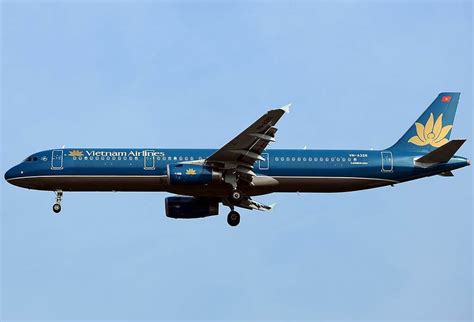
These new aircraft will gradually replace older narrow-body jets such as the Airbus A321CEO, ensuring that the fleet remains young and optimized for modern aviation standards. The improved fuel consumption and lower emissions of the 737-8 are also in line with VNA’s sustainability goals and Vietnam’s broader green aviation initiatives.
Scaling Up: Responding to Rising Demand
Vietnam Airlines has experienced a sharp rebound in travel demand post-pandemic. The resurgence of both domestic tourism and international travel corridors has created an urgent need for more aircraft. The 50-plane order directly responds to this upward trajectory, particularly as Vietnam becomes an increasingly popular business and leisure hub in Southeast Asia.
From major urban centers like Hanoi and Ho Chi Minh City to emerging international routes connecting Tokyo, Seoul, Bangkok, and Sydney, the added capacity will support increased flight frequencies, new route launches, and schedule optimization.
Future-Focused: A Dual-Track Fleet Expansion
While the 50 narrow-body aircraft will elevate short- and medium-haul operations, VNA is also gearing up for wide-body aircraft acquisition. Plans for 20 wide-body aircraft are set to materialize in 2025, specifically targeted at long-haul international markets. These may include upgrades to existing Boeing 787 Dreamliners or new additions such as the Airbus A350, both of which offer high capacity and extended range.
This two-pronged fleet expansion ensures that Vietnam Airlines can effectively serve a full spectrum of travel demand—from regional business routes to transcontinental flights, thereby fortifying its hub strategy and improving interconnectivity.
2028–2030 Acquisitions: Staying Ahead of the Curve
The airline’s leadership is not stopping at 2025. Vietnam Airlines is already preparing for additional acquisitions from 2028 to 2030, which are expected to feature a balanced mix of narrow- and wide-body aircraft. This long-view approach reflects a strategic anticipation of evolving aviation trends, capacity needs, and competitive benchmarks.
In an industry where agility and foresight dictate success, Vietnam Airlines is positioning itself as a forward-leaning carrier capable of adapting to market shifts, regulatory environments, and technological advancements.
Bridging the Gap: Leasing and Engine Flexibility
To mitigate the immediate shortfall in aircraft availability before the arrival of new units, CEO Le Hong Ha confirmed that the airline will continue with dry and wet leasing options. These arrangements allow VNA to scale capacity temporarily, especially during peak holiday periods and high-traffic events.
Moreover, the airline plans to lease aircraft engines as part of its risk mitigation strategy. This ensures that operational disruptions are minimized and that the fleet remains consistently airworthy and efficient. Leasing provides a bridge between current limitations and future capability, granting VNA time to phase out older assets responsibly.
Adjusting the Disposal Timeline: Strategic Retention
From 2021 to 2024, Vietnam Airlines retired five A321CEO units, with a plan to dispose of 32 aircraft by 2025. However, due to delays in the Con Dao Airport upgrade—the operational base for the ATR fleet—the airline is adjusting its disposal timeline.
Instead of phasing out all six ATR72s and additional A321s, the airline will retain twelve aging aircraft through the end of 2025. The Ba Ria–Vung Tau province’s unclear redevelopment timeline has compelled the airline to preserve critical operational routes that would otherwise face disruption.
This adaptive strategy allows the airline to balance modernization with continuity, ensuring that underserved regional destinations remain connected.
Headwinds in the Leasing Market: Rising Costs and Tight Supply
Vietnam Airlines is not immune to the macroeconomic pressures affecting global fleet management. The market for aircraft sales and leasing has tightened significantly, with skyrocketing leasing rates and a limited pool of available aircraft. These economic constraints have further justified VNA’s decision to hold onto certain aircraft rather than release them into a strained market.
By maintaining older airframes slightly longer than planned, VNA can better match supply with passenger demand, especially as it builds up to full operational readiness with new aircraft arrivals over the next 36 months.
Implications for Vietnam’s Aviation Ecosystem
The ripple effects of this expansion go far beyond Vietnam Airlines. The massive investment signals renewed confidence in Vietnam’s economic growth, tourism appeal, and geopolitical importance. The country is steadily becoming a regional aviation hub, and VNA’s leadership in fleet modernization sets a benchmark for other Southeast Asian carriers.
From a policy perspective, the move is likely to catalyze government investments in airport infrastructure, particularly in second-tier cities and island destinations. Con Dao, Phu Quoc, and Da Lat stand to benefit significantly from enhanced air connectivity.
Moreover, the deal reinforces Vietnam’s partnership with global aircraft manufacturers and could pave the way for future aerospace collaborations, maintenance ventures, and supply chain integration.
Conclusion: A Decade of Strategic Takeoff
With its USD 3.6 billion narrow-body aircraft acquisition and long-range fleet roadmap, Vietnam Airlines has charted a clear and ambitious course for the next ten years. It is a decisive move not just to scale operations, but to transform Vietnam Airlines into a 21st-century global carrier with competitive edge, brand strength, and operational resilience.
While challenges remain in procurement logistics and market volatility, VNA’s methodical approach to leasing, disposal, and phased integration highlights its maturity as an airline navigating complexity with confidence. As the regional skies get more crowded, Vietnam Airlines isn’t merely keeping up—it’s setting the benchmark for Southeast Asia’s aviation future.