Understanding the Role of an Aviation Manager
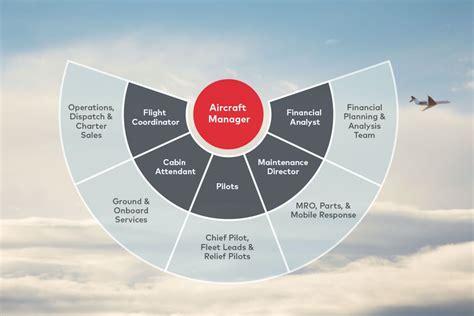
The aviation manager holds a central role in the strategic and operational management of aviation enterprises. From ensuring regulatory compliance to streamlining flight operations, aviation managers act as the command center of the organization, integrating personnel, logistics, and safety measures into a seamless framework. Their influence spans across airport terminals, airline companies, cargo carriers, and aerospace firms.
These professionals are not merely administrators—they are multifaceted leaders entrusted with decision-making power, stakeholder engagement, and crisis resolution. A well-equipped aviation manager must balance aviation law, employee oversight, financial strategy, and customer service simultaneously.
Core Responsibilities of an Aviation Manager
We identify the primary responsibilities of an aviation manager as extending far beyond the confines of a single task. Their role is a complex orchestration of interdepartmental coordination, regulatory compliance, and continuous operational improvement. The following are pivotal aspects of the aviation manager’s job:
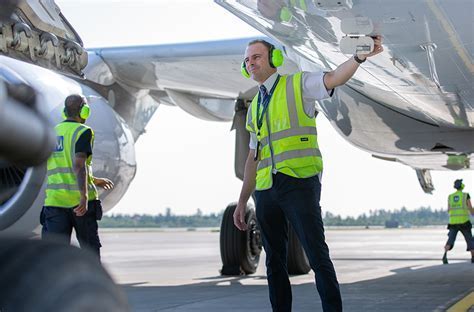
The manager is responsible for ensuring safe, compliant, and efficient operations. This includes verifying that aircraft are maintained in accordance with national and international regulations and that flight schedules are optimized to meet operational demands. When inspection programs are initiated, aviation managers supervise their execution and ensure all documentation—especially maintenance records and service logs—are accurate and up to date.
They also serve as liaisons with regulatory bodies such as Transport Canada, the FAA, and ICAO. This includes reviewing aviation regulations, managing accident report documentation, and initiating appropriate corrective actions when necessary. Weather monitoring, emergency planning, and response preparation are integral to daily operations.
Furthermore, aviation managers are often tasked with:
- Human capital oversight, including recruitment, training, performance management, and termination.
- Budgetary planning, ensuring departments stay within financial limits while achieving operational efficiency.
- Vendor and contract negotiations, maintaining favorable relationships with external service providers and stakeholders.
- Strategic planning, using data-driven insights to enhance performance indicators and meet long-term organizational goals.
Pathway to Becoming an Aviation Manager
To step into this leadership role, professionals must navigate a comprehensive path combining education, practical training, certification, and experience.
1. Formal Education
The journey typically begins with a Bachelor’s degree in Aviation Management, Aeronautics, Aerospace Engineering, or a closely related discipline. These programs integrate essential subjects such as:
- Aerodynamics and flight mechanics
- Aviation law and insurance
- Business finance and economics
- Safety and risk management
- Organizational behavior
For those seeking to expand their credentials, a Master’s degree in Aviation or Business Administration offers deeper specialization in topics like air cargo logistics, global IT management, and policy formulation.
2. Industry Experience
Graduates often begin in entry-level roles such as operations assistant or airline dispatcher, gradually gaining hands-on familiarity with the inner workings of airports or airline hubs. Internships during undergraduate studies provide valuable exposure to aviation protocols and operational workflows.
Aviation managers are expected to have at least two years of supervisory experience before being considered for leadership roles. This on-the-ground training is where candidates refine their conflict resolution skills, develop project management abilities, and gain exposure to aviation safety and quality control procedures.
3. Professional Certification
In Canada, the Canadian Council for Aviation & Aerospace (CCAA) offers a rigorous certification program for future aviation managers. This involves passing an exam that evaluates proficiency in:
- Business and personnel management
- Aviation technical services
- Facilities oversight
- Operational risk analysis
Successful candidates receive a certificate that must be renewed every three years to maintain industry relevance. Certification bolsters a manager’s credibility and signals their preparedness to lead in compliance-sensitive environments.
4. Securing the Position
With qualifications and certifications in place, aspiring aviation managers can apply for roles such as Director of Operations, Terminal Manager, or Ramp Services Supervisor. A strong resume, paired with tailored cover letters and a network within the aviation sector, increases chances of landing competitive roles.
Work Environments and Daily Conditions
Aviation managers typically work full-time schedules, often exceeding 40 hours per week depending on operational demand. Given that airports and airlines function 24/7, managers rotate through day, night, weekend, and holiday shifts, particularly during peak travel seasons or emergencies.
Offices are often located within airport terminals or hangars. Depending on the organization, managers may also travel between multiple locations to oversee satellite operations or inspect infrastructure.

Key Competencies for Aviation Managers
We identify a critical set of core competencies essential to succeed as an aviation manager:
- Communication Skills: Clear communication ensures seamless relay of instructions to pilots, ground crews, and logistics teams.
- Analytical Thinking: Problem-solving under pressure, whether due to delays or mechanical issues, is non-negotiable.
- Interpersonal Skills: Navigating between unions, regulatory agencies, clients, and airline executives requires diplomatic poise.
- Customer Orientation: Ensuring a smooth passenger experience is as crucial as managing the aircraft itself.
- Adaptability: The industry is shaped by weather, geopolitical instability, and technological disruption—agility is key.
- Technical Literacy: Managers must interpret aeronautical charts, maintenance protocols, and scheduling systems with ease.
Earnings and Benefits in Aviation Management
The average annual salary for aviation managers in Canada hovers around $60,883, but this figure fluctuates based on seniority, geographic location, and the size of the employer. Professionals managing large commercial terminals or international carriers may earn well into six figures, especially when overseeing multiple departments.
Beyond salary, aviation managers often enjoy:
- Health and dental insurance
- Paid vacation and personal leave
- Performance bonuses
- Pension plans or retirement contributions
These perks reflect the strategic importance of the position within aviation firms, where efficiency and safety depend heavily on the manager’s competence.
Industry Outlook and Long-Term Growth
The aviation industry, post-pandemic, is experiencing a strong resurgence in global passenger and cargo demand. With increasing complexity in airspace traffic management, sustainability regulations, and digital transformation, the demand for highly skilled aviation managers is rising.
Furthermore, the expansion of smart airports, integration of AI-based operational tools, and green aviation initiatives are creating new challenges—and opportunities—for those in managerial roles.
Aspiring aviation managers who invest in lifelong learning, embrace cross-functional collaboration, and demonstrate a results-driven mindset will be best positioned to navigate the sector’s evolving landscape.
FAQs
What is the difference between an aviation manager and an airport manager?
While the roles may overlap, aviation managers have a broader scope that includes overseeing airline operations, maintenance teams, and fleet logistics, while airport managers focus more specifically on terminal operations, runway management, and passenger services within a specific airport facility.
Is a degree mandatory to become an aviation manager?
In most cases, yes. Employers typically require at least a Bachelor’s degree in aviation management or a related field. However, extensive experience in aviation operations combined with certifications can sometimes substitute for formal education.
What are the top industries that hire aviation managers?
Aviation managers are hired by commercial airlines, airport authorities, government aviation bodies, cargo logistics firms, and aerospace engineering companies. The specific responsibilities may vary, but the core skills remain in high demand across all sectors.