Navigating the Competitive Landscape of 1000 Hour Pilot Jobs
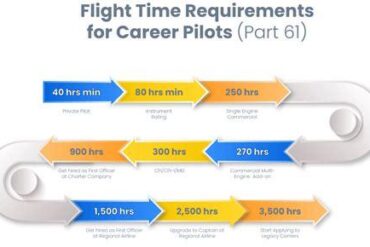
Securing a 1000 hour pilot job marks a significant milestone in an aviator’s career. At this stage, pilots transition from low-time flying roles into positions that offer greater responsibility, better pay, and more extensive operational experience. Understanding where these opportunities lie and how to secure them is crucial for pilots aiming to build a long-term aviation career.
The aviation industry places great value on pilots who have surpassed the 1000-hour mark, considering it a fundamental threshold of proficiency and safety. Employers view these pilots as reliable professionals who have encountered a wide range of flight scenarios. Consequently, pilots at this level often find themselves eligible for roles in air ambulance services, corporate aviation, test pilot programs, and regional airlines.

High-Demand Opportunities for 1000-Hour Pilots
Among the most accessible sectors for 1000-hour pilots are air ambulance services. Organizations like STAT Air Ambulance Cooperative and Air Methods seek pilots with substantial experience to handle the complexities of emergency medical operations. These roles not only require strong technical flying skills but also the ability to operate under pressure, often in adverse weather and challenging landing conditions.
Corporate aviation is another avenue where 1000-hour pilots are in demand. Companies such as JetPro Pilots offer positions flying high-end business jets like Gulfstream 550/650s. Corporate flight departments value discretion, flexibility, and technical precision, all qualities honed through extensive flight experience.
Test pilot roles, offered by organizations such as Scaled Composites and General Atomics, demand an elite skill set. Pilots in these positions engage in flight testing experimental aircraft, requiring not just flight hours but a deep understanding of aerodynamics, engineering, and risk management.

Salary Expectations and Benefits
Salaries for 1000-hour pilot jobs vary widely depending on the role and employer. For instance, air ambulance pilots at Northeast Montana STAT Air Ambulance Cooperative can expect to earn between $120,000 and $160,000 annually, complemented by benefits such as referral programs, parental leave, and 401(k) matching.
Meanwhile, test pilots at General Atomics can command between $140,940 and $252,293 per year, reflecting the specialized nature and inherent risks of the role. Corporate pilots flying for companies like Halliburton or JetPro Pilots can negotiate attractive compensation packages, though some may vary based on flying hours, route demands, and company size.
Key benefits across these jobs typically include:
- Health insurance and vision plans
- Paid time off and flexible schedules
- Relocation assistance
- Tuition reimbursement and professional development support

Essential Qualifications for 1000-Hour Pilot Roles
While crossing the 1000-hour threshold is crucial, qualifications extend beyond hours alone. Companies often seek pilots with:
- Multi-Engine Commercial Certification
- Instrument Flight Rules (IFR) proficiency
- Experience under Part 135 and Part 141 operations
- Specialty endorsements such as night flying, mountain flying, or type ratings for specific aircraft
For roles like Chief Flight Instructor at S3, Inc., additional requirements include at least 400 hours of Certified Flight Instructor (CFI) time, extensive regulatory knowledge, and operational leadership experience.

Key Employers Hiring 1000-Hour Pilots
Several industry leaders are consistently seeking 1000-hour pilots. Some noteworthy employers include:
- Air Methods: Specializing in air medical transport, requiring precision and calm under pressure.
- Life Flight Network: Offering roles in fixed-wing emergency transport, highly competitive salaries, and full benefits.
- General Atomics: Hiring test pilots to advance unmanned and experimental aviation technologies.
- JetPro Pilots: Placing pilots in corporate and private aviation positions nationwide.
- Skyryse: Focused on urban air mobility and autonomous flight testing, demanding technical excellence.
Each of these employers presents unique opportunities for pilots looking to diversify and strengthen their aviation careers.

The Path Forward After 1000 Hours
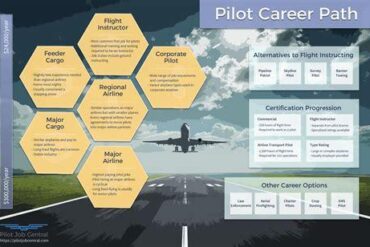
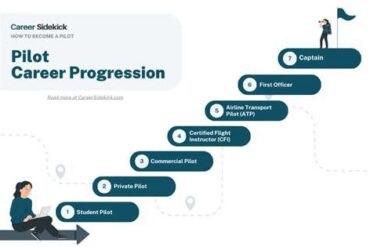
For pilots reaching 1000 hours, the path forward involves strategic career planning. Pilots should consider their long-term aviation goals — whether aiming for major airlines, corporate careers, or specialized sectors like flight testing or emergency services.
Many pilots leverage 1000-hour roles to build multi-engine turbine time, an essential criterion for transitioning to major airlines. Others use these opportunities to specialize in niche markets, securing roles with lucrative salaries and exceptional lifestyle benefits.
Networking remains a powerful tool. Establishing professional connections through aviation associations, online pilot communities, and direct employer relationships can open doors to premier opportunities. Moreover, continuous education — whether obtaining an ATP (Airline Transport Pilot) certificate or additional type ratings — significantly enhances employability.
Challenges in Securing 1000-Hour Pilot Jobs
Despite the demand, competition can be fierce. Pilots must present a polished, professional resume, demonstrate impeccable safety records, and often pass rigorous technical interviews and flight evaluations. Some roles, particularly in test piloting or specialized instruction, may also require security clearances or extensive background checks.
Adaptability remains key. Employers appreciate pilots who demonstrate versatility, excellent judgment, and leadership capabilities. Pilots willing to relocate or work unconventional schedules also position themselves advantageously in this competitive market.

Conclusion: Building a Successful Aviation Career Beyond 1000 Hours
Achieving 1000 flight hours is a gateway to the next chapter of a pilot’s career. With roles spanning air ambulance services, corporate aviation, flight instruction leadership, and experimental test piloting, the opportunities are as diverse as they are rewarding. By strategically selecting positions, continuing professional development, and maintaining high operational standards, pilots can navigate toward fulfilling and lucrative aviation careers.
As the industry evolves — embracing technologies like urban air mobility and unmanned aerial systems — pilots who reach this career milestone today stand poised to become the aviation leaders of tomorrow.