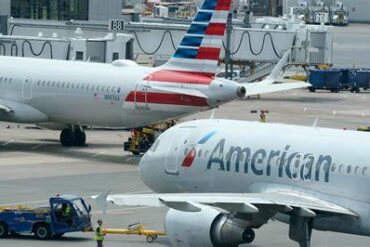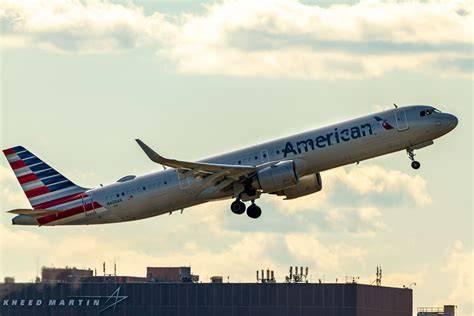
American Airlines will return to the John F. Kennedy International Airport (JFK) toSeattle-Tacoma International Airport (SEA) market on April 6, 2027, operating two daily round-trip flights with the Airbus A321neo. The relaunch restores a nonstop connection American last flew in July 2019, placing the carrier back into one of the most contested transcontinental corridors in the United States. The aircraft will be configured with 196 seats, including 20 in First Class, but it will not offer lie-flat business-class seating, a separate Premium Economy cabin, or seatback entertainment screens. Power outlets and USB ports will be available at every seat.
The comeback carries unusual weight because of how far American’s position eroded. According to market data cited by aviation publication Deep Arrival, American’s share of the nonstop JFK–Seattle market fell from 14.6% in 2018 to just 0.6% in the 12 months ending June 2026. Those figures measure American’s slice of this specific airport pair, not its overall share of passengers at JFK, and they cover different reporting periods. They should not be read as a direct measure of the airline’s current share of all New York–Seattle travel. Even with those caveats, the trajectory is stark: a carrier that once held a meaningful presence on the route effectively disappeared from it.
A Lost Position In A Major Transcontinental Market Comes Back
American’s scheduled return restores nonstop service between two major metropolitan areas after an absence of nearly eight years. The airline last operated JFK–Seattle until July 2019, according to AeroRoutes, leaving other carriers to serve the market while American’s customers increasingly had to consider alternative airports, connecting itineraries, or competitors for a direct flight. For travelers, the new schedule adds another nonstop option and gives American the ability to compete directly for passengers flying between New York and the Pacific Northwest.
The scale of the traffic involved explains why the market matters. Deep Arrival, citing US Department of Transportation data, reports that 691,655 passengers traveled between JFK and Seattle during the latest 12-month period, with nonstop flights accounting for 98.5% of that traffic. That figure is the single most telling number in the entire story. When nearly every passenger in an airport pair chooses a direct itinerary over a connection through a hub, the carrier holding the nonstop holds the market. American spent seven years on the outside of that dynamic.
For American, returning with two daily flights provides a more credible presence than a token seasonal operation would. It creates multiple departure options and lets the airline compete for business and leisure travelers whose schedules may not align with a single daily service. A single frequency makes a route a fallback choice; a double-daily schedule makes it a viable standing option for corporate travel planners and repeat flyers.
Restoring service, however, does not guarantee a return to the share American held in 2018. Customers who shifted to competitors may have accumulated loyalty benefits, preferred departure times, or corporate travel arrangements during the intervening years. American will need to offer a schedule, fare structure, and onboard product that persuade travelers to reconsider existing choices. The relaunch gives the airline market access again; winning back passengers will depend on how effectively it uses that access.
The A321neo Delivers Capacity Without A Premium Long-Haul Cabin
American plans to use the A321neo on the route, with 20 First Class seats alongside Main Cabin Extra and standard economy seating. The configuration is designed to provide a differentiated domestic product without the expense or weight of a dedicated lie-flat business-class cabin. Travelers will have access to a larger premium-economy-style seat within the front cabin and extra-legroom economy options, but the aircraft will not offer international-style business class, a separate Premium Economy cabin, or seatback entertainment screens.
The layout splits the cabin into three tiers that clearly prioritize volume over long-haul luxury:
- First Class: 20 seats
- Main Cabin Extra: 35 seats
- Main Cabin economy: 135 seats
This reflects a practical choice for a long domestic route. New York–Seattle is a transcontinental journey, but it does not match a long-haul international flight, where lie-flat seats and multiple premium cabins can generate substantial revenue. American can deploy a single-aisle aircraft with a meaningful First Class section while retaining a large economy cabin for leisure travelers and price-conscious customers. The A321neo also offers more seats than smaller narrowbodies, allowing the airline to serve the market without committing a widebody aircraft to it.
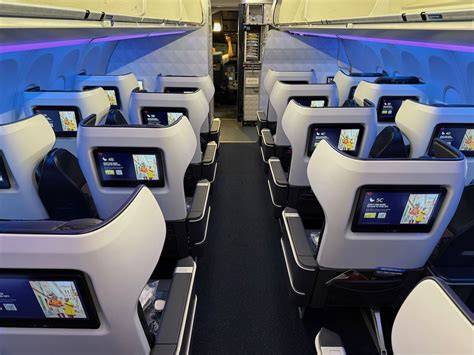
The trade-off is that passengers comparing premium products may find American’s offering less attractive than a flight with lie-flat seats, particularly on evening departures or journeys where rest matters. The absence of seatback entertainment may also influence travelers who prefer a built-in screen rather than relying on personal devices. Those limitations don’t make the aircraft unsuitable for the route, but they mean American must compete on schedule convenience, pricing, loyalty benefits, and the quality of its First Class service. The A321neo gives American a flexible platform for the relaunch, but the cabin alone is unlikely to restore market share.
Two Daily Flights Build Useful Schedule Choices Throughout The Day
The published schedule gives travelers a morning departure from New York and a late-afternoon option. Two daily round trips are commercially more useful than serving the route once a day because they give customers a choice of departure windows. The morning flight from New York suits travelers who want most of the day in Seattle after landing, while the evening departure may appeal to passengers finishing work or connecting from earlier activities in the region. On the return journey, daytime and late-night flights accommodate different trip lengths and preferences.
The timetable lays out four daily rotations that extend the useful day on both ends of the route:
- AA437: JFK to SEA, departing 7:45 AM, arriving 11:20 AM
- AA1389: JFK to SEA, departing 5:29 PM, arriving 9:12 PM
- AA342: SEA to JFK, departing 11:33 AM, arriving 8:10 PM
- AA1306: SEA to JFK, departing 8:38 PM, arriving 7:02 AM the following morning
Corporate travel planners often value flexibility when booking employees across a large network. A second daily frequency can make a route easier to incorporate into a business itinerary and may reduce the pressure to choose a competitor simply because its departure time fits better. For leisure travelers, more options can help coordinate hotel check-ins, event schedules, and onward ground transportation.
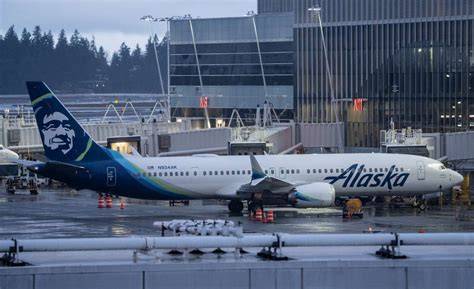
Still, two daily flights do not establish market leadership. Other airlines already have customer relationships and established services, and their departure times may be more convenient for particular travelers. American will also need to maintain operational reliability on a route where delays can affect both ends of a long transcontinental rotation. A late departure from JFK ripples into the return leg from Seattle, and consistency is the only way the service becomes part of a business traveler’s regular routine rather than an occasional experiment.
The Bozeman Shift Shows How JFK Creates More Scheduling Flexibility
The Seattle relaunch is part of a broader adjustment to American’s New York network. From June 18, 2027, the airline plans to move its seasonal nonstop service to Bozeman Yellowstone International Airport (BZN) from LaGuardia (LGA) to JFK. The route will operate four times weekly on Mondays, Wednesdays, Fridays, and Saturdays, using a Boeing 737-800. The previous LaGuardia service operated only once weekly.
The change is not simply a premium upgrade or an attempt to attract a different type of traveler. LaGuardia’s perimeter rule generally restricts nonstop flights to destinations more than 1,500 miles (2,414 km) away, except on Saturdays. Bozeman is beyond that distance, so the restriction limits the days on which American can operate the nonstop from LaGuardia. Moving the flight to JFK removes that particular scheduling constraint, allowing American to offer four weekly departures instead of one.
For travelers, the extra frequency can make a seasonal route substantially more practical. A Saturday-only flight forces visitors to plan around a narrow schedule, while four departures per week offer more flexibility for shorter stays, longer vacations, and different return dates. The change also places the service within American’s JFK operation, where it can sit alongside other leisure and transcontinental routes. In short, JFK gives American greater freedom to schedule a route that cannot operate on most days from LaGuardia.

Route Additions Arrive Alongside A More Selective Growth Strategy
American’s New York additions are arriving as it reduces capacity elsewhere. The airline plans to end some routes in the network, including multiple out of Miami International Airport (MIA), as reported by AirlineGeeks. American has described the changes as targeted actions to strengthen the airline and said it will moderate planned growth next summer while continuing to focus on reliability, its product, and destinations customers value. The airline has not publicly assigned a specific reason for each individual route cancellation.
That context helps explain why a new transcontinental route shouldn’t automatically be read as broad expansion. Airlines routinely shift aircraft and frequencies between markets as demand, costs, and revenue opportunities change. Fuel prices naturally add pressure to these decisions. Reuters reported in September 2026 that American and other US carriers were adjusting capacity plans after a sharp rise in fuel expenses, with American warning that higher costs could affect its schedule. Fuel is only one factor in route profitability, which also depends on labor, airport charges, aircraft utilization, demand, and achievable fares. Nevertheless, elevated fuel costs make it harder to sustain routes that cannot generate enough revenue to cover operating costs.
The JFK–Seattle relaunch may therefore represent a targeted attempt to reclaim a market where American sees sufficient opportunity, while reductions elsewhere help limit less productive flying. The airline has not disclosed route-level profitability forecasts or said the Seattle addition directly replaces any canceled services. It would be speculative to treat the decisions as a one-for-one exchange. The combined schedule shows a preference for evaluating routes individually, balancing new opportunities against the need to control costs and use aircraft efficiently.
Winning Back Passenger Share Will Require More Than A Relaunch
American’s return to JFK–Seattle restores a direct option and gives the airline two daily opportunities to compete in a market where its reported share has fallen sharply. The A321neo offers an efficiently sized aircraft with a dedicated First Class cabin, while the published schedule provides useful options throughout the day. The Bozeman move further demonstrates how JFK can support routes that are difficult to operate frequently from LaGuardia.
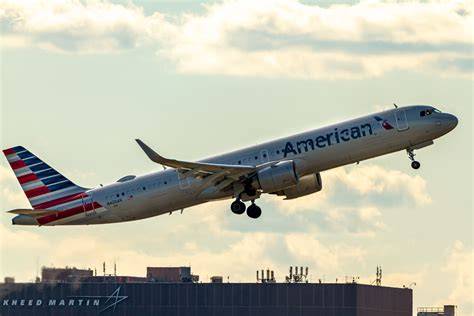
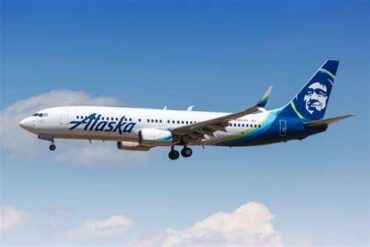
The more significant test begins after the flights launch. American will need to attract customers who have spent years choosing other carriers, build awareness of the reinstated service, and sustain fares that cover the cost of operating two daily round trips. Its partnership with Alaska Airlines may provide useful connectivity and commercial opportunities, given Alaska’s deep presence in Seattle, but the extent of any benefit will depend on the schedules, arrangements, and customer demand that emerge.
Longer-term measures of success will not simply focus on whether the route remains on the schedule, but rather whether American can turn its restored presence into durable demand without sacrificing reliability or profitability. If it can, JFK–Seattle could become a meaningful part of its New York strategy. If not, the decline from 14.6% to 0.6% will remain a reminder that once passengers shift their habits, returning to a market is only the first step toward winning them back.