The Boeing 777-200ER occupies a strange and enviable place in commercial aviation. It is old enough to have flown passengers who now book tickets for it out of pure nostalgia, yet young enough that its airframes still carry brand-new cabin products across the Atlantic every night. When Boeing launched the extended-range variant in the late 1990s, the goal was simple: stretch the range of the baseline 777-200 far enough to connect Europe with the West Coast of the United States and Asia with Australia without stopping for fuel. The result was an aircraft that airlines could not stop buying. For more than a decade, the 777-200ER was the default choice for any carrier that needed a widebody with serious cargo capacity, genuine long-haul legs, and the economics of a twin-engine jet.
Two and a half decades later, the composite Boeing 787 and the Airbus A350 dominate order books, and every major airline talks about fleet renewal in terms of fuel burn per seat and sustainability targets. Yet the 777-200ER has refused to fade quietly. More than 20 airlines still keep the classic 777-200 and its extended-range sibling in some form of active service, with the vast majority relying exclusively on the -200ER. Only a handful of carriers continue to fly the original baseline 777-200, and only one major airline does so in meaningful numbers. The seven operators profiled below represent the most consequential remaining fleets, defined not by sentiment but by payload, dispatch reliability, and the stubborn fact that no modern aircraft has fully replicated the -200ER’s combination of capacity and mission flexibility.
Thai Airways: Three Airframes Holding the Bangkok Hub Together
Thai Airways keeps just three 777-200ERs on strength, a fleet so small it functions almost like a dedicated tool rather than a core type. Operating from Bangkok Suvarnabhumi Airport, these aircraft slot into high-demand regional and intercontinental corridors where a widebody is essential but a four-engine jet or a larger 777-300ER would oversupply the market. The airline configures the type in a two-class layout seating 292 passengers, with an upgraded Royal Silk business class offering enhanced personal space and a well-appointed economy cabin built for medium-to-long sectors.
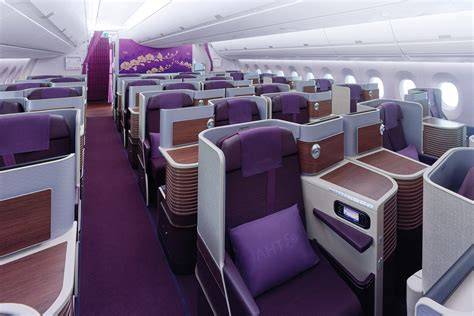
The value of three airframes is less about scale than about schedule integrity. Thai Airways absorbs seasonal demand swings across its network, and the 777-200ER provides a known quantity: predictable payload, proven engines, and a maintenance baseline the airline understands intimately. Even as newer widebodies arrive, these three jets continue to earn their place by covering routes that demand capacity without demanding a flagship.
Austrian Airlines: Six Jets and the Vienna Long-Haul Spine
Austrian Airlines operates six 777-200ERs, making the type the largest passenger aircraft in its active fleet. From Vienna International Airport, the carrier deploys them on high-density long-haul routes where both seat count and cargo volume matter to the bottom line. The interior runs a three-class configuration accommodating roughly 330 passengers, combining established business class, a dedicated premium economy cabin, and economy seating tuned for transatlantic and long-range leisure flying.
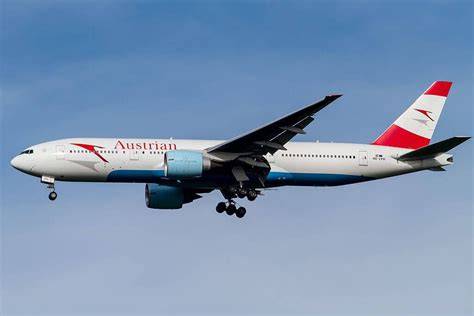
Austrian’s 787 Dreamliners are arriving gradually, but the 777-200ER remains indispensable for bridging capacity gaps on routes to major global economic and cultural centers. The aircraft’s performance profile is the quiet advantage here: on a winter transatlantic sector with heavy cargo, the -200ER delivers payload flexibility that smaller twins cannot match, which keeps Vienna’s network breadth intact while the fleet modernizes around it.
Asiana Airlines: Eight Airframes Anchoring Korean Connectivity
Asiana Airlines maintains eight 777-200ERs as a focused sub-fleet supporting trunk routes across Asia and selected long-haul sectors. The South Korean carrier configures them in a two-class layout seating between 300 and 302 passengers, with lie-flat business class in a structured arrangement and an economy cabin laid out in a 3-3-3 configuration that maximizes seat count without collapsing personal space. The aircraft’s dispatch reliability has proven particularly valuable during a period of complex corporate transition and fleet harmonization in the region.
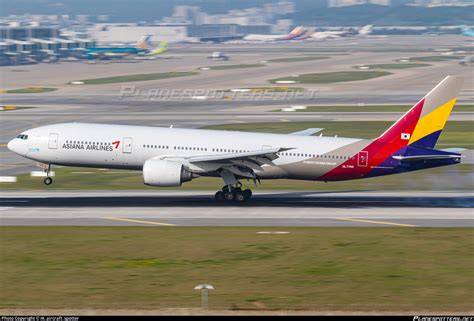
The 777-200ER’s ability to absorb high-density passenger flows makes it essential to seamless connectivity across East Asian hubs, where demand can spike sharply on short notice. Asiana’s eight aircraft are not a legacy curiosity; they are the operational glue that keeps widebody capacity consistent while the airline’s ownership and network strategy evolve.
Air France: Eighteen Aircraft and the CDG Intercontinental Backbone
Air France fields eighteen 777-200ERs from Paris Charles de Gaulle Airport, deploying them on intercontinental routes where passenger numbers and cargo demand justify a proven high-capacity platform. The cabin runs a three-class layout totaling 328 seats: 28 business-class pods, 32 premium economy seats with enhanced legroom, and 268 economy seats equipped with modern inflight entertainment. That configuration reflects a deliberate choice to keep the aircraft passenger-competitive rather than treat it as a stopgap.
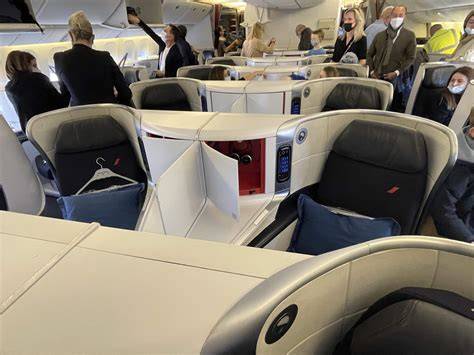
The enduring presence of the -200ER in the Air France fleet is the clearest evidence of the type’s design longevity. By pairing reliable airframes with contemporary cabin retrofits, the airline delivers top-tier French hospitality regardless of whether a passenger boards a new flagship or a seasoned Triple Seven. Eighteen aircraft is a meaningful commitment, and it signals that the carrier sees years of useful life remaining.
British Airways: Forty-Three Jets Built on a Founding Partnership
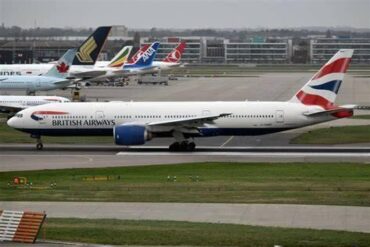
British Airways holds a unique place in the 777 program, having collaborated with Boeing during the aircraft’s initial design and development. Today the carrier operates 43 777-200ERs, based primarily at London Heathrow and London Gatwick, configuring them in flexible three- or four-class layouts accommodating up to 336 passengers. From First Class suites and Club World flat beds to World Traveller Plus and World Traveller cabins, the product stays consistent across the widebody network.
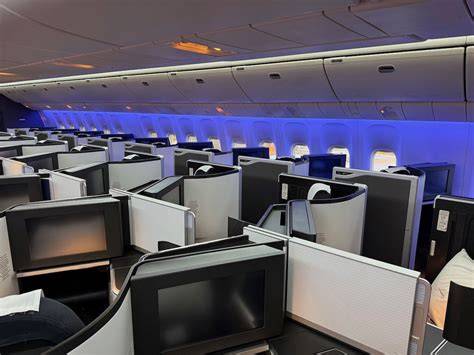
BA’s renewal roadmap is already set: Gatwick-based 777-200ERs will begin giving way to Boeing 787-10 Dreamliners around 2029. Until then, the dependable twinjets remain fundamental to maintaining one of the densest global schedules in the industry, filling long-haul frequencies that no competitor can replicate at short notice.
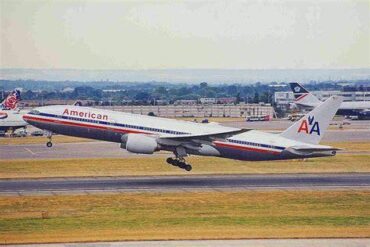
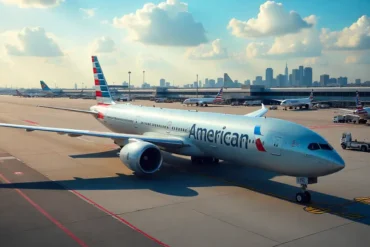
American Airlines: Forty-Seven Aircraft in a Single Standardized Layout
American Airlines operates 47 777-200ERs, making it the world’s second-largest operator of the type. These widebodies connect the carrier’s domestic hub network with high-volume transatlantic and Latin American routes. Every one of the 47 airframes carries the same 273-seat, three-class configuration, a standardization strategy that streamlines crew training, maintenance scheduling, and passenger expectations whether the aircraft flies a transcontinental tag or an overnight European jump.
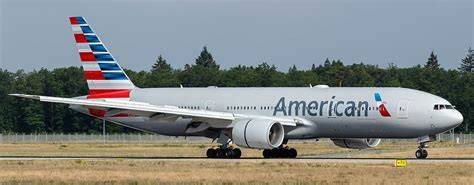
Unlike carriers rushing to retire older widebodies, American has no near-term retirement plans for the fleet. Management is actively evaluating comprehensive cabin upgrades to modernize interior hardware, a decision that would extend the aircraft’s competitive life well into the next decade. Standardization plus longevity makes the -200ER one of American’s most efficient assets to operate.
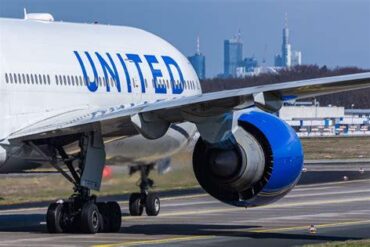
United Airlines: Seventy-Four Jets and the Launch Customer’s Legacy
United Airlines is the launch customer for the entire 777 program, having taken delivery of the first airframes in the mid-1990s. As of 2026, it flies 74 Triple Sevens in total: roughly 19 baseline 777-200s alongside 55 extended-range -200ERs. The airline is one of only two major global carriers still flying the original non-extended-range variant in meaningful numbers, a distinction that makes its fleet something of a living museum piece.
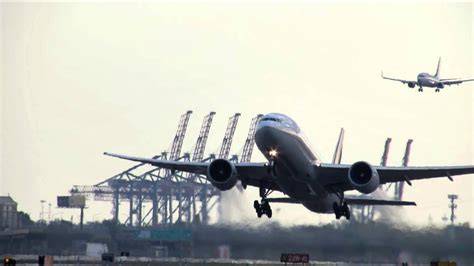
The age of United’s fleet is remarkable. The oldest active Boeing 777 in commercial service worldwide is United’s N774UA, which has logged more than three decades of continuous frontline operation. Baseline models average around 28.5 years, while the -200ERs average roughly 25.8 years, and United’s mid-2026 strategy keeps all 96 of its total 777 airframes active through the end of the year. Longer term, the airline plans to phase out its original 777-200s and select domestic -200ERs, with 787-10 Dreamliners slated as successors.
Why the -200ER Still Matters in a Composite World
The persistence of these seven fleets is not nostalgia; it is arithmetic. The 777-200ER carries roughly 300 passengers in a two-class layout or around 270 in three classes, flies 7,000 nautical miles with a full payload, and hauls freight that modern twin-aisle competitors often cannot match on the same sector. Its GE90 or Trent 800 engines are well understood by maintenance organizations, its airframe has a mature and affordable parts ecosystem, and its dispatch reliability remains among the best in commercial aviation.
That is why airlines like American and United keep spending on cabins rather than parking airframes early. A refurbished 777-200ER with modern seats, inflight connectivity, and updated lighting is still a competitive long-haul product on dense routes. The aircraft will not outlast the 787, and the 777X will eventually inherit its mission, but in 2026 these seven carriers are proving that the extended-range Triple Seven has at least one more chapter left in the sky.