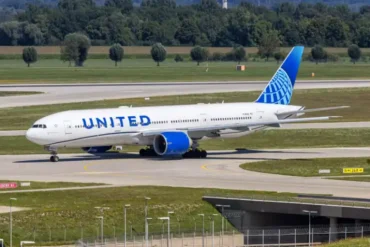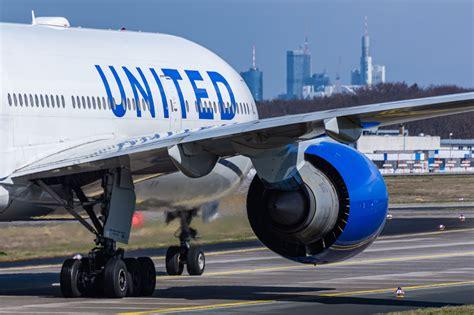
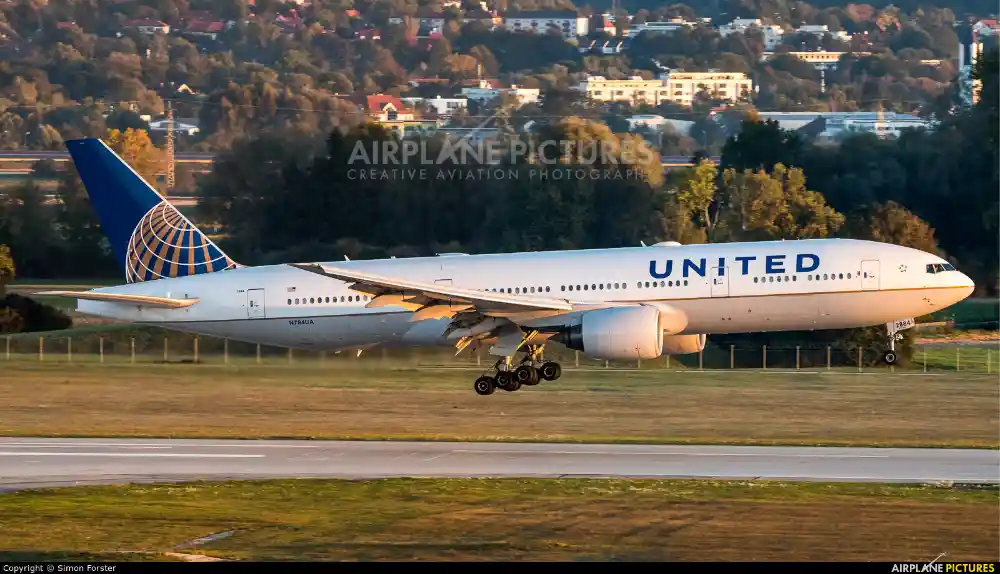
United Airlines maintains the world’s largest Boeing 777-200ER fleet, a position that reflects decades of long-haul strategy, network growth, and a commitment to aircraft that blend capacity, range, and efficiency. In an era where new-generation fuel-efficient jets dominate order books, the 777-200ER remains a central pillar of United’s international operations. Its longevity underscores both the type’s engineering durability and United’s ability to extend the economic life of a mature widebody fleet. As long-range travel continues to evolve, this aircraft holds a defining place in United’s global footprint.
United Airlines’ Role as the Largest 777-200ER Operator
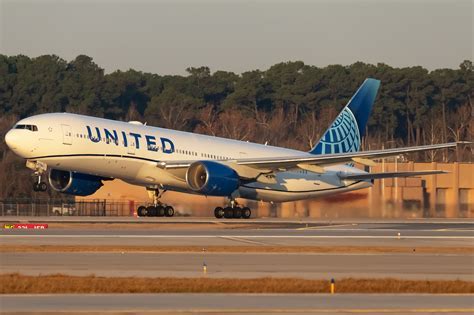
United’s deep connection with the 777 family began in the mid-1990s, and its reliance on the 777-200ER solidified over the years as the jet proved indispensable for transoceanic missions. Today, the airline operates 55 Boeing 777-200ERs, more than any other carrier worldwide. Each aircraft represents a chapter in United’s long-haul expansion, with missions stretching across Europe, Asia, Oceania, and high-density domestic routes.
United’s fleet spans a wide age range, with the youngest 777-200ER crossing the 15-year mark and the oldest pushing nearly three decades. These jets were either delivered directly to United or inherited from Continental Airlines, creating a unified fleet lineage. The Continental-origin aircraft, while marginally younger, share the same structural and cabin lineage that has allowed the airline to optimize maintenance and reliability programs across the entire 777-200ER platform.
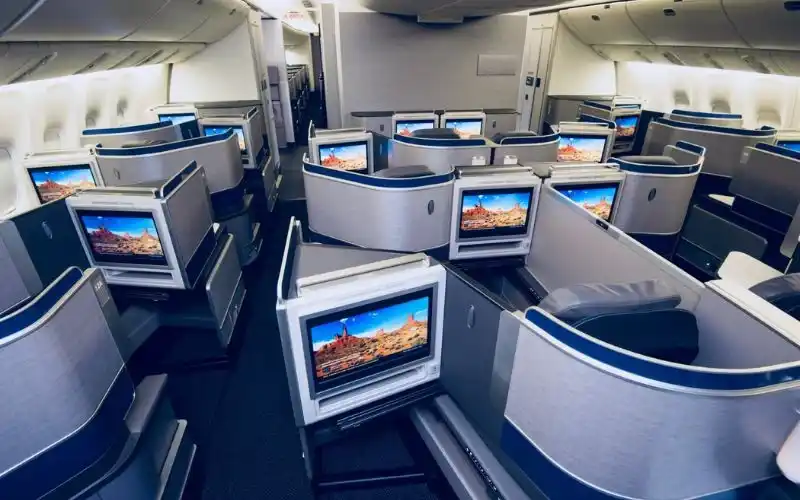
Despite their longevity, these aircraft continue to serve as essential assets. They operate in two primary cabin layouts: a 276-seat international configuration and a 364-seat high-density domestic layout used for premium U.S. transcontinental and Hawaii routes. The international cabin features 50 business-class seats, 24 premium-economy seats, and 202 economy seats, forming a product aligned closely with the carrier’s global competitors.
Aging Aircraft and the Countdown to Retirement
United’s 777-200ERs are approaching the latter phase of their service lives, and retirement timelines have been a subject of close industry watch. Data suggests most of the fleet could be retired by December 2027, though operational reality is far more complex. The upcoming retirements depend heavily on the delivery pace of replacement aircraft, a process already impacted by delays across both Boeing and Airbus programs.
United’s CEO Scott Kirby has confirmed that large-scale replacement of the 777-200ER fleet will not begin in earnest until the end of the decade. This statement underscores how critical the aircraft remains in United’s long-haul and domestic high-capacity strategy, even as engineering life cycles move toward their natural limits.
Understanding the Boeing 777-200ER’s Enduring Value
The Boeing 777-200ER first entered service in 1997, just two years after the debut of the original 777-200. This “Extended Range” variant was engineered to solve a key operational need: flying farther with heavier payloads while maintaining excellent fuel performance. Its maximum takeoff weight of 656,000 lb enabled the aircraft to reach up to 8,130 miles, opening routes previously out of reach without sacrificing passenger or cargo capacity.
In most physical aspects, the 777-200 and 777-200ER share identical dimensions: 209 ft in length, a height of about 61 ft, and a wingspan just under 200 ft. The differences live under the skin: expanded fuel volume, structural reinforcement, and performance flexibility. These upgrades gave airlines a practical and reliable long-range asset that fit between aging quad-jets like the 747 and smaller twins like the 767.
For United, the 777-200ER became the ideal tool for missions demanding widebody capacity without the operational costs of larger aircraft. It proved capable across a broad range of global geography, from premium-heavy transatlantic markets to long-thin Pacific routes and high-density domestic corridors.
The Broader 777 Family and Its Evolution
To fully understand the role of the 777-200ER, it helps to consider its place in the wider 777 family. The type sits between the original 777-200 and the ultra-long-range 777-200LR and just below the larger-capacity 777-300 and 777-300ER. The introduction of the 777-300ER in 2004 reshaped global fleets as it delivered extended range with substantially more seats, ultimately becoming the best-selling 777 variant.
The 777-200ER retained strong demand over time due to its unique blend of range and mid-size capacity. It was neither the largest nor the longest-range variant, yet it excelled in balanced mission versatility, which explains why more than 420 units were ordered—far surpassing the original 777-200.
Replacement Aircraft and the Future of United’s Widebody Strategy
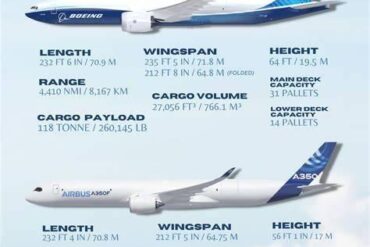
The long-term future of United’s international fleet architecture is tied closely to the fate of the Boeing 787 Dreamliner family and the airline’s long-delayed Airbus A350-900 order. Current public fleet planning indicates that the 777-200ER is slated to be replaced primarily by the A350-900, though this position is anything but definitive.
United’s relationship with the A350 has been marked by uncertainty. The airline first ordered the model in 2009, later switching to the A350-1000 before reverting back to the A350-900 and eventually increasing the order to 45 aircraft. Yet delivery dates have repeatedly slipped. Originally expected in 2022, United now does not plan to receive its first A350 until 2030 or later, leaving many industry analysts skeptical that the order will ever fully materialize.
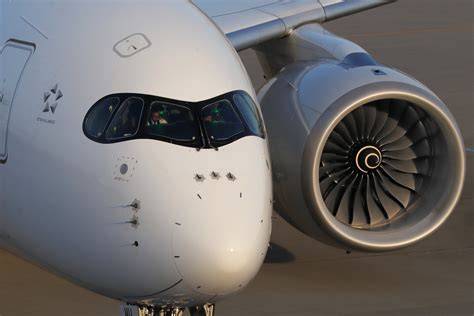
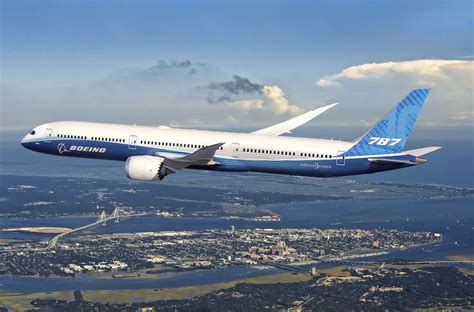
United’s rapid expansion of its Boeing 787 fleet complicates the scenario further. The airline already operates 787-8, 787-9, and 787-10 aircraft and holds over 140 more 787-9s on order. The scale of this commitment suggests a powerful incentive to streamline the widebody fleet around the Dreamliner platform. Adding a new type like the A350 could introduce significant training, maintenance, and operational complexity—factors United has openly acknowledged.
The four high-density domestic-configured 777-200ERs, along with 19 original 777-200s, are poised to be replaced by the Boeing 787-10, the highest-capacity Dreamliner. Meanwhile, United continues to refresh its long-haul structure by ordering additional 787-9s to replace the Boeing 767 and transitioning the venerable 757 to the Airbus A321XLR.
United Airlines and the A350: A Complicated History
United’s indecision surrounding the A350 reflects broader strategic pressures. The twin-engine widebody sector is dominated by the 787 and A350—both efficient, quiet, and long-ranged. The A350 offers advantages in fuel burn and cabin comfort, yet the cost of introducing a new aircraft type presents significant hurdles for a carrier already invested heavily in Dreamliner infrastructure.
United’s leadership has repeatedly hinted that the massive 787 fleet simplifies pilot deployment, maintenance scheduling, and overall network resilience. Adding the A350 would alter this dynamic. These operational realities are a major reason why United continues to postpone A350 deliveries and leave open the possibility of replacing the entire 777 fleet with Dreamliners.
The Boeing 777-200ER’s Legacy Within United Airlines
The 777-200ER has shaped modern United Airlines operations more than perhaps any other aircraft type. It bridged the gap between older long-haul jets and the new era of fuel-efficient twins, serving as the backbone of United’s global expansion during the late 1990s and early 2000s. Even today, despite its age, the aircraft remains pivotal. Its robust performance record allows United to deploy it confidently on demanding missions while newer aircraft assume roles with even greater efficiency.
The final retirement of the 777-200ER will close a major chapter in U.S. aviation history. Yet the aircraft’s enduring service demonstrates the staying power of well-engineered platforms and the strategic value of incremental fleet renewal. As new aircraft begin to arrive near the decade’s end, the transition will gradually reshape United’s global network. But the legacy of the 777-200ER—its reliability, versatility, and sheer operational impact—will continue to influence the airline long after the final airframe leaves active service.
The ongoing story of United’s 777-200ER fleet captures the balance airlines must strike between heritage and innovation, between maximizing asset value and preparing for the future. It represents a turning point not just for United Airlines, but for the broader evolution of the long-range twin-engine widebody era.