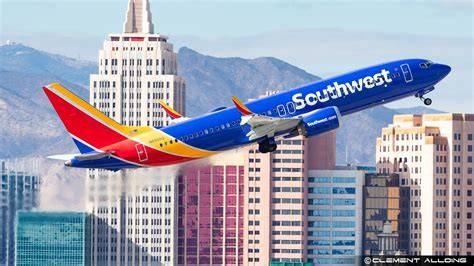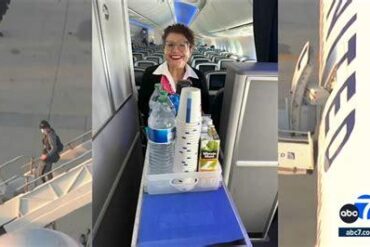
Lisa Diane Patterson’s years of flying Southwest Airlines cabins with cats and dogs aboard ended in a federal courthouse, where the flight attendant now alleges the carrier chose to protect its pet policy over her health. In Patterson v. Southwest Airlines Co., the veteran crew member claims Southwest violated the Americans with Disabilities Act by refusing to meaningfully accommodate a severe animal allergy, leaving her with a brutal choice between a paycheck and her own wellbeing. The suit, first reported by HR Dive, portrays a company that acknowledged her medical condition yet declined to adjust even the smallest operational details to keep her safe.
The Impossible Choice Southwest Allegedly Offered Its Flight Attendant
According to the complaint, when Patterson was scheduled on a flight with animals in the cabin, Southwest presented her with two options only: go home without pay, or work the trip and hope a colleague would voluntarily swap shifts at the last minute. Colleagues rarely agreed, the lawsuit states, which meant Patterson frequently lost income simply to avoid an allergic reaction. When she chose to attempt the flight anyway, she allegedly suffered illness for the duration of the journey, with symptoms intensifying as pets sat within her assigned section of the cabin.
That framework, the filing argues, is not an accommodation at all. An accommodation is supposed to remove a barrier so a qualified employee can perform the essential functions of her job. Instead, Patterson claims Southwest shifted the entire burden onto her and her coworkers’ goodwill, converting a legally protected medical condition into an unpaid leave of absence or a recurring health hazard.
How Southwest’s 2018 Support Animal Policy Changed The Cabin
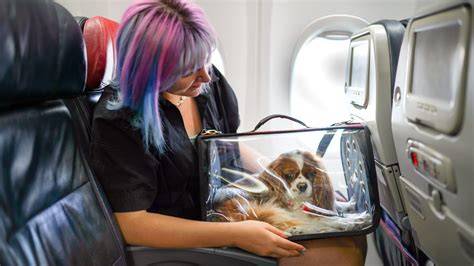
Southwest’s decision to allow cats and dogs as emotional support animals under the Air Carrier Access Act reshaped the cabin environment for crew members. The ACAA permits passengers to bring a broad range of support animals aboard at no charge when a mental health professional endorses the need. Southwest narrowed its own rules to cats and dogs only, but that still placed animals in cabins with increasing frequency, and without the formal task training required of service dogs.
Emotional support animals do not need task-specific training, and airlines reported a spike in incidents involving barking, aggression, biting, and animals relieving themselves in the cabin. For a flight attendant with a documented allergy, every one of those animals represents a potential medical event in a sealed aluminum tube at 35,000 feet, where there is no exit and no pharmacy.
A Letter To The C-Suite And A Three-Month Silence
Patterson did not go quietly. She claims she wrote directly to Southwest’s vice president of in-flight operations in 2018, the same year the carrier updated its policy on support animals. According to the lawsuit, the executive responded roughly three months later with a flat refusal and no alternative arrangements. She also proposed reseating passengers traveling with pets into a cabin section away from her assigned area, a modest adjustment she characterized as a minor operational change. Management rejected that too.
The paper trail matters legally. A documented request, a documented response, and a documented refusal establish that Southwest knew about Patterson’s disability and had an opportunity to act. Under the ADA, an employer cannot claim ignorance once an employee has put the need on the record, and courts scrutinize whether the company engaged in an interactive process rather than issuing a take-it-or-leave-it ultimatum.
Competing Accommodations: Employees Versus Passengers Under Federal Law
Southwest’s position rests on a genuine legal tension. The ADA obligates the airline to accommodate employees with disabilities, while the ACAA requires it to accommodate passengers traveling with service and psychiatric support animals. The carrier effectively treated its pet policy as an unalterable baseline, contending that a flight attendant who cannot work in a cabin with cats and dogs cannot perform the essential functions of the job.
The airline also operates under collective bargaining agreements that assign schedules, routing, and staffing by seniority. Management could argue that forcing other flight attendants to swap sections or trade trips would violate those contractual protections. In employment law, an accommodation is generally deemed unreasonable if it breaches a collective bargaining agreement or imposes a heavy burden on coworkers. Patterson’s counter is that rearranging seating, not rewriting schedules, falls well short of that threshold.
Why Patterson Is Seeking A Jury Trial And An Injunction
Patterson has demanded a jury trial and is pursuing damages, including punitive damages, for what she frames as discriminatory employment practices. Beyond her own lost wages and medical harm, she seeks an injunction barring Southwest from repeating the same conduct toward other crew members with allergies or comparable disabilities. That forward-looking remedy elevates the case from one employee’s grievance into a test of how airlines balance passenger animal policies against the health of the people serving the cabin.
Southwest has not publicly detailed its defense in the filing as described, but the airline’s broader litigation posture suggests it will lean on the essential-functions argument and the constraints of its labor agreements. Should the case proceed, the central question will be whether the carrier genuinely explored reasonable alternatives or simply handed its employee a checklist with two unacceptable boxes.