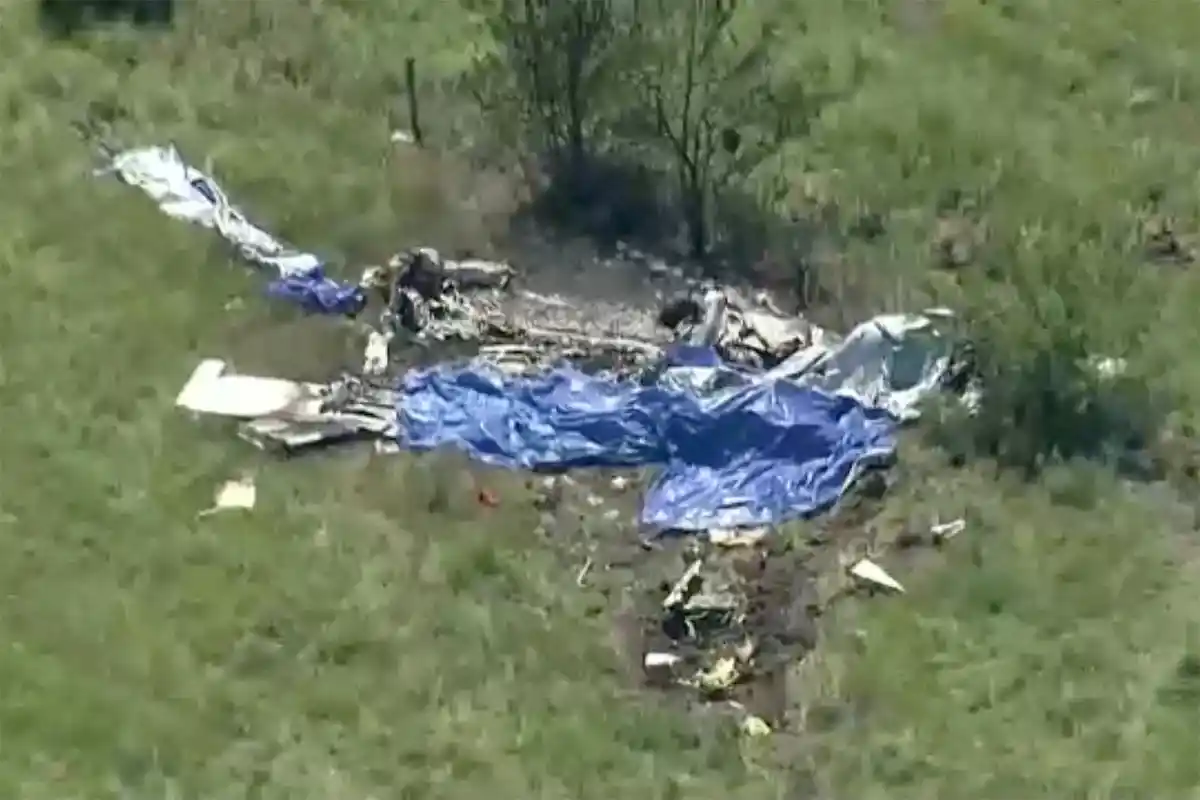
A devastating aviation tragedy unfolded in western Missouri on June 14 when a skydiving aircraft crashed moments after takeoff from Butler Memorial Airport, killing all 12 people on board. The accident, described by witnesses as sudden and violent, has triggered an extensive federal investigation as authorities work to determine what caused a routine recreational flight to end in catastrophe.
The aircraft, a Pacific Aerospace 750XL registered as N221BN, departed Butler Memorial Airport at approximately 11:30 a.m. local time. According to preliminary information released by officials, the turboprop aircraft became airborne before crashing roughly 300 yards from the runway. Emergency responders rushed to the scene within minutes, but there were no survivors among the pilot and 11 passengers aboard the flight.
The incident has sent shockwaves through Missouri’s aviation and skydiving communities. Recreational skydiving operations often involve repeated short-haul flights throughout the day, carrying jumpers to altitude before returning quickly to the airport for the next group. On the surface, June 14 appeared to be another normal day of operations. Instead, it became one of the deadliest skydiving aviation accidents in recent memory.
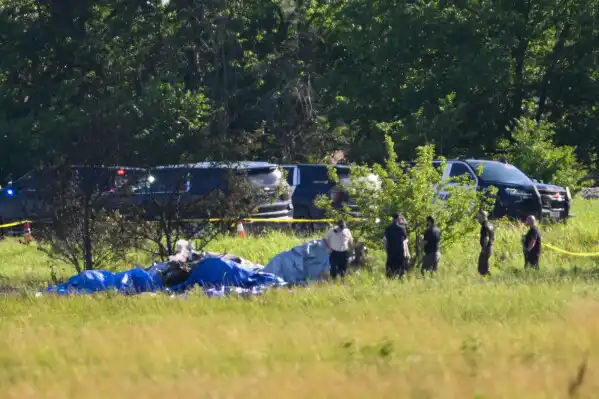
The crash site, located near Butler Memorial Airport, quickly became the focus of a large-scale emergency response. Firefighters battled a post-impact fire while law enforcement secured the surrounding area to preserve evidence. Access to portions of the airport was restricted as investigators began documenting debris patterns and collecting information critical to understanding the sequence of events.
Pacific Aerospace 750XL: The Aircraft at the Center of the Investigation
The aircraft involved in the accident was identified as a Pacific Aerospace 750XL, a single-engine turboprop designed and manufactured in New Zealand. The model has gained popularity among skydiving operators because of its ability to transport multiple parachutists efficiently while operating from relatively short runways.
Known for its rugged design and short takeoff and landing capabilities, the 750XL has become a practical choice for commercial parachuting businesses. The aircraft’s spacious cabin configuration allows skydivers to move more freely before exits, while its performance characteristics support the repetitive flight schedules typical within the industry.
Flight-tracking information indicates that the aircraft had been actively operating in the days leading up to the tragedy. Reports show that it completed two flights earlier on the day of the crash and had conducted multiple flights during the preceding Friday and Saturday. Such operational patterns are common among skydiving companies, particularly during periods of favorable weather and increased customer demand.
However, the aircraft’s recent activity does not, by itself, indicate the presence of mechanical issues. Investigators must now determine whether operational factors, maintenance concerns, environmental conditions, or other circumstances contributed to the fatal accident.
Twelve Lives Lost in a Matter of Minutes
Authorities confirmed that all 12 occupants aboard the aircraft died in the crash. The victims included the pilot and 11 passengers participating in the skydiving operation. Officials also stated that no injuries were reported among individuals on the ground.
The process of formally identifying victims and notifying family members began shortly after the crash. For many families, the tragedy was made even more painful by the fact that some relatives were reportedly present at the airport when the aircraft went down.
The emotional impact of the accident extended beyond immediate family members. Skydiving communities are often tightly connected, with instructors, pilots, staff, and participants developing close relationships through repeated training sessions and shared experiences. The loss reverberated throughout the broader parachuting community.
The flight was associated with Skydive Kansas City, a commercial skydiving operator utilizing Butler Memorial Airport as one of its operating locations. In a public statement, company representatives emphasized that their immediate focus remained on supporting employees, assisting investigators, and standing beside those affected by the tragedy.

What Investigators Will Examine
The National Transportation Safety Board is leading the investigation, supported by the Federal Aviation Administration. Federal investigators arrived at the scene to preserve evidence and initiate a methodical examination of the accident.
Determining the cause of an aviation accident requires extensive analysis. Investigators will likely assess the condition of the wreckage, examine maintenance records, review pilot qualifications and operational documentation, and evaluate available flight-tracking information. Airport records, weather observations, and witness accounts may also play important roles in reconstructing the aircraft’s final moments.
Because skydiving operations involve unique flight profiles characterized by rapid climbs, frequent departures, and repeated daily cycles, investigators must carefully analyze whether operational demands influenced any aspect of the event. At this stage, however, officials have stressed that no conclusions should be drawn.
Why Answers May Take Months
In major aviation accidents, the investigative process often unfolds gradually. The NTSB typically releases a preliminary report within several weeks, providing factual information gathered during the early stages of the inquiry. That document generally avoids assigning blame or identifying a definitive cause.
A final report, however, can require many months to complete. Investigators must validate evidence, conduct technical examinations, consult subject-matter experts, and ensure that every potential contributing factor receives appropriate scrutiny.
Until that process concludes, speculation surrounding the Missouri skydiving crash remains premature. What is known is that 12 individuals boarded a flight expecting an exhilarating recreational experience and never returned.
As Butler Memorial Airport resumes operations under the shadow of profound loss, families await answers that may help explain how an ordinary skydiving flight transformed into an unimaginable disaster. For investigators, uncovering those answers is not merely procedural—it is essential to improving aviation safety and preventing similar tragedies in the future.