Miami, a vibrant metropolis renowned for its sun-kissed beaches, pulsating nightlife, and rich cultural tapestry, stands as a premier global destination and a crucial gateway between the Americas. The seamless flow of tourists, business travelers, and cargo into this South Florida hub is heavily reliant on its robust airport infrastructure. While one major airport immediately springs to mind, travelers heading to the Magic City or its surrounding areas have several strategic aviation options to consider, each offering unique advantages. Understanding these choices, from sprawling international hubs to convenient executive airfields, is key to planning an efficient and enjoyable journey to sunny Miami, Florida.
This comprehensive guide delves into the major airports serving the Miami metropolitan area and beyond, providing detailed insights to help you select the perfect arrival or departure point. We’ll explore their facilities, connectivity, and the specific types of travel they best accommodate, ensuring you’re well-equipped with the knowledge to navigate South Florida’s skies. Whether you’re seeking the closest international gateway, a hub for low-cost carriers, or a private aviation terminal, your ideal airport is within reach.
Miami International Airport (MIA / KMIA): The Primary Gateway to the Americas
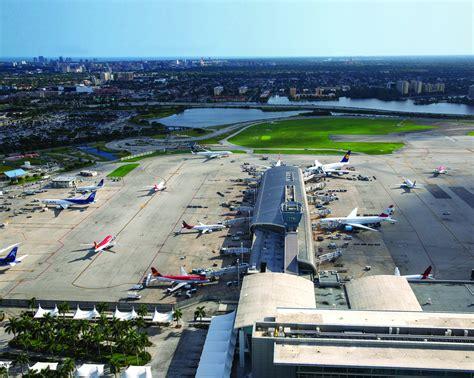
Dominating the aviation landscape of South Florida, Miami International Airport (MIA), officially known as Wilcox Field, is unequivocally the primary airport serving Miami and the surrounding Miami-Dade County. Located just 13 miles northwest of downtown Miami, MIA is a colossal facility, ranking as one of the busiest airports in the United States for both international passenger traffic and international freight. Its strategic geographical position makes it a pivotal hub for flights connecting North America, Latin America, and Europe. For decades, MIA has been the undisputed heavyweight champion of South Florida aviation, processing tens of millions of passengers annually and serving as a critical economic engine for the region. The airport’s sheer scale is impressive, sprawling over 3,230 acres and featuring a complex network of runways and taxiways designed to handle a high volume of diverse aircraft.
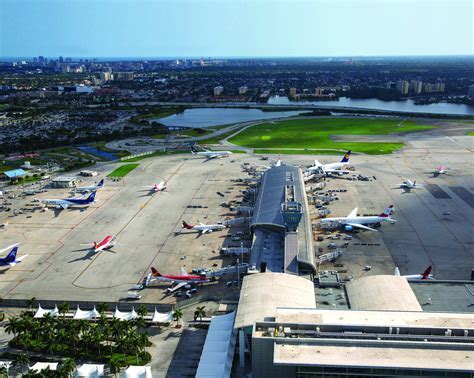
MIA’s history is rich, having evolved from a modest airfield in the 1920s into the global aviation powerhouse it is today. It was originally Pan American Field, then expanded during World War II for military use before transitioning into a major commercial airport. This legacy is reflected in its continuous development and modernization efforts. The airport boasts three main terminal buildings: the North Terminal (Concourse D), the Central Terminal (Concourses E, F, G), and the South Terminal (Concourses H, J). The North Terminal is the largest and serves as the primary hub for American Airlines and its Oneworld alliance partners, handling a vast majority of MIA’s international and domestic flights. The Central and South Terminals accommodate a diverse array of other major international and domestic carriers, including Delta Air Lines, Southwest Airlines, and many European and Latin American airlines. Navigating MIA can be an experience in itself, with each concourse offering a distinct array of gates, shops, and dining options tailored to its passenger demographic.
Passenger amenities at Miami International Airport are extensive, designed to cater to a global clientele. Travelers can find a wide variety of duty-free shops, luxury boutiques, newsstands, and bookstores. Dining options range from quick-service food courts offering international flavors to sit-down restaurants helmed by renowned chefs. Numerous airport lounges, including those operated by airlines like American Airlines (Admirals Club, Flagship Lounge), Delta (Sky Club), and various third-party operators (e.g., The Centurion Lounge), provide oases of comfort for eligible passengers. MIA is also known for its impressive public art program, with installations scattered throughout the terminals, transforming utilitarian spaces into engaging cultural experiences. Free Wi-Fi, currency exchange services, baggage wrapping, and comprehensive accessibility services further enhance the passenger experience.
Beyond passenger traffic, MIA is a global leader in international air cargo, particularly for perishable goods from Latin America. Its strategic location and specialized facilities, including extensive refrigerated warehousing, make it the top U.S. airport for international freight. This robust cargo operation significantly contributes to the local and national economy, supporting thousands of jobs and facilitating international trade.
Ground transportation to and from MIA is multifaceted. The MIA Mover, an automated people mover system, connects the airport terminals to the Miami Intermodal Center (MIC). From the MIC, travelers can access the Metrorail (Orange Line to downtown Miami and other locations), Tri-Rail (commuter rail connecting Miami, Fort Lauderdale, and West Palm Beach), local bus services, and a consolidated Rental Car Center housing numerous rental agencies. Taxis, ride-sharing services like Uber and Lyft, and hotel shuttles are also readily available, providing a plethora of options to reach your final destination in and around Miami.
Fort Lauderdale-Hollywood International Airport (FLL / KFLL): A Thriving Alternative
Located approximately 28 miles north of downtown Miami, in Broward County, Fort Lauderdale-Hollywood International Airport (FLL) has firmly established itself as a major and highly popular alternative to MIA. FLL is particularly favored by low-cost carriers such as Spirit Airlines (which has its headquarters nearby and operates a major hub here), JetBlue, Southwest Airlines, and Allegiant Air, though it also serves a growing number of legacy and international airlines. Its proximity to Port Everglades, one of the world’s busiest cruise ports, makes it an exceptionally convenient choice for travelers embarking on or returning from Caribbean cruises.
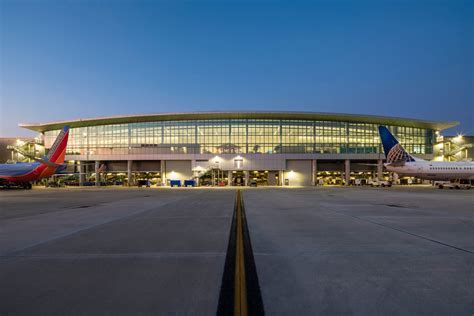
FLL has experienced significant growth over the past two decades, transforming from a regional airport into a bustling international gateway. This expansion includes modernized terminals, new runways, and enhanced passenger facilities. The airport currently features four terminals: Terminal 1 (New Terminal), Terminal 2 (Delta Terminal), Terminal 3 (Main Terminal), and Terminal 4 (International Terminal). These terminals are well-equipped with a variety of shops, restaurants, and passenger services, though perhaps on a slightly less grand scale than MIA. The atmosphere at FLL is often described as more relaxed and easier to navigate than its larger counterpart to the south, which can be a significant draw for many travelers. The airport is also known for its efficiency, often boasting shorter security lines and quicker gate access.
Passenger amenities at Fort Lauderdale-Hollywood International Airport include diverse dining options, retail outlets, and comfortable waiting areas. While it may not have the same number of flagship airline lounges as MIA, there are still options for premium passengers. Wi-Fi is available throughout the terminals. One of the key advantages of FLL is often the potential for lower airfares, especially on domestic routes served by its dominant low-cost carriers. This can make a substantial difference in overall travel costs, particularly for families or budget-conscious travelers.
Ground transportation from FLL to Miami and other parts of South Florida is readily available. Options include rental cars (with a consolidated rental car center), taxis, ride-sharing services, Broward County Transit buses, and shuttle services. For those heading to Miami, the drive typically takes between 30 to 60 minutes, depending on traffic conditions on I-95 or Florida’s Turnpike. Tri-Rail also serves FLL via a shuttle connection from the airport to the Fort Lauderdale Airport Station, offering a rail link to Miami and West Palm Beach.
Choosing between MIA and FLL often comes down to a combination of factors including airline preference, flight availability, ticket price, final destination within South Florida, and tolerance for large, bustling airport environments. FLL’s continued growth and development ensure it remains a strong and appealing competitor in the region’s aviation market.
Palm Beach International Airport (PBI / KPBI): A Serene Option Further North
Situated approximately 69 miles north of Miami, in West Palm Beach, Palm Beach International Airport (PBI) offers another compelling alternative for travelers to South Florida, particularly those destined for Palm Beach County or the northern reaches of Broward County. PBI is consistently lauded for its user-friendly design, cleanliness, and relatively stress-free passenger experience. While smaller than MIA and FLL, it handles a respectable volume of domestic and international flights, serving as a convenient gateway for residents and visitors of the affluent Palm Beach area.
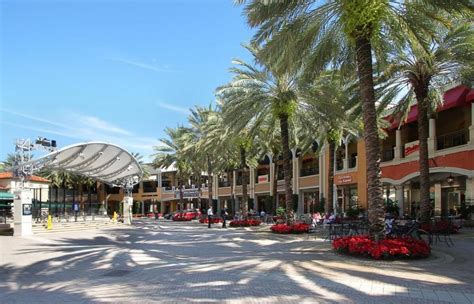
PBI features a single, modern, and architecturally pleasing terminal with three concourses (A, B, and C). The airport’s manageable size means shorter walks to gates, quicker security screening, and generally less congestion than its larger southern neighbors. Airlines operating at PBI include major carriers like American Airlines, Delta, United, JetBlue, and Southwest, as well as several Canadian airlines, particularly during the winter season. It offers direct flights to many key domestic hubs and select international destinations, primarily in the Caribbean and Canada.
Passengers at Palm Beach International Airport enjoy a range of amenities, including diverse dining options from casual cafes to more upscale restaurants, retail shops, and comfortable waiting areas often adorned with local art. The airport even features a putting green for golf enthusiasts. Its reputation for ease of navigation and a more relaxed atmosphere makes it an attractive choice for travelers who prioritize convenience and a calmer airport environment. For those heading to Miami, the drive from PBI can take 1.5 to 2 hours, depending on traffic. While not the closest airport to Miami, it can be a strategic choice if flight deals are significantly better or if one’s itinerary includes exploring the Palm Beach area before or after a Miami visit.
Other International Airports: Niche Caribbean Gateways
Beyond the primary Florida-based international airports, the reference material also lists two Bahamian airports due to their relative proximity, though they serve very specific travel needs rather than being general alternatives for Miami.
South Bimini Airport (BIM / MYBS), located in the Bahamas, is approximately 58 miles from Miami. This small airport is the primary air access point for the islands of Bimini, a popular destination for fishing, diving, and resort stays. Flights to BIM are typically short hops from South Florida, often on smaller commuter aircraft or seaplanes. It’s not an alternative for reaching mainland Miami but rather a destination airport easily accessible from the Miami area.
Grand Bahama International Airport (FPO / MYGF) in Freeport, Bahamas, is about 108 miles from Miami. It’s a more substantial airport than BIM, serving the city of Freeport and the island of Grand Bahama. It handles international flights from the US, Canada, and some European charters. Like BIM, FPO is a destination airport for those visiting the Bahamas, not a practical alternative for travelers whose primary destination is Miami itself, but it underscores the close aviation links between South Florida and the Bahamian archipelago.
Key Domestic Airports in the Wider South Florida Sphere
While MIA, FLL, and PBI are the main players for domestic flights directly serving the greater Miami area, a couple of other airports further afield might come into play for specific itineraries or regional exploration.
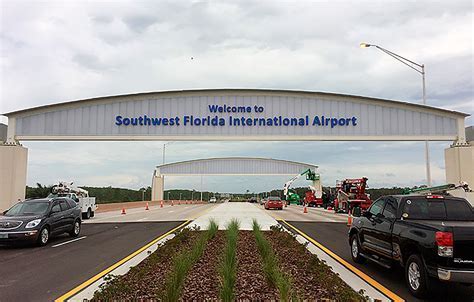
Southwest Florida International Airport (RSW / KRSW), located in Fort Myers on Florida’s Gulf Coast, is approximately 149 miles west of Miami. RSW is a major airport for Southwest Florida, serving Fort Myers, Naples, Cape Coral, and surrounding areas. While a considerable drive from Miami (typically 2.5 to 3 hours), it could be an option for travelers planning a multi-destination Florida trip or if exceptionally cheap fares combined with a rental car make it economically viable. It’s a modern and efficient airport with a good selection of domestic airlines and routes.
Naples Municipal Airport (APF / KAPF), situated about 123 miles west of Miami in Naples, is primarily a general aviation airport. However, it does see some limited scheduled passenger service, often with smaller airlines or charter operations connecting to destinations like Key West or cities in the Bahamas. For most commercial travelers heading to Miami, APF would not be a primary consideration, but it serves a niche market for regional connections and private flyers visiting the affluent Naples area.
A Look at Local and Executive Airports Near Miami
Beyond the major commercial airports, the Miami area is home to a vibrant ecosystem of local and executive airports catering to general aviation, private jets, flight schools, and specialized air services. These facilities play a crucial role in the region’s overall aviation infrastructure.
Opa-locka Executive Airport (OPF / KOPF) is a significant reliever airport located just 14 miles northwest of downtown Miami. OPF is a major hub for corporate aviation, private jets, air charters, and cargo operations. It boasts U.S. Customs facilities, making it a convenient port of entry for private international flights. Its long runways can accommodate large aircraft, and it’s home to several fixed-base operators (FBOs) offering premium services to private flyers.

Kendall-Tamiami Executive Airport (TMB / KTMB), situated about 25 miles southwest of downtown Miami, is one of the busiest general aviation airports in Florida. TMB is a hub for flight training, recreational flying, and smaller business aircraft. It hosts several flight schools and aviation businesses, contributing significantly to pilot training in the region.
North Perry Airport (HWO / KHWO), in Hollywood (Broward County), approximately 18 miles north of Miami, is another key general aviation airport. It primarily serves private pilots, flight schools, and banner-towing operations. Its four runways make it a busy training ground.
Fort Lauderdale Executive Airport (FXE / KFXE), located about 33 miles north of Miami in Fort Lauderdale, is a premier general aviation and corporate airport. Like OPF, FXE has U.S. Customs and Border Protection facilities, making it popular for international private travel. It’s one of the busiest general aviation airports in the country and hosts numerous aviation businesses and FBOs.
Other notable local air facilities include:
- Miami Downtown Heliport (JDM): Located just 1 mile from downtown, offering helicopter services for tours, charters, and transport.
- Miami Seaplane Base (MPB): Situated 31 miles away (the distance might be to a specific point, as seaplane bases are on water), catering to seaplane operations, often for tours or travel to the Keys and Bahamas.
- Homestead Joint Air Reserve Base (HST / KHST): About 33 miles south of Miami, primarily a military facility but can accommodate some other operations.
- Pompano Beach Airpark (PPM): Located 37 miles north, serving general aviation and home to the Goodyear Blimp base.
- Boca Raton Airport (BCT / KBCT): Roughly 46 miles north, a busy general aviation airport with customs, serving corporate and private aircraft in southern Palm Beach County.
These smaller airports, while not typically used by commercial airline passengers, are vital for relieving congestion at the major hubs, supporting business aviation, facilitating flight training, and providing essential services like air ambulance and law enforcement aviation.
Choosing Your Ideal Airport for Miami: Key Considerations
Selecting the best airport for your trip to Miami or South Florida involves weighing several factors:
- Ultimate Destination: If you’re staying in downtown Miami or South Beach, MIA is generally the most convenient. If your destination is in Broward County (e.g., Fort Lauderdale, Hollywood), FLL is likely a better choice. For Palm Beach County, PBI is ideal. Consider travel time and costs from the airport to your specific lodging or meeting point.
- Airline Choice and Airfare: MIA offers the widest selection of international airlines and is a major hub for American Airlines. FLL is strong for low-cost carriers like Spirit and JetBlue. Compare prices and routes across airports; sometimes, flying into a slightly more distant airport can result in significant savings, especially if you’re renting a car.
- Type of Travel: For international long-haul flights, MIA often has the most direct connections. For cruise passengers departing from Port Everglades, FLL offers unparalleled convenience. Business travelers with private aircraft will look to executive airports like OPF or FXE.
- Travel Experience Preference: If you prefer a less crowded, potentially quicker airport experience, PBI or even FLL might be more appealing than the vastness of MIA. However, MIA’s scale also means more amenities and direct flight options.
- Ground Transportation: Factor in the cost and convenience of getting from the airport to your destination. MIA has direct Metrorail access, while FLL and PBI rely more on shuttles, taxis, ride-shares, and rental cars for connections to urban centers or other transport modes like Tri-Rail.
Seamless Ground Transportation: Connecting to Miami
Once you’ve landed, navigating to your Miami destination is crucial. From MIA, the MIA Mover to the Miami Intermodal Center (MIC) is your gateway. Here, the Metrorail Orange Line offers a direct, affordable ride to Downtown Miami, Brickell, Coconut Grove, and Dadeland. The Rental Car Center at the MIC houses all major rental agencies. Taxis and ride-sharing services (Uber/Lyft) have designated pick-up zones at each terminal, with fares to South Beach typically ranging from $35-$50, depending on traffic. Several bus routes, including the Metrobus Route 150 Miami Beach Airport Express, provide economical connections.
From FLL, the Rental Car Center is conveniently located adjacent to Terminal 1. Taxis and ride-sharing pick-ups are clearly marked outside each terminal; a trip to downtown Miami can cost $70-$100+. For public transit, you can take a free shuttle to the Fort Lauderdale Airport Tri-Rail Station, which connects south to Miami-Dade and north to Palm Beach County. Several shuttle bus companies also offer shared or private rides to Miami destinations and PortMiami.
From PBI, the options are similar, with on-site rental cars, taxis, and ride-sharing. Palm Tran (Palm Beach County’s bus system) serves the airport. Tri-Rail can be accessed via a short taxi or shuttle ride to the West Palm Beach station, providing a link southwards. The drive to Miami from PBI is the longest of the three main airports, making rental cars or pre-booked car services popular choices for this journey.
Miami’s Airports: Your Portal to Paradise and Commerce
Miami’s strategic importance as a global crossroads is mirrored by its diverse and capable airport system. From the international behemoth that is Miami International Airport (MIA), the rapidly expanding and budget-friendly Fort Lauderdale-Hollywood International Airport (FLL), to the pleasantly efficient Palm Beach International Airport (PBI), travelers have excellent choices tailored to their needs. Complemented by a network of specialized executive and local airfields, South Florida’s aviation infrastructure ensures that whether you’re arriving for leisure, business, or connecting to the wider Caribbean and Latin American regions, your journey can begin and end with convenience and efficiency. By considering your specific travel plans and preferences, you can select the perfect airport near Miami to launch your South Florida adventure.