Florida’s commercial aviation ecosystem in 2025 is moving at a blistering pace, driven by a tourism surge, a booming state economy, and record population growth. Air traffic across the Sunshine State has expanded at more than double the national average, and nearly one in every five U.S. airline seats now touches Florida. What makes this aviation landscape even more remarkable is that nearly 95% of all commercial passengers fly through just seven major airports—each with its own growth story, development challenges, and ambitious expansion plans.
These seven airports alone are expected to handle more than 200 million passengers in 2025, reflecting both the intensity of Florida’s aviation market and the strategic role the state plays in domestic and global travel.
Jacksonville International Airport (JAX): A Fast-Rising Northern Gateway
Jacksonville International Airport has undergone one of the most impressive growth trajectories in post-pandemic America. After welcoming a record 7.6 million passengers, the airport is deep into a transformative expansion phase. Its $440 million rebuilding of Concourse B—adding up to 10 new gates—will increase total capacity by 50% once it opens in 2026.
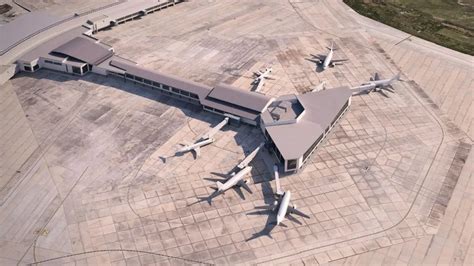
American Airlines leads with 30% of JAX’s flight activity, while Breeze Airways is rapidly scaling, operating the longest route from Jacksonville to Los Angeles. Even more unique is Jacksonville’s military role: it houses the Florida Air National Guard’s 125th Fighter Wing, which is transitioning from F-15C/D Eagles to F-35A Lightning II jets.
Palm Beach International Airport (PBI): Luxury Demand Meets Capacity Pressure
Palm Beach International Airport has seen its identity evolve beyond being known for high-profile private aviation activity. A 27% traffic increase over the past two years elevated PBI to 8.4 million passengers, but also created significant operational strain, giving it the second-highest delay rate among major U.S. airports in early 2025.
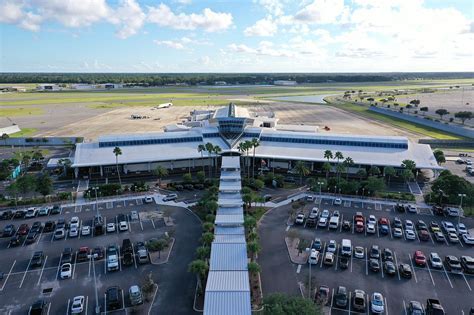
JetBlue shoulders 27% of all flights from PBI and operates the longest route to Los Angeles with its Airbus A321neo fleet. The airport’s ongoing $141 million Concourse B expansion—adding 56,000 square feet—aims to alleviate congestion and enhance capacity for growing leisure demand.
Southwest Florida International Airport (RSW): Explosive Growth and New Transatlantic Ambitions
Southwest Florida International Airport has emerged as a dominant single-runway airport, servicing 11 million passengers last year. It is now Breeze Airways’ official base, fueling a network of 26 routes and accelerating traffic beyond regional expectations.
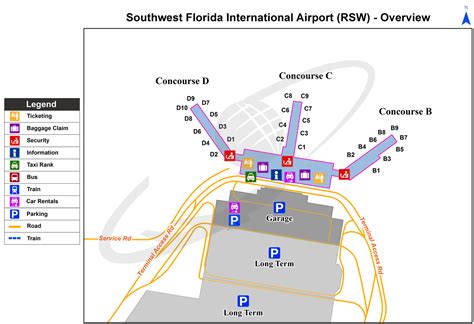
Massive growth has triggered a $1.1 billion terminal expansion, including a remodeled 164,000-square-foot concourse and a future Concourse E with up to 19 possible gates. RSW has also joined the global sphere with a twice-weekly Frankfurt service by Discover Airlines, the airport’s first transatlantic route.
Tampa International Airport (TPA): Florida’s Fastest-Growing Metro Takes Flight
Tampa International Airport stands apart for its extraordinary metropolitan growth. Handling nearly 25 million passengers last year, TPA has already surpassed pre-pandemic records and continues to outpace many U.S. airports of similar size.
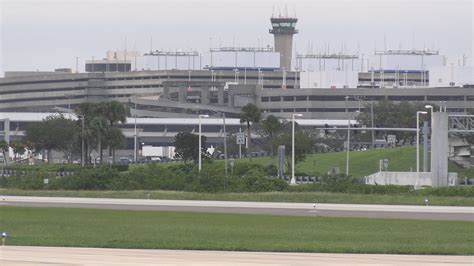
TPA is investing heavily in long-term infrastructure through a $1.5 billion Airside D terminal, a 600,000-square-foot expansion with 16 new gates. Southwest leads the market with 27% of flights, while international connectivity includes Zurich, London, Amsterdam, and Frankfurt.
Fort Lauderdale–Hollywood International Airport (FLL): A Low-Cost Carrier Battleground
Fort Lauderdale–Hollywood International Airport’s identity as a powerhouse for low-cost carriers remains strong. Long a crucial base for Spirit Airlines, FLL historically pushed LCC competition to new heights in Florida.
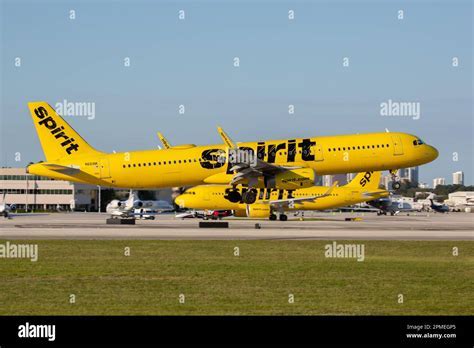
Yet, 2025 marks a turning point. Spirit’s second bankruptcy has triggered significant route cuts, resulting in an 11% drop in passenger volume during the first half of the year. JetBlue and Frontier are expanding rapidly to fill the void, but FLL’s overall numbers remain pressured. Even so, FLL still supports more than 229,000 flights annually and maintains long-haul service such as El Al’s Tel Aviv route.
Miami International Airport (MIA): America’s Gateway to Latin America
Miami International Airport remains Florida’s global titan. American Airlines operates a staggering 250,000 flights in 2025, controlling two-thirds of all activity and reinforcing Miami as the premier U.S.–Latin America gateway.
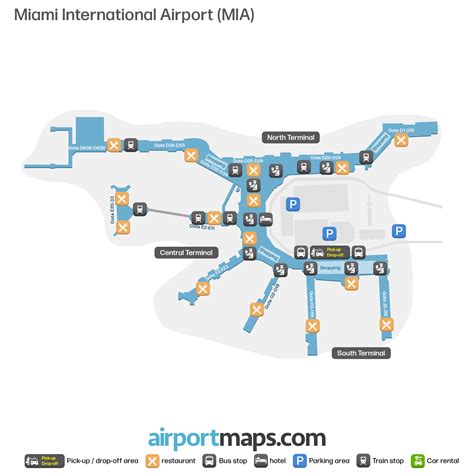
MIA recently surpassed JFK as America’s busiest international passenger gateway and became the nation’s top international cargo airport. With 56 million passengers last year and a $9 billion modernization program underway—including Concourse K and upgrades to over 600 conveyance units—the airport is preparing for an estimated 77 million passengers by 2040.
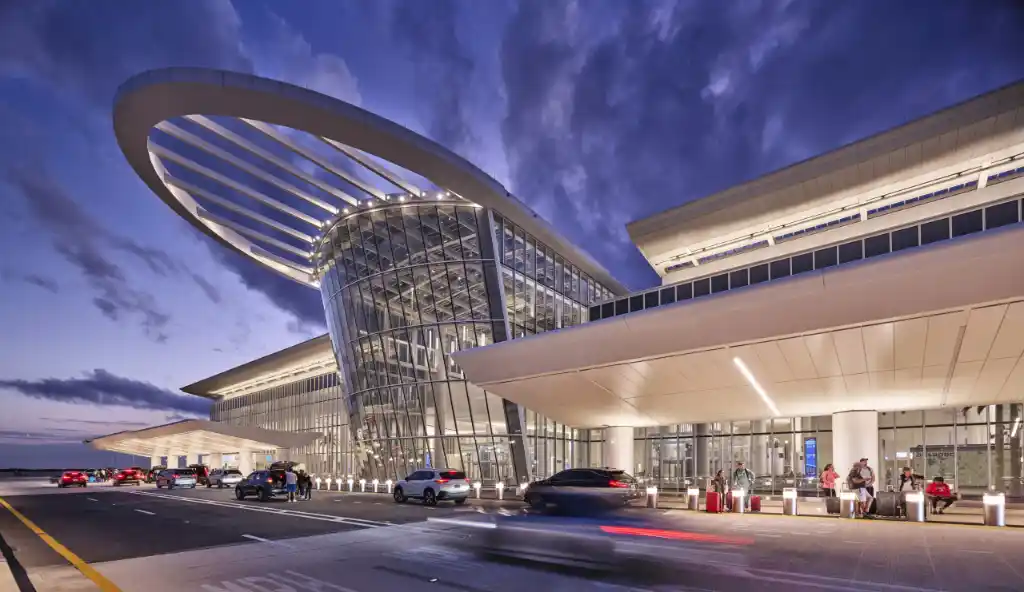
Orlando International Airport (MCO): The Tourism Superpower and Florida’s Busiest Airport
Orlando International Airport holds the crown as Florida’s busiest airport, surpassing Miami thanks to the overwhelming scale of domestic and international tourism. MCO handled 57 million passengers last year and expects 386,616 flights in 2025—a new all-time high.
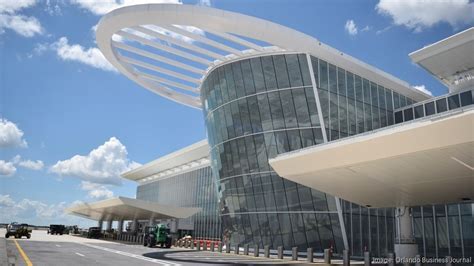
Southwest Airlines leads the market with 100,000 annual flights, while Delta controls the busiest corridor to Atlanta. MCO’s ambitious $6 billion modernization initiative includes tram upgrades, biometric screening technology, major terminal renovations, 8,000 new parking spaces, and a plan to open 24 additional gates in Terminal C before the decade ends. A future Terminal D is already under development, signaling long-term growth.
Orlando’s recent additions, including Air France, Iberia, and LATAM services, reflect its growing global profile and Florida’s continued dominance as a tourism-driven aviation hub.
Florida’s seven busiest airports are shaping the future of U.S. aviation, each through distinctive strategies: rapid expansion, global connectivity, LCC competition, or tourism-driven demand. Their combined momentum ensures that Florida will remain one of the most dynamic aviation markets in the world for years to come.