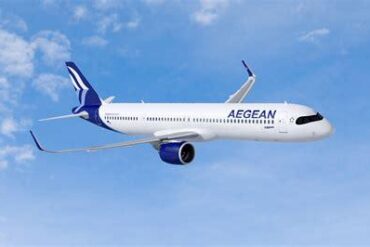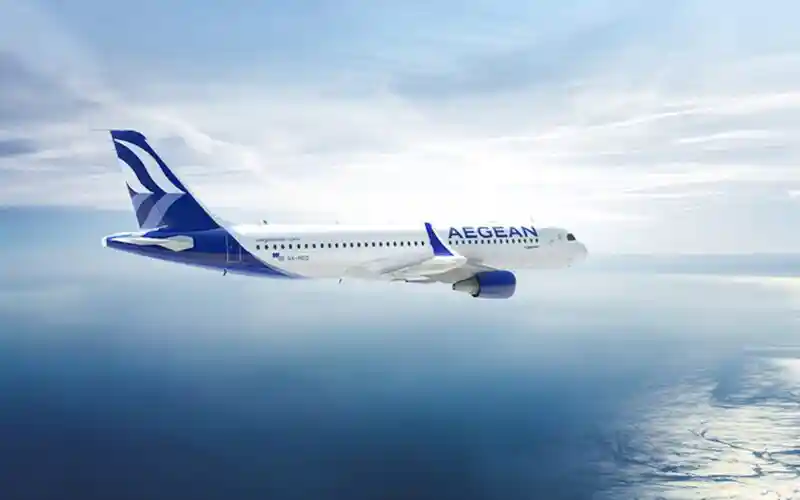
Greek flag carrier Aegean Airlines has officially become the newest customer of the highly anticipated Airbus A321XLR, marking a pivotal moment in the airline’s long-term growth strategy. Announced on July 16, the order for two advanced A321neo XLR aircraft positions Aegean to connect Athens directly with key destinations in India, dramatically expanding its international network. With the new aircraft set for delivery ahead of 2026, Aegean’s move underscores the growing appeal of single-aisle, long-range aircraft for mid-tier carriers aiming to bridge niche intercontinental routes.
A Strategic Leap: Direct Flights from Athens to India
Aegean’s procurement of the A321XLR directly targets long-awaited, non-stop routes to the Indian subcontinent. Plans are firmly in place for five weekly flights from Athens International Airport (ATH) to Indira Gandhi International Airport (DEL) in New Delhi, beginning March 2026, and three weekly services to Mumbai’s Chhatrapati Shivaji Maharaj International Airport (BOM) from May 2026. While specific schedules are still pending, the airline is expected to release tickets for sale as early as September 2025.
This expansion is not merely about new routes—it represents a significant shift for the airline, which traditionally operated within Europe and the Middle East using a narrowbody-only fleet. By incorporating the A321XLR, Aegean can now operate flights exceeding 10 hours without the need for widebody aircraft, thereby tapping into lucrative long-haul markets at considerably lower operational costs.
Premium Cabin Experience: Business Suites & Economy Comfort
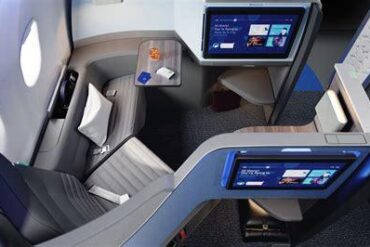
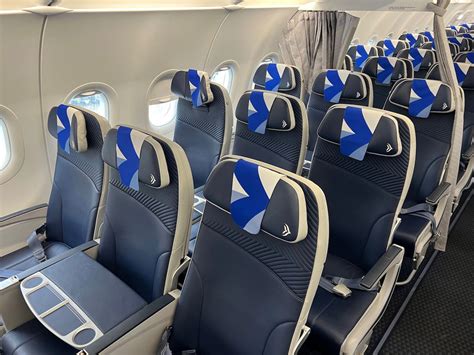
Onboard the new A321XLRs, passengers will experience a two-class cabin meticulously designed to optimize comfort and space on these extended flights. The aircraft will feature just 138 seats in total, structured as:
- 24 lie-flat business class suites, each offering full aisle access and expansive personal space suitable for overnight flights.
- 114 economy seats, arranged in a standard 3-3 configuration, ensuring a comfortable journey even in coach.
Amenities will include personal in-flight entertainment screens, satellite WiFi, USB charging ports, and next-generation Airspace cabin features such as extra-large overhead bins for enhanced storage capacity.
Aegean Airlines’ Chairman, Mr. Eftichios Vassilakis, emphasized that the aircraft’s arrival marks, “the beginning of a new chapter for AEGEAN, with new possibilities for growth but also new options for our passengers and the connectivity of our country.”
Expanding Horizons: Future A321LR Routes Beyond India
Beyond the two A321XLRs, Aegean Airlines has confirmed plans to integrate up to four Airbus A321LR aircraft from 2027 to 2028, further pushing the airline’s international reach. With a slightly shorter range than the XLR, the A321LRs are still capable of supporting medium-long-haul flights, with potential new destinations under consideration including:
- Bangalore, India
- Mahe, Seychelles
- Male, Maldives
- Nairobi, Kenya
- Almaty, Kazakhstan
- Lagos, Nigeria
These routes would enable Aegean to establish itself as a significant long-haul operator out of Athens, effectively positioning the Greek capital as a transit hub bridging Europe, Asia, and Africa. The move will support both direct passenger traffic and connecting flights via Athens for travelers originating in other parts of Europe.
Airbus A321XLR: The Aircraft Changing Long-Haul Aviation
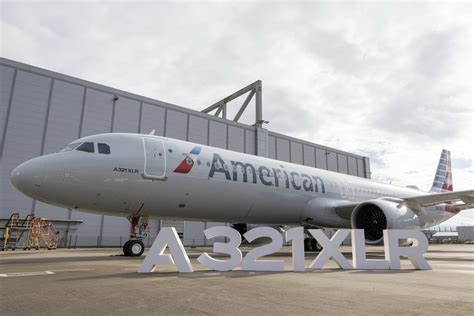
The Airbus A321XLR, first entering commercial service in late 2024, is a revolutionary member of the A320neo family. Boasting a range of up to 4,700 nautical miles, the A321XLR combines widebody-like capabilities with the fuel efficiency and operational flexibility of a single-aisle aircraft. Key technical features include:
- Length: 146 ft (44.5 m)
- Wingspan: 117 ft (35.8 m)
- Height: 38 ft (11.8 m)
- Maximum flight duration: Approximately 10.5 hours
- Permanent rear centre fuel tank, enhancing fuel burn efficiency
- Optimized aerodynamics and reduced CO2 emissions
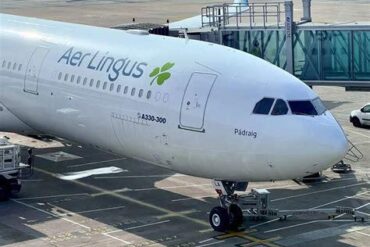
Its Airspace cabin design ensures a more comfortable passenger experience, integrating advanced lighting, quieter interiors, and larger storage spaces. Airlines such as Iberia, Aer Lingus, Wizz Air UK, and Qantas have already taken delivery of A321XLRs, deploying them on both transcontinental and transoceanic routes.
Why Aegean’s Order Signals Strategic Ambition
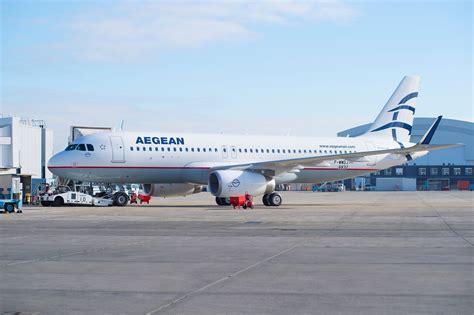
Unlike larger legacy carriers operating widebodies on long-haul routes, Aegean’s narrowbody fleet has historically constrained its intercontinental ambitions. The A321XLR changes this dynamic entirely. Offering similar range to smaller widebodies like the Boeing 787-8, but at significantly lower acquisition and operating costs, the XLR allows Aegean to test and develop long-haul markets with minimized financial risk.
Moreover, Aegean’s strategic targeting of India—one of the world’s fastest-growing outbound travel markets—positions the airline to benefit from growing leisure and business demand between South Asia and Europe. Greece itself has seen a rise in Indian tourism, while Athens serves as a practical gateway into Europe from India.
Mr. Vassilakis highlighted the airline’s intent to capitalize on the new aircraft’s capabilities not just to serve existing demand but also to foster Greece’s role as a transit hub. This aligns with broader efforts to elevate Athens International Airport as a competitive alternative to larger European hubs such as Istanbul, Frankfurt, and Dubai.
Competitive Cabin Features Enhance Long-Haul Viability
With airlines increasingly judged on their long-haul cabin offerings, Aegean’s decision to limit the seat count on its A321XLRs demonstrates a clear focus on passenger comfort. The inclusion of lie-flat business class suites in particular places Aegean in direct competition with larger global carriers on premium routes.
Economy class travelers will similarly benefit from more personal space, seatback entertainment, and consistent connectivity—a necessity on flights stretching up to ten hours. This comprehensive approach to cabin design will play a key role in attracting both corporate and leisure travelers on the new India routes.
Looking Ahead: Delivery Timeline and Operational Integration
The first A321XLR delivery is expected in late 2025, with commercial service to commence by March 2026. By 2028, Aegean will have six next-generation long-range narrowbodies—two XLRs and four LRs—integrated into its operational fleet. These aircraft will be instrumental in supporting the airline’s medium and long-haul ambitions, all without requiring a shift to widebody operations.
Aegean’s ongoing investment in support infrastructure, including maintenance capabilities and ground services at Athens, is set to complement its fleet expansion. This ensures smooth integration of the technologically advanced aircraft while maintaining high operational reliability.
Conclusion: Aegean’s A321XLR Bet May Redefine Its Future
Aegean Airlines’ decision to join the ranks of Airbus A321XLR operators represents far more than a simple fleet upgrade. It is a clear statement of long-term ambition. By leveraging the aircraft’s extended range and fuel efficiency, Aegean can now serve high-potential markets like India directly from Athens, while building a premium passenger experience capable of rivaling much larger airlines.
With its first India-bound flights due to launch in 2026, and further international routes planned through 2028, Aegean is positioning itself not only as Greece’s national carrier but as a regional connector between Europe, Asia, and Africa. The next three years will reveal whether this strategic pivot will deliver on its potential, but the foundation laid by the A321XLR order suggests Aegean’s future is set to soar.