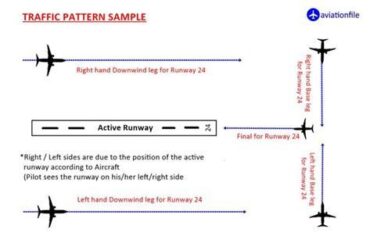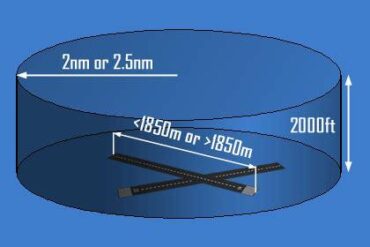
An Aerodrome Traffic Frequency (ATF) is a specific radio frequency used at active uncontrolled aerodromes that do not qualify for a Mandatory Frequency (MF). The purpose of the ATF is to ensure that all radio-equipped aircraft on the ground or in the vicinity are tuned to a common frequency and adhere to unified reporting procedures. In Canada, the ATF is typically the frequency of the Universal Communications (UNICOM) facility if one is available, or 123.2 MHz if not. The exact frequency, along with the distance and altitude for ATF usage, will be detailed in the relevant flight supplements.
Trained vehicle operators who hold a valid radiotelephone license can communicate with pilots over the ATF. They provide important information such as the positions of vehicles and other aircraft in the maneuvering area, and runway conditions when known. Additionally, personnel managing UNICOM or Air/Ground radio services can relay the same information to pilots.
If communication with ground personnel fails—whether due to no response or NORDO—it’s the pilot’s duty to visually check the runway condition before landing or taking off. For traffic deconfliction, all aircraft must broadcast their intentions when operating in or approaching an ATF area. Any conflicts identified from these broadcasts should be resolved by the involved pilots. More details can be found in the article on Uncontrolled Aerodromes – Communications.
The use of an ATF isn’t restricted to just aerodromes. It can also be assigned to certain areas outside the immediate vicinity of an aerodrome where VFR traffic is high. This ensures safety by having all traffic monitor the same frequency. For instance, an ATF might be set up along a busy flight corridor between two uncontrolled aerodromes or within a designated training area. All aircraft operating below a specified altitude in these zones are encouraged to monitor and report their intentions on the same frequency.