Owning an aircraft has long been considered a luxury, but for pilots focused on local sightseeing flights, VFR conditions, and low-hour usage, the dream of personal ownership is well within reach—even under a $50,000 budget. While such a figure may not buy a freshly overhauled, high-performance aircraft, it opens doors to a surprising number of viable, airworthy options.
For aviators flying modest hours—typically fewer than 75 hours per year—the combination of low acquisition costs, basic maintenance, and simpler avionics makes certain legacy aircraft and experimental builds particularly compelling. Still, as with any aviation decision, trade-offs in performance, upkeep, and access must be carefully weighed.
Navigating Budget Ownership: Setting Expectations Realistically
Before committing to any purchase, prospective owners must recognize what $50,000 truly buys in today’s aircraft market. We’re not discussing modern glass cockpits, ADS-B IN/OUT integration with digital redundancy, or impeccable upholstery. What you are buying is access: the ability to say “let’s fly today” without negotiating club calendars or shared aircraft maintenance schedules.
Expect to find aircraft built between the 1950s and 1970s, many with high airframe hours, older interiors, and analog gauges. These planes are rarely pristine and often require post-purchase repairs. Maintenance estimates can vary widely, but common figures include:
- Annual inspections taking 10–15 hours of shop time
- Common parts like bolts costing upwards of $150 each
- Insurance premiums ranging from $2,500 to $4,000 annually depending on aircraft type and pilot experience
Even so, ownership allows complete personalization—paint schemes, panel upgrades, or seating configurations—within budget constraints. Pilots looking to make their aircraft a personal project often find this aspect the most rewarding.
Cessna 150: The Most Accessible Entry Point
Among all options, the Cessna 150 emerges as the most attainable and sustainable aircraft for solo ownership under $50K. This two-seat trainer is reliable, docile, and relatively inexpensive to operate. With parts readily available and a wide support community, it is an ideal candidate for first-time owners.
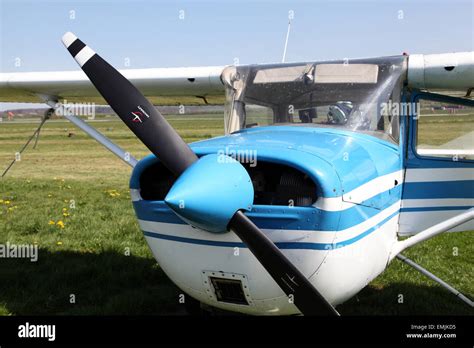
Most C150s on the market fall within the $25,000 to $45,000 range, often leaving room in the budget for necessary upgrades or unexpected repairs. A 1968 Cessna 150H, for example, was recently purchased for $42,000, requiring another $8,000 in repairs post-sale to address mechanical issues and make it airworthy.
Performance-wise, the 150 cruises around 90 knots, consumes about 5–6 gallons of fuel per hour, and features extremely predictable handling—making it ideal for weekend sightseeing and VFR flights in good weather.
However, its limitations must be acknowledged:
- Not well-suited to high-density altitude operations
- Minimal luggage space and only two seats
- Older avionics unless previously upgraded
Still, for simplicity and reliability, the C150 is an aircraft that delivers.
Piper Cherokee 140: A 4-Seat Alternative Within Reach
For pilots desiring four seats or a more spacious cabin, the Piper Cherokee 140 offers a compelling option within this budget. Though more expensive than a typical 150, select Cherokee 140s can be found under $50,000, particularly older models with high-time engines or basic avionics.
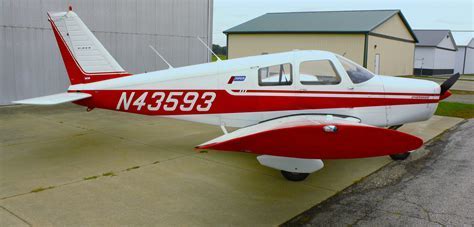
Cruising at approximately 110 knots and burning 7–9 gallons per hour, the Cherokee 140 provides more utility than the C150, especially for those hoping to fly with family or friends. The low-wing design improves ground handling in crosswinds, and parts availability remains excellent thanks to Piper’s enduring popularity.
However, ownership costs do rise slightly:
- Slightly higher insurance premiums than a 150
- More complex systems, including electrical and trim mechanisms
- Additional weight impacting performance on shorter strips
Even so, the Cherokee 140 stands as a practical blend of capacity and cost-efficiency, particularly in areas where hangar space or ramp tie-downs are available year-round.
Exploring the Experimental Category: Low-Cost, High-Sweat Equity
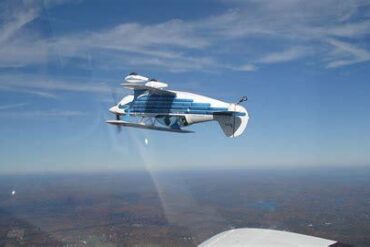
For mechanically inclined aviators, the world of experimental aircraft opens further possibilities. Planes like the Thorp T18 and Zenith 601XL-B frequently trade hands for $30,000 to $40,000, often including comprehensive build logs and maintenance records.
These aircraft offer faster cruise speeds, updated avionics (in many cases), and lighter airframe construction. However, the major caveat is ongoing maintenance responsibility, especially for non-builder owners. Familiarity with EAA chapters, local support groups, and experimental airworthiness inspections is essential.
Experimental aircraft may lack resale fluidity, but they often boast:
- High power-to-weight ratios
- Modern instrumentation (if owner-upgraded)
- Unique customization options
But with such benefits come unique obligations:
- Builder logs must be reviewed thoroughly for safety
- Insurance can be difficult or expensive for non-builder pilots
- Shop support may be harder to find for less common kits
Still, for those comfortable with wrenches and rivets, experimental ownership offers unmatched value.
Ownership vs. Partnerships: A Cost-Smart Reality Check
Despite the allure of total control, full ownership isn’t always the most efficient path. For many pilots, a 1/3 or 1/4 share partnership grants similar aircraft access while drastically reducing expenses.
Consider this: A Piper Cherokee 140 valued at $60,000 may be unaffordable solo, but three owners could each contribute $20,000 and share maintenance and hangar costs. In real terms, this means lower fixed expenses, shared insurance, and better access to higher-quality aircraft.
Partnerships also deliver practical benefits:
- Minimal scheduling conflicts, especially when partners have flexible usage
- Higher maintenance standards when costs are shared and monitored
- Opportunities for long-term co-investment in upgrades or improvements
Contrast that with flying clubs, which often have 10+ members per plane. These arrangements trade cost for convenience, offering lower rates but inconsistent availability and variable care.
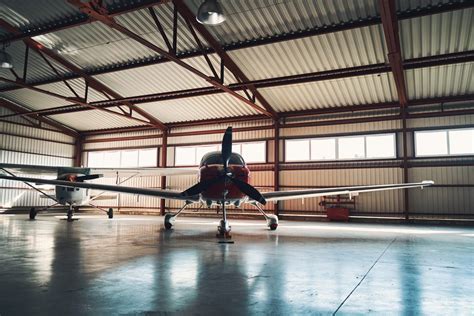
Location, Storage, and Operational Environment Matter More Than You Think
Even with the perfect aircraft lined up, local infrastructure will shape your actual flying experience. Pilots in coastal regions benefit from stable sea-level performance, while those at high-altitude airports may find the underpowered C150 struggling on warm days.
Other location-based concerns include:
- Hangar waitlists, especially at urban or high-demand airports
- Exposure to weather if relying on tie-downs
- Availability and rates of local maintenance shops
- Proximity to insurance-approved instructors for transition training (especially for taildraggers or experimental models)
Networking within EAA chapters, local fly-ins, or online forums often reveals aircraft not yet listed publicly. Some of the best deals in aviation happen via word-of-mouth within the pilot community.
Financial Breakdown: Sample Ownership Costs Under $50K
Let’s break down a theoretical Cessna 150 ownership scenario:
- Purchase price: $38,000 (airworthy, VFR equipped)
- Post-purchase repairs: $5,000 (battery, tires, avionics wiring)
- Annual inspection: $1,200 (plus minor parts)
- Insurance: $3,000/year (low-time owner)
- Tie-down rental: $75/month or $900/year
Total first-year outlay: ~$48,100
This budget leaves very little margin but covers all essentials. With smart shopping, pre-buy inspections, and a buffer for repairs, it is feasible to fly safely and confidently within this price range.
Conclusion: Balancing Passion With Practicality
Finding planes for sale under $50K is far from an impossible mission. Whether through a Cessna 150, a Cherokee 140, or even an experimental build, solo ownership can be a rewarding endeavor when approached with realism and diligence. Yet, for many aviators, shared ownership offers better value, allowing access to more capable aircraft with shared costs and responsibilities.
Ultimately, whether we pursue the joys of solo stewardship or the efficiency of partnerships, the goal remains the same: more time in the sky, more freedom to fly, and more personal connection to the machine that carries us there.