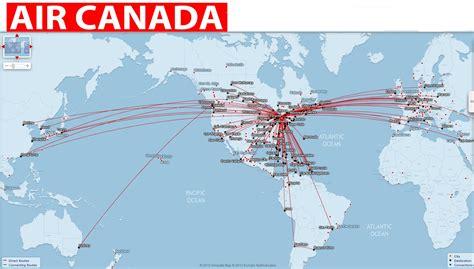
Air Canada is dramatically reshaping the long-haul travel landscape between Canada and Europe with a dynamic lineup of new seasonal and year-round routes. The airline’s strategic expansion—anchored by its robust deployment of the Airbus A330-300—connects Canadian travelers to pivotal European destinations including Stockholm, Munich, Prague, Venice, and Vienna. These routes not only enhance Air Canada’s dominance across the Atlantic but also underscore its role as a forward-thinking leader in international aviation.
A Bold Vision for Transatlantic Travel from Canada
Air Canada’s international push is centered around Toronto Pearson International Airport (YYZ), the airline’s busiest hub, as well as Montreal Trudeau (YUL) and Vancouver International Airport (YVR). These airports now serve as the primary gateways linking Canada to the heart of Europe. Through new direct services, Air Canada offers passengers nonstop access to major cities across five key countries: Sweden, Germany, Czech Republic, Italy, and Austria.
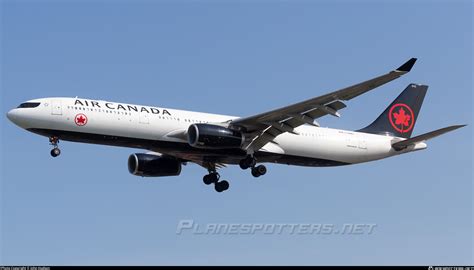
The carrier’s utilization of the Airbus A330-300, a workhorse of its widebody fleet, has been crucial in executing this vision. Although averaging 18.1 years in age, the A330-300 remains an essential player in Air Canada’s intercontinental operations due to its high reliability, solid fuel efficiency, and substantial seating capacity.
Stockholm Gets Seasonal Liftoff from Toronto
The launch of a seasonal Toronto-Stockholm route positions Air Canada as a vital bridge between North America and Scandinavia. The route to Stockholm Arlanda Airport (ARN) operates four times weekly using the Airbus A330-300. Covering 3,934 miles, each flight averages eight hours eastbound and provides a total of 4,752 seats in June alone.
This connection supports Scandinavian tourism and business travel while offering access to a broader regional network through Star Alliance partners. Airlines such as Lufthansa, United Airlines, and Delta Air Lines also serve ARN, but Air Canada’s entry adds substantial transatlantic seat capacity.

Frankfurt Remains a Powerhouse Route for A330 Fleet
The Toronto-Frankfurt route remains the most frequented destination for Air Canada’s A330-300. Operating up to 50 times per month, it delivers 14,850 seats and 58.7 million available seat miles (ASM) in June. Spanning 3,953 miles, this key corridor benefits from a joint venture with Lufthansa, streamlining inter-European connections from Germany’s largest hub.
The heavy volume of traffic—both leisure and business—solidifies Frankfurt as a strategic anchor point in Air Canada’s European network. This route exemplifies the synergy between Canadian and German aviation interests under the Star Alliance umbrella.
Venetian Dual-Gateway: Toronto and Montreal to Venice
Air Canada’s dual-pronged approach to Italy includes seasonal services to Venice from both Toronto and Montreal. The Montreal-Venice route, flown four times weekly, spans 3,963 miles and accounts for 4,158 seats in June. Simultaneously, the Toronto-Venice leg—also seasonal—adds another 4,752 seats, reinforcing Venice’s status as a magnet for Canadian leisure travelers.

These routes are timed to summer demand, feeding the high-value tourism market in northern Italy. Competing services from Air Transat, Delta, and American Airlines are now joined by Air Canada’s premium offering, which benefits from seamless connections via its extensive domestic and U.S. codeshare network.
Munich Route Deepens Ties with Bavaria
Air Canada’s Toronto-Munich service is a year-round operation that opens direct access to southern Germany, a region rich in industry, culture, and tourism. The 4,138-mile flight runs seven times weekly, delivering 7,722 seats and 31.9 million ASM for June. Munich Airport serves as Lufthansa’s second major hub, enabling broad connectivity across Europe, the Middle East, and Asia.
This service strengthens Canada’s bilateral ties with Bavaria while supporting business partnerships, conferences, and German-Canadian commerce.
Prague Secures Canada’s Sole Direct Link to the Czech Republic
One of the most culturally significant additions is Air Canada’s seasonal service from Toronto to Prague Vaclav Havel Airport (PRG). Operating three times weekly, this 4,165-mile flight offers 3,267 seats and 13.6 million ASM during June. As the only direct link between Canada and the Czech Republic, this route opens unprecedented opportunities for tourism, academic exchange, and trade.
Air Canada competes with Delta Air Lines’ seasonal service from JFK, but its direct Toronto route fills a critical transatlantic void. The city’s rich architecture, historic sites, and rising global profile make it an invaluable addition to Air Canada’s European roster.
Toronto-Vienna Offers Year-Round Gateway to Central Europe
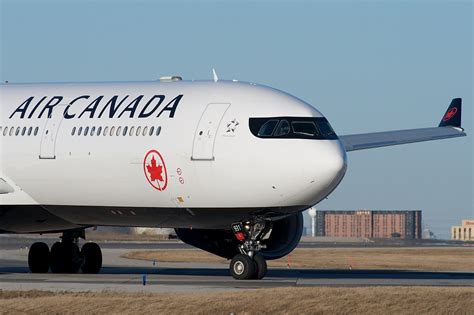
The Toronto to Vienna route, served year-round and daily in summer, reflects Air Canada’s commitment to connecting with Central Europe. This 4,329-mile journey provides 8,910 seats in June and over 38.5 million ASM. The A330-300’s spacious cabin and cargo capacity make it ideal for Vienna-bound passengers and goods.
Partnerships with Austrian Airlines (a Lufthansa Group carrier) extend connectivity well beyond Vienna to cities across the Balkans and Eastern Europe, making this route strategically vital for both business logistics and tourism economies.
Star Alliance: A Competitive Edge in Seamless Travel
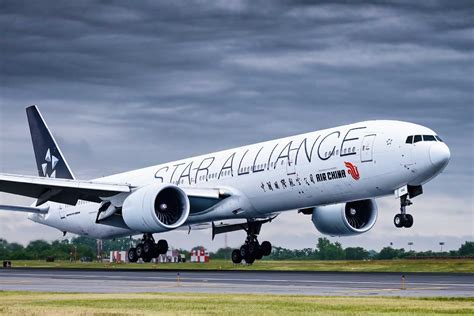
A major differentiator in Air Canada’s transatlantic performance is its Star Alliance membership. The airline’s integration with partners like Lufthansa, Austrian Airlines, and SAS allows it to offer coordinated schedules, reciprocal frequent flyer benefits, and interline baggage handling. This level of cooperation boosts passenger satisfaction and retention.
Whether passengers are flying into Europe or connecting onward, they benefit from synchronized transfer windows and elite lounges shared among alliance members, solidifying Air Canada’s premium brand positioning in the long-haul sector.
Airbus A330: Aging, Yet Central to Expansion Strategy
Despite its maturity, the Airbus A330-300 remains a backbone aircraft in Air Canada’s fleet of over 200 planes. Its blend of operational efficiency, high seating capacity, and solid range makes it ideal for European missions. Though newer aircraft like the Boeing 787 Dreamliner (average age 8.1 years) now headline Air Canada’s innovation efforts, the A330 continues to shoulder major route launches with confidence.
The aircraft’s proven record and broad pilot base also lower transition costs, enabling Air Canada to scale routes quickly with familiar technology while awaiting deliveries of next-gen aircraft.
Conclusion: A Transatlantic Rebirth Led by Canada’s Flag Carrier
Air Canada’s bold expansion into Sweden, Germany, Italy, Austria, and the Czech Republic signals a renaissance in transatlantic travel. With a network rooted in major Canadian cities and empowered by strategic aircraft deployment, the airline is positioning itself as the premier choice for North Americans bound for Europe. These new services, particularly during high-demand months, serve as more than seasonal fillers—they are long-term infrastructure investments in Canada’s global connectivity.
By leveraging the Airbus A330-300, strong Star Alliance partnerships, and hub synergies at Toronto, Montreal, and Vancouver, Air Canada is not merely offering more flights. It is redefining what long-haul travel means for Canada, Europe, and the broader international aviation sector.