The US-Europe air travel market is experiencing a surprising shift as airlines quietly remove dozens of transatlantic routes despite continued demand for international travel. According to Cirium Diio data, nearly 40 scheduled passenger airlines are expected to operate between the United States and Europe in Q3 2026, offering an average of 609 daily departures. However, the overall increase is minimal, with capacity rising only 0.3% compared with the previous year.
The timing of these changes is particularly significant. The third quarter, covering July through September, is traditionally the strongest financial period for airlines because travelers are willing to pay higher fares during the peak summer season. These months often generate the revenue needed to offset weaker winter performance. Yet, airlines are becoming more selective, cutting routes that fail to deliver strong profitability or strategic value.
The latest analysis reveals that 29 US-Europe flight routes have been removed from schedules compared with Q3 2025. None of these routes have simply moved to another seasonal period, meaning they represent genuine reductions in nonstop connectivity between the two regions.
European Airlines Account for Most Transatlantic Route Cuts
European carriers represent the majority of discontinued services, accounting for 24 of the 29 cancelled routes. Several factors explain this trend, including weaker performance on certain city pairs, rising operating costs, and increased competition from larger network airlines.
The collapse of Icelandic low-cost carrier PLAY played a major role in the reduction. PLAY had operated three US routes during the same period in 2025, all of which disappeared after the airline ended operations. Together with the cancellation of an Icelandair service, Keflavík International Airport lost four US connections, representing a noticeable decline from Iceland’s previous role as a transatlantic low-cost gateway.
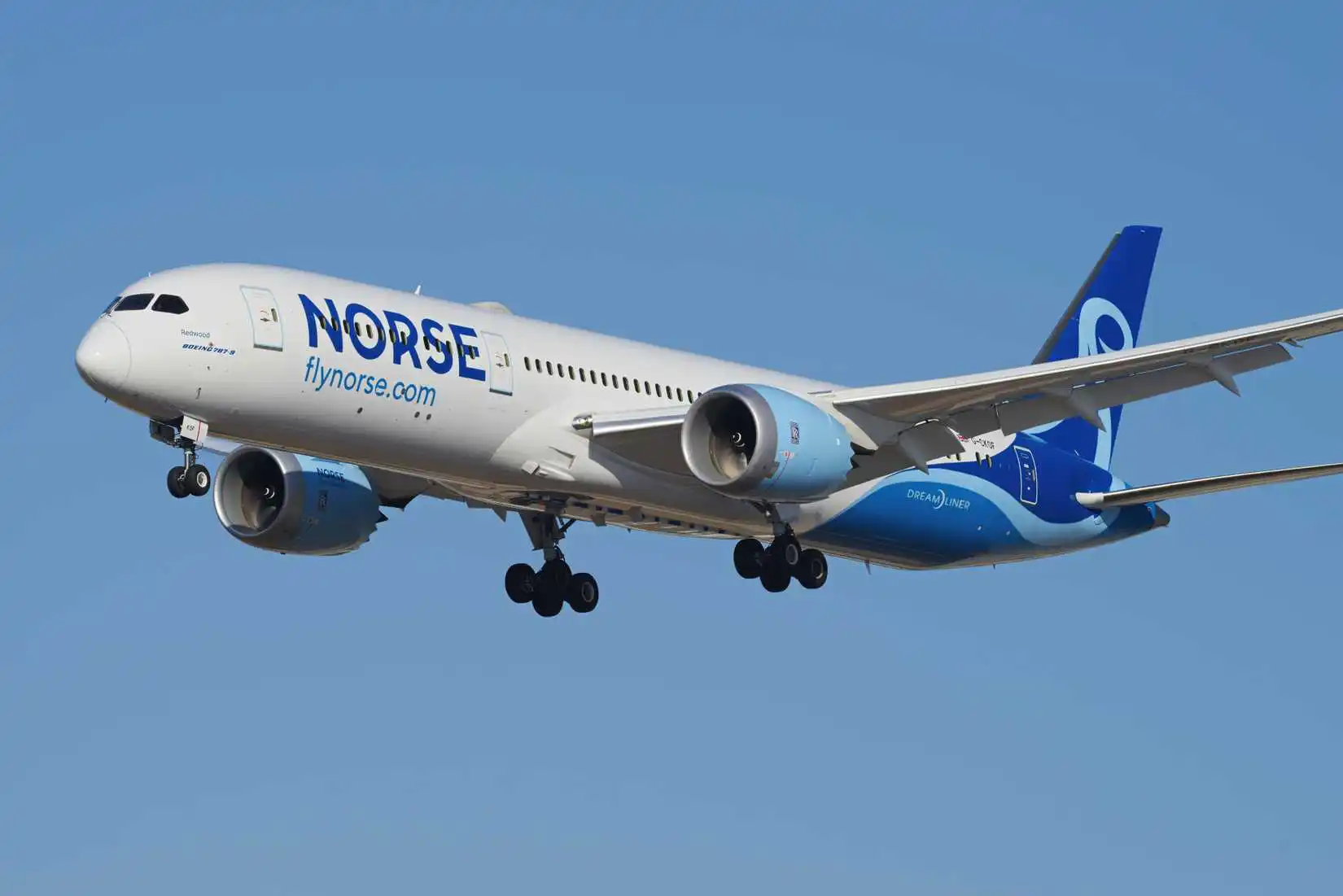
London Gatwick Airport experienced the largest concentration of cuts. Delta Air Lines withdrew from the airport, while British Airways ended two routes. Meanwhile, Norse Atlantic Airways reduced several services after aggressively expanding into markets that struggled to achieve sustainable performance.

The Full List of European Route Cancellations
Several cancellations highlight how airlines are adjusting their strategies rather than simply reducing capacity. Some routes disappeared because another carrier entered the market, while others failed to generate enough passenger demand.
Aer Lingus ended its remaining transatlantic operations from Manchester Airport, removing flights to New York and Orlando. The decision reflected a broader network restructuring rather than only weak demand.
Meanwhile, Iberojet stopped operating its Madrid-Orlando service after Iberia entered the same market in October 2025. Competition from a larger national carrier made continuation difficult.
Another example involved Neos, which chose not to restart its seasonal Bari-New York service after United Airlines announced a competing Newark-Bari route. The arrival of a major global airline changed the competitive landscape and reduced the need for Neos to continue.
Other discontinued European services included routes operated by Azores Airlines, Discover, Edelweiss, Condor, TUI, Icelandair, and LEVEL. These cuts affected destinations including New York, Los Angeles, Miami, Denver, Seattle, San Francisco, Detroit, and Baltimore.
US Airlines Also Reduce European Flying
Although European airlines account for most cancellations, US carriers have also trimmed several international routes. Five US-Europe routes disappeared during the same period as airlines focused on stronger-performing markets.
United Airlines ended its Newark-Stockholm service in August 2025. The route was notable because it represented the longest transatlantic operation ever flown by a Boeing 757. The withdrawal followed changes in alliance competition after Scandinavian Airlines shifted from Star Alliance to SkyTeam.
Delta Air Lines also reduced its presence in Europe. The airline ended its New York JFK-London Gatwick route after facing heavy competition from British Airways, JetBlue, and Norse Atlantic. With multiple carriers fighting for passengers at Gatwick, consolidation toward larger hubs such as London Heathrow Airport became a logical move.
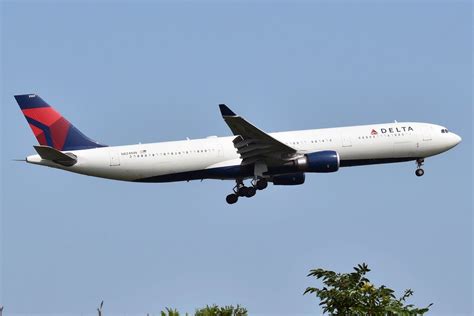
Delta later removed flights between New York and Geneva, followed by New York-Brussels service. While these routes disappeared from its network, Delta continues serving important European markets through stronger hubs such as Atlanta.
Why Airlines Are Quietly Reshaping Transatlantic Networks
The disappearance of these 29 routes does not necessarily indicate declining interest in Europe travel. Instead, it reflects a more disciplined approach from airlines facing higher fuel expenses, labor costs, and aircraft limitations.
Modern airlines increasingly evaluate routes based on profitability rather than prestige. A nonstop connection may attract attention, but if average fares remain low and aircraft utilization is weak, maintaining the service becomes difficult.
The post-pandemic aviation environment has also changed competition. Low-cost long-haul airlines attempted to capture demand with inexpensive transatlantic fares, but many struggled to maintain profitable operations. Traditional carriers are now prioritizing routes with stronger corporate demand, premium passengers, and reliable year-round performance.
The result is a more carefully managed transatlantic market. While some cities lose direct connections, major hubs continue expanding as airlines concentrate resources where they can achieve better financial returns.
The 29 cancelled US-Europe routes represent a quiet transformation rather than a collapse. Airlines are not abandoning transatlantic travel; they are refining it. In the coming years, passengers may see fewer experimental routes but stronger investment in services that prove commercially successful.