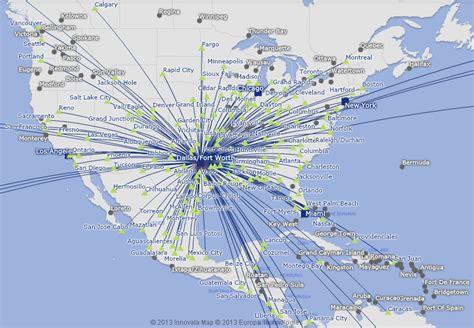
For years, American Airlines offered travelers a clear, interactive Destinations Map, allowing easy exploration of the airline’s vast route network. Whether searching for new destinations or identifying nearby alternative airports, the map served as an indispensable tool. Yet, much to the confusion of many frequent flyers and casual travelers alike, this resource vanished from the airline’s website, leaving users scrambling for solutions.
The Disappearance of the American Airlines Destinations Map
The question perplexing many travelers is simple: Why did the American Airlines Destinations Map vanish? Previously, users could easily visualize American Airlines’ entire network, exploring both domestic and international routes in a clean, graphic interface. However, in recent years, the map has seemingly vanished without official explanation. This change is not unique to American Airlines alone. Competitors within the Oneworld Alliance, as well as other global carriers, have similarly removed their route maps.
Several possible reasons explain this disappearance:
- Website Redesign and Simplification: Airlines have streamlined websites, focusing on direct flight booking paths instead of interactive tools that may divert users from purchase funnels.
- Third-Party Integration Issues: The earlier maps often relied on external vendors providing route map technology. Licensing challenges or cost-saving initiatives might have led to discontinuation.
- Focus on Mobile Experience: With the majority of bookings shifting to mobile platforms, interactive maps—which can be cumbersome on small screens—have been deprioritized in favor of simple booking engines.
While American Airlines has yet to confirm any definitive reason, travelers continue to express frustration in forums like r/americanairlines.
What Tools Are Available to Replace the Old Destinations Map?
Without an official American Airlines destinations map, travelers must now rely on alternative resources. These options, while not perfect, can help fill the void left by the map’s disappearance.
1. AA Fare Finder Map
Hidden deep within American Airlines’ website, the Fare Finder Map exists as a partially functional alternative. It allows users to search for destinations based on price thresholds or general areas but lacks the seamless visual overview of the old route map.
Many users, however, report issues with this tool, ranging from loading failures to incomplete data rendering. It is far from the comprehensive solution many travelers seek.
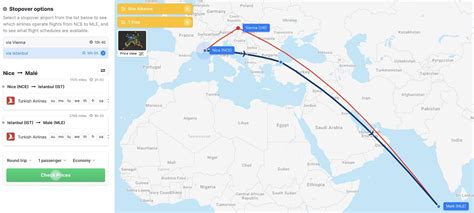
2. FlightConnections.com
Among the most reliable third-party tools is FlightConnections.com, widely used not just by travelers but even by airline employees.
- Features:
- Interactive global map
- Search by airline, airport, or alliance
- Displays both direct flights and connecting routes
- Downsides:
- Some route data may lag behind real-time schedule changes
- Premium features require subscription access
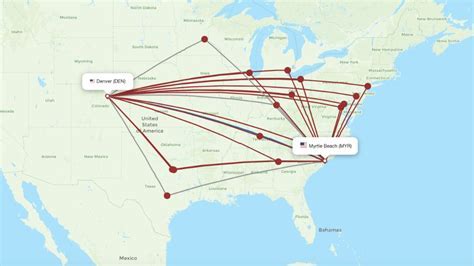
FlightConnections provides arguably the best functional replacement for AA’s original map.
3. Google Flights Map View
Though not AA-specific, Google Flights includes a map-based search mode that visually displays flights from a chosen origin. Using filters, travelers can narrow searches to Oneworld airlines or even specifically to American Airlines, albeit indirectly.
- Pros:
- Real-time price integration
- Multi-airline and multi-airport visibility
- Cons:
- Not focused solely on route visualization
- Complex if trying to view AA network only
Why Airline Route Maps Are Disappearing Industry-Wide
The loss of the AA destinations map reflects a broader industry shift. Multiple airlines, including major Oneworld members like British Airways and Qantas, have similarly retired or buried their route maps. The motivation seems to be commercially driven:
- Pushing Direct Booking: Airlines now focus on simplifying booking pathways, removing features that don’t directly lead to revenue conversion.
- Mobile First Approach: Route maps often underperform on mobile, where swipe-and-search is preferred over interactive click maps.
- Third-Party Dependency Issues: Maintaining an accurate, dynamic destinations map requires data partnerships that can be both costly and technically complex.
- Customer Segmentation: Most travelers no longer explore general route networks but instead search with specific destinations in mind, reducing the perceived utility of route maps.

Strategies to Navigate AA Routes Without a Destinations Map
For travelers determined to explore American Airlines’ network, certain strategies can replicate the experience of the old destinations map:
- Use FlightConnections.com for visual browsing of AA’s network.
- Leverage the AA Fare Finder Map, acknowledging its current limitations.
- Rely on Google Flights Map View for a price-driven alternative.
- Bookmark AA’s Route Overview pages, though these are mostly text lists.
- Consult Oneworld Alliance tools, as these cover AA as part of their global network.
Moreover, frequent flyers should subscribe to AAdvantage loyalty updates, as promotions and route launches are often announced there first.
The Future of American Airlines Route Discovery
While the disappearance of the official AA Destinations Map frustrates many, there is hope for future tools to emerge. As airlines increasingly integrate AI and dynamic interfaces into their digital platforms, route visualization may eventually return in more advanced forms, optimized for mobile-first travelers. Until then, resourceful travelers must rely on third-party platforms or manual searches.
Ultimately, American Airlines’ extensive network spanning the Americas, Europe, Asia, and beyond remains robust. The challenge today lies not in where AA flies, but in how easily potential passengers can discover those routes.
Conclusion: Finding Where American Airlines Flies Requires Effort
The vanishing of the American Airlines Destinations Map represents a quiet yet significant shift in how airlines interact with their customers. For those nostalgic for the simplicity of visual route exploration, third-party platforms like FlightConnections.com remain the best alternative.
However, American Airlines loyalists and AAdvantage frequent flyers must now accept a more fragmented experience, using a combination of fare finders, alliance partners’ tools, and general search engines to uncover route possibilities.
In an age where seamless digital experiences dominate, the lack of a comprehensive official map is surprising—but perhaps not permanent. With growing user dissatisfaction evident across forums and traveler communities, pressure may eventually prompt American Airlines to reconsider offering a modernized, interactive route map once more.