We revisit one of the most dramatic endings in aviation history — the fall of Pan American World Airways, the carrier once regarded as the embodiment of American aviation ambition. For decades, Pan Am symbolized modern travel, innovation and global connectivity. Its shutdown on December 4, 1991 did not just mark the end of an airline — it marked the end of a cultural myth. The story of Pan Am is one of stunning growth, bold ambition, costly missteps and external shocks that compounded at the worst possible moment. This story still dominates aviation case studies today, and even now, 34 years later, the fall of Pan Am is both a cautionary tale and a nostalgic memory of aviation’s golden age.
Pan Am did not simply fly routes — it built them. It expanded into continents when others hesitated, crossed oceans others had never attempted, and turned the jet age into a mainstream reality. Yet, the strengths that built the airline would later become liabilities when deregulation, competition and global crises arrived in sequence. As we assess its rise, peak and collapse, we seek not only to understand why Pan Am ceased operations, but why it continues to matter three decades later.
Pan Am remains a brand frozen in perfect retro glamour, even though its business ultimately collapsed under weight it could no longer carry.
The Rise: From Airmail Operator to Flag-Bearing Global Pioneer
Pan Am began in 1927, operating a modest mail service between Key West and Havana. Within years, the airline evolved into the primary U.S. international carrier — a leap powered by vision, diplomacy and relentless expansion. Under the influence of Juan Trippe, Pan Am secured landing rights few airlines could dream of in that era, stitching continents together before long-haul flight was considered routine.
We observe how the ocean became Pan Am’s runway. During the 1930s, the airline operated massive Clipper flying boats, bridging cities without needing traditional airfields. These aircraft carried passengers across oceans when no other commercial carrier could. From Latin America to Asia, the airline brought new destinations into commercial reach, shaping global aviation’s earliest route map.
Pan Am built more than a route network — it built the idea of world travel.
Peak Power: The Jet Age and the Airline That Defined Luxury
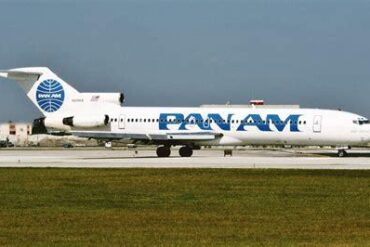
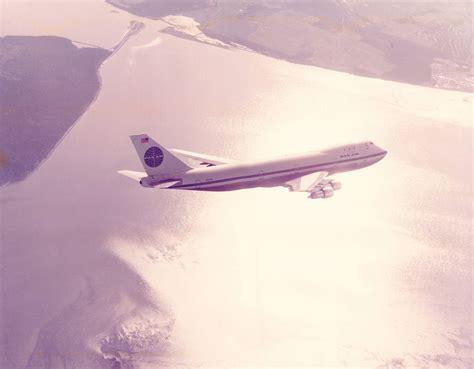
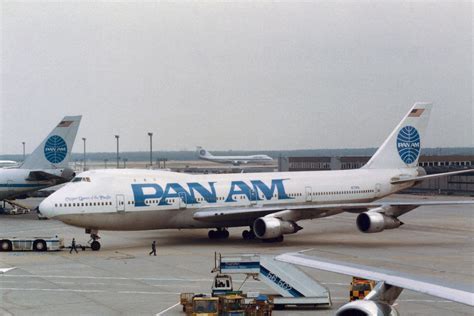
By the late 1960s and early 1970s, Pan Am reached the height of its glory. With nearly 150 jets serving 86 countries, and with its blue globe recognizably painted across global terminals, Pan Am stood unmatched in scope and prestige. The introduction of the Boeing 707 cemented the airline’s leadership in the jet age, but the Boeing 747 elevated it into cultural legend.
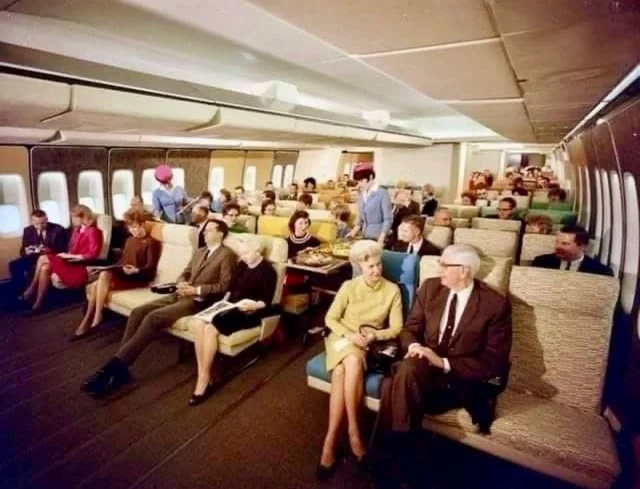
The jumbo jet allowed mass-scale intercontinental travel, and Pan Am turned it into an experience rather than a flight. We remember white-gloved crews, signature lounges, and an environment more closely resembling a flying embassy than a commercial cabin. At its peak, Pan Am was not merely an airline — it was an experience of class, modernity and American identity.
Yet the seeds of challenge were already planted beneath the glamour.
The Fatal Gap: No Domestic Network, No Feeder Traffic
Airline deregulation in 1978 changed the U.S. industry overnight. Competition intensified, fares dropped, and carriers with strong domestic networks thrived because they could feed passengers into international flights. Pan Am, however, had almost no domestic backbone. Its empire was built outward rather than inward.
Competitors like American and United could funnel passengers across the country and into transatlantic operations automatically. Pan Am instead relied on international travel demand that fluctuated seasonally and economically. Without steady feeder traffic, it struggled to fill widebody aircraft at profitable load factors.
To solve the problem, Pan Am purchased National Airlines in 1980 — an attempt to instantly acquire a domestic pipeline. The acquisition was costly, integration was complex, and debt swelled. A decision meant to save the airline instead chained a heavy weight to its finances.
A Financial Slide Hidden Behind Prestige
Through the early 1980s, Pan Am maintained global presence, but profitability withered. International operations meant high fixed costs — foreign stations, staff, maintenance and fuel exposure — and when downturns hit, there was no buffer. Every revenue swing struck harder, leaving the airline fragile.
To generate cash, Pan Am began selling its prized assets. The crown jewels went first: Asian routes, Pacific authority, and eventually even transatlantic services. What made Pan Am powerful was sold piece by piece to stay alive. Each sale bought time, but weakened the airline’s core identity.
Prestige can survive many things — but not shrinking relevance.
Shock One: Lockerbie
Then came the disaster that accelerated the downward spiral. On December 21, 1988, Pan Am Flight 103 was destroyed by a bomb over Lockerbie, Scotland, killing 270 people. Beyond the tragedy, the incident permanently damaged public confidence. Lawsuits, investigations and security expenses piled up. Revenue bled, costs rose, and the Pan Am brand — once a symbol of safety and modernity — now appeared vulnerable.
We recognize that no airline could endure this blow easily. For Pan Am, already weakened, it was catastrophic.

Shock Two: The Gulf Crisis and Fuel Price Explosion
In 1990–1991, global tension surged as the Gulf War began. Fuel prices skyrocketed, punishing carriers operating long-haul widebodies. Pan Am, with its global footprint and already thin margins, could not absorb the cost. Per-seat expenses soared, load factors weakened, and the airline fell into untenable losses.
In January 1991, Pan Am filed for Chapter 11 bankruptcy protection, hoping to restructure into a smaller but sustainable airline. Delta Air Lines purchased transatlantic operations and the Northeast Shuttle — assets Pan Am depended on for survival. A slimmed-down Pan Am relaunched on November 1, 1991, centered around Miami international routes. Yet confidence evaporated, financing collapsed and restructure plans failed.
On December 4, 1991, Pan Am ceased operations permanently.
A Brand Ends, But Its Shadow Stays Immense
No aircraft with Pan Am livery remains in commercial service, but the airline’s legacy is alive across the modern aviation landscape. The transatlantic corridor built by Pan Am is still the backbone of U.S.–Europe commercial flow. The Future Air Navigation Systems, jet operations norms and widebody standards owe much to Pan Am’s innovation.
We cannot walk through an international terminal today without seeing Pan Am influence — lounges, branding, unified branding aesthetics, long-haul cabin services, and even the business model of global connectivity. Delta absorbed routes and infrastructure, but cultural memory remains tied to Pan Am more deeply than any successor.
Pan Am is no longer airborne, yet its echo continues to circle the globe.

Why Pan Am Fell: Compressed Into One Hard Truth
Pan Am did not die for one reason. It died because many pressures converged:
- No domestic feeder network to stabilize traffic
- Debt from the National Airlines acquisition
- Reliance on expensive widebody long-haul operations
- Asset sales that weakened network power
- The 1988 Lockerbie disaster and loss of confidence
- Fuel price shocks during the 1990–1991 Gulf crisis
When all collapsed together, Pan Am could not withstand the storm.
The Legacy 34 Years Later
Pan Am’s name still sparks awe. It evokes glamour, uniform precision, a white globe spinning against sky-blue fuselages. It evokes the era when international travel felt elite, adventurous, futuristic. Pan Am democratized the clouds, moving aviation from an aristocratic novelty into a mainstream expectation.
The most defining irony remains that the airline that made long-haul flight accessible to the world could not sustain itself in the world it helped create.
We examine its legacy not as a tragedy, but as a monument to ambition — proof that global aviation was built on vision before profit. Pan Am failed in business, but succeeded in shaping the industry permanently. Without Pan Am, the modern aviation map would be unrecognizable.
In the end, Pan Am became history — but never disappeared. Its story lives in museum wings, flight academies, retro fashion, documentaries, airport lore and every long-haul aircraft that crosses the Atlantic ocean today. We respect that the airline ended, but we honor the sky-path it carved for all future carriers.
Pan Am ceased operations. Its influence never did.