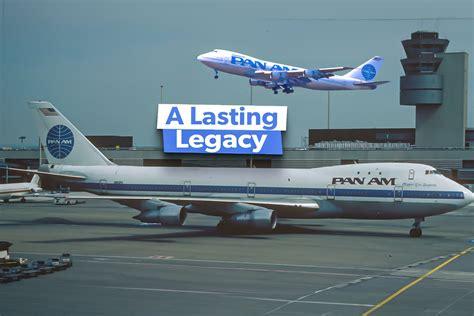
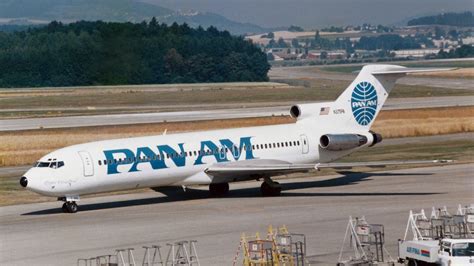
Few names in aviation history command as much nostalgic reverence as Pan American World Airways. Known worldwide simply as Pan Am, the airline that once defined luxury international travel vanished from runways in 1991. Now, 98 years since its founding, a bold plan is underway to resurrect the iconic American carrier. Pan Am Brands, in partnership with AVi8 Air Capital, has initiated a strategic evaluation to bring the airline back to life as a scheduled commercial operator.
This ambitious move seeks to marry legacy with innovation, aiming to reintroduce Pan Am to the skies with a modern, sustainable, and competitive business model. If successful, this revival will represent not just the return of a defunct airline, but the resurrection of a brand that once defined the golden era of air travel.
A Partnership to Rebuild the Wings of History
The initiative is being spearheaded by Pan Am Global Holdings, the custodian of the Pan Am intellectual property, in alliance with AVi8 Air Capital, a seasoned aviation merchant bank with expertise in startup airlines, certification, and capital planning. Together, they are crafting a comprehensive plan that evaluates operational, financial, and infrastructural needs.
Pan Am CEO Craig Carter has been vocal about honoring the airline’s storied past while preparing it for today’s complex market. “We aim to bring back the Pan Am experience in a way that honors its legacy of service excellence and global reach,” Carter said. The revival is not envisioned as a museum piece or nostalgic gimmick, but rather a robust commercial player fit for the 21st-century aviation landscape.
Evaluating Feasibility in a Changed Market
The relaunch feasibility study revolves around a set of critical factors that could determine whether Pan Am can soar once again:
- Fleet Modernization: The airline must pivot from the fuel-thirsty jets of yesteryear to next-generation aircraft that comply with sustainability mandates and reduce operating costs.
- Route Strategy: Potential relaunch routes are expected to include legacy Pan Am hubs such as New York-JFK and Miami, but with a refreshed focus on underserved premium markets and high-demand long-haul corridors.
- Regulatory Certification: Pan Am must obtain FAA Part 121 certification, a complex and tightly regulated process that requires stringent compliance across safety, training, and maintenance standards.
- Financial Modeling: Capital acquisition strategies are under review for leasing modern aircraft, building infrastructure, hiring personnel, and executing brand marketing campaigns.
- Operational Readiness: This includes evaluating ground support partnerships, airport gate negotiations, crew logistics, and backend systems capable of competing with digitally agile carriers.
Legacy as a Double-Edged Sword
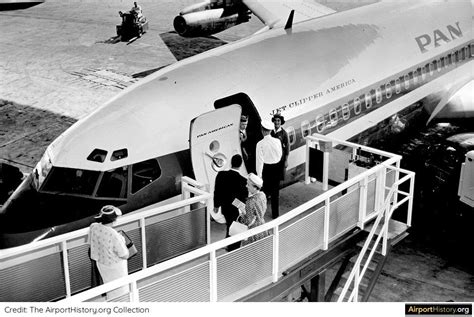
Pan Am’s unmatched heritage offers significant brand equity, but it also presents a challenge. The memory of white-glove service, crisp uniforms, globe-spanning routes, and the signature blue globe livery builds high expectations. If the revived Pan Am falls short, it could tarnish rather than amplify the brand.
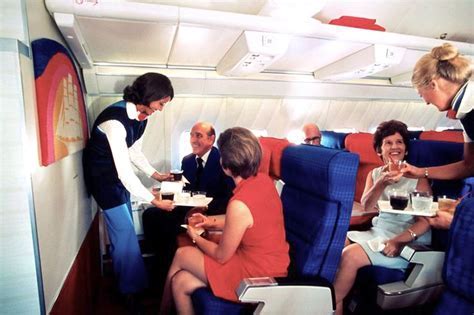
Yet, in a crowded marketplace dominated by low-cost models and razor-thin profit margins, heritage may also be Pan Am’s greatest asset. The possibility of reviving the refined in-flight experience—perhaps with a modern twist—could help differentiate the carrier from no-frills competitors.
AVi8 Air Capital understands these nuances and is helping develop a framework where Pan Am’s premium positioning is not just a gimmick, but a strategic market differentiator. Their track record in U.S. airline certifications and aviation asset structuring makes them a valuable partner in this high-stakes relaunch.
Modern Sustainability Meets Vintage Glamour
The new Pan Am will be lean, green, and digitally streamlined. Sustainability is a key focus. The aircraft being considered will almost certainly include next-gen narrowbodies and fuel-efficient widebodies, likely from Airbus’s A321XLR line or Boeing’s 787 family.
This shift is not merely about optics. Environmental regulation, carbon offset mandates, and passenger demand for greener travel are reshaping the industry. Pan Am’s return must be aligned with these realities or risk irrelevance from day one.
Additionally, a tech-forward infrastructure is expected. That means mobile-first booking engines, AI-assisted customer service, and dynamic pricing models—all essential components in a competitive post-pandemic aviation world.

Network Planning and Geographic Ambition
With a base in Newport Beach, California, Pan Am Global Holdings has hinted at a phased approach. The first routes could connect major U.S. markets, with ambitions to re-enter transatlantic and transpacific sectors once operational stability is achieved.
New York-JFK and Miami are natural launching pads, not only due to their historical connection to Pan Am, but also their strategic location for international hub traffic. Both airports serve as gateways to Latin America, Europe, and the Caribbean—markets where Pan Am once thrived.
The new Pan Am would likely avoid the pitfall of overexpansion that doomed so many legacy relaunches. Instead, by focusing on network profitability over geographic nostalgia, the airline could build a sustainable presence that grows with market demand rather than romantic ambition.
From Branding to Booking: The Pan Am Ecosystem
Pan Am Global Holdings has been quietly preserving and extending the Pan Am name through a network of branded experiences. These include:
- Pan Am Hotels
- Pan Am Travel
- The Pan Am Experience — an immersive retro dining and flying simulation
- Pan Am Private Jet Tours
These ventures have kept the brand in public consciousness and could serve as marketing launch pads for a real-world airline return. By integrating the airline with these lifestyle extensions, Pan Am has a chance to build a travel ecosystem that transcends ticket sales and creates emotional brand loyalty.
Can Pan Am Fly Again in a Post-Pandemic Sky?
Today’s commercial aviation industry is more brutal than ever. Consolidation, rising fuel prices, volatile labor markets, and digitized operations demand precision and capital. The pandemic further compressed margins and altered customer behavior.
Yet in this new landscape lies an opportunity. Legacy carriers are often bogged down by aging systems and bloated infrastructures, while newer entrants have no brand trust. A revived Pan Am, launched with modern tools and timeless branding, could carve out a unique mid-market niche.
AVi8’s role in ensuring a sound capital plan, aircraft strategy, and certification path is critical here. By advising on the process from inception to execution, they help mitigate risk and inject credibility into the endeavor.
Conclusion: The Dream Is Grounded, But Not Dead
Reviving Pan Am isn’t just about painting an old logo on a new plane. It’s about building a modern airline from scratch that can honor a legacy while competing ruthlessly in today’s environment. With strategic foresight, disciplined planning, and a willingness to evolve, Pan Am might just prove that legends don’t have to stay in museums.
In a market where most brands chase the future, Pan Am may be uniquely poised to sell the past as a premium service—reimagined for a modern era. And in doing so, it might find a rare altitude where heritage and profitability intersect.