Pan American World Airways, once the very symbol of aviation’s golden age, is preparing for a bold resurrection. Backed by Pan American Global Holdings and AVi8 Air Capital, the legendary carrier has taken a decisive step by entering the FAA certification process, signaling its most serious revival attempt in decades. Yet, the crux of this resurgence doesn’t lie in nostalgia—it hinges on a pragmatic and somewhat unexpected choice: the Airbus A320 family. For a brand historically tied to Boeing’s long-haul icons, this pivot could either fuel a triumphant comeback or underscore another failed resurrection.
From Jumbo Dreams to Single-Aisle Realism
The original Pan Am built its empire on widebody Boeing jets like the 707, 720, and the mighty 747, cementing its image as a pioneer of global air travel. These aircraft carried Pan Am’s blue globe across oceans, defining international air routes and luxury flying for generations. Yet, in a post-pandemic, cost-sensitive market saturated with competition, such grandeur no longer guarantees survival.
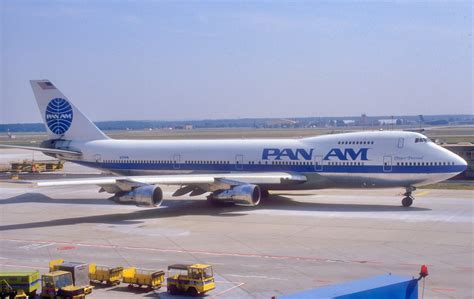
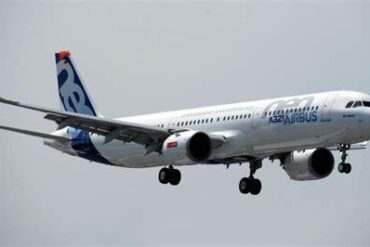
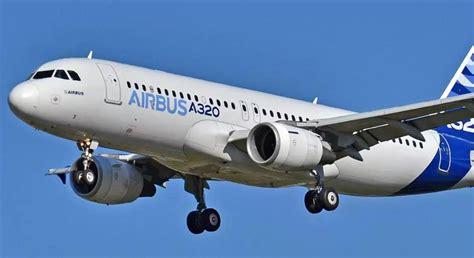
Today’s Pan Am is trading globe-straddling ambitions for economic realism. The choice to adopt Airbus A320s reflects not only a technological shift but also a strategic rethinking of what modern passengers want and what the market demands. Rather than taking to the skies with long-range heavies, the new airline is building its foundation on short to medium-haul routes, the bread and butter of modern commercial aviation.
Why the Airbus A320 Could Be Pan Am’s Secret Weapon
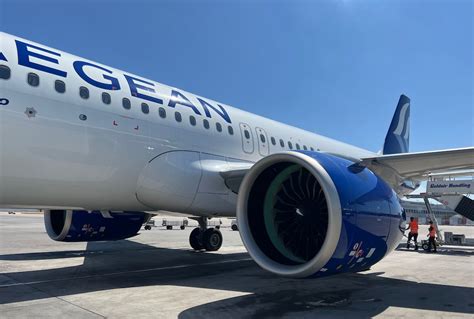
Opting for the A320 family gives Pan Am several critical advantages. These aircraft are widely used, making leasing, crew training, and maintenance more affordable and logistically manageable. With competitors like JetBlue, Frontier, and Spirit already operating large A320 fleets, parts and pilots are in ready supply, simplifying the startup process.
Operationally, the fuel efficiency, high dispatch reliability, and flexibility of the A320 family mean Pan Am can launch routes quickly, adjust frequencies easily, and maintain competitive unit costs. Importantly, they also offer a future pathway to longer-range versions like the A321LR/XLR, which can open limited long-haul service—perhaps one day rekindling the airline’s intercontinental spirit.
Shedding the Past While Echoing Its Legacy
Despite the radical fleet shift, this is not Pan Am’s first Airbus encounter. Before its 1991 collapse, the original airline operated 13 Airbus A300s, 21 A310s, and even ordered 50 A320s in 1987—a lesser-known but pivotal fleet diversification. In a way, this return to Airbus isn’t a betrayal of legacy but a continuation of an unrealized evolution.
Yet, the emotional weight of Pan Am’s name cannot be underestimated. To most, Pan Am evokes glamorous long-haul flying, exotic destinations, and impeccable service. That brand cachet is both an asset and a burden. Operating a fleet of A320s will require Pan Am to deliver not just convenience but differentiation—a business-class service, onboard experience, or loyalty program compelling enough to rise above mere nostalgia.
Certification and Challenges Ahead
The FAA certification process is rigorous and time-consuming, often taking over a year to complete. Pan Am’s team, led by Ed Wegel, brings industry experience to the table, but securing DOT and FAA approvals, establishing a reliable operational framework, and acquiring aircraft remain monumental tasks.
Wegel recently acknowledged that while the A320neo is the ultimate fleet target, engine and supply chain issues may delay that rollout. In the interim, older but dependable A320ceo models may enter service first. The airline is expected to base its operations in Florida, a region with high-density domestic and Caribbean traffic, offering fertile ground for route development.
An Airline Reborn in a Crowded Sky
Entering today’s U.S. market is not for the faint-hearted. Low-cost carriers dominate, legacy giants defend market share fiercely, and customers are increasingly cost-driven. The A320, as ubiquitous as it is efficient, offers no visual distinction, no flash of the past. That’s why Pan Am’s success may come down not to its metal, but its marketing.
Will travelers be drawn to the name alone? Or will they need to see Pan Am offer something fundamentally different—superior service, smarter pricing, smarter routing—before choosing it over entrenched players?
Key to answering this will be:
- Route Strategy: Starting with underserved or high-demand short-haul corridors will be crucial.
- Customer Experience: Nostalgia only goes so far; the new Pan Am must offer real value.
- Brand Revival: Leaning into the legacy without appearing dated or out-of-touch.
A Bridge Between Heritage and Innovation
If Pan Am successfully launches with the A320, and later adds A321LR/XLR aircraft to its fleet, it could eventually reintroduce select long-haul routes. These aircraft, with ranges up to 4,700 nm, could connect Florida or the Northeast U.S. with parts of Europe, Latin America, or even secondary Pacific markets—without the cost burden of widebodies.
This would allow Pan Am to merge its historic identity with new economic models, offering a compelling narrative: an iconic airline reborn through pragmatism and progress rather than blind allegiance to its past.
Conclusion: The Thin Line Between Glory and Ghost
For Pan Am, the Airbus A320 is more than just a plane. It’s a strategic foundation, a make-or-break platform upon which decades of nostalgia and billions in future potential now rest. This aircraft will decide whether the airline’s story continues as a new chapter—or ends as another footnote in aviation’s long ledger of failed comebacks.
The dream is bold, the tools are proven, and the name still resonates. All that remains is execution—and whether the skies will once again welcome the globe-bearing tail of Pan American World Airways.