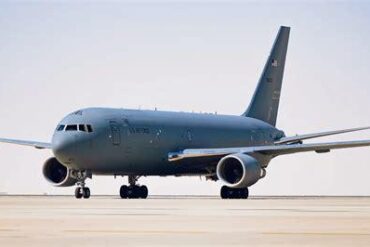
The Boeing 767 was originally designed as a commercial wide-body airliner intended to serve medium-to-long-haul passenger routes. For decades it flew quietly across global airline networks, transporting millions of travelers and cargo shipments without drawing the kind of attention often reserved for fighter jets or cutting-edge military aircraft. Yet in a remarkable twist of aviation history, this civilian airframe eventually became the backbone of the United States Air Force’s aerial refueling strategy, transforming into the KC-46 Pegasus, a modern tanker built for 21st-century warfare.
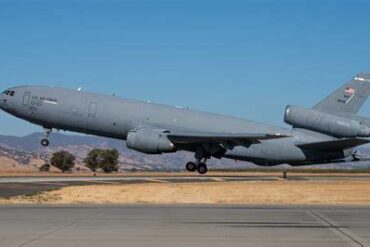
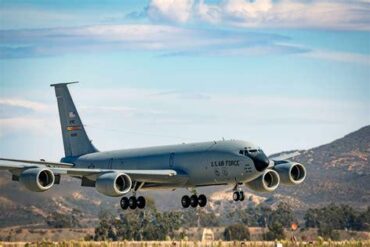
This transformation was not a straightforward engineering adaptation. Instead, it was the result of years of controversy, political battles, technological hurdles, and persistent operational need. The Air Force faced an urgent challenge: its KC-135 Stratotanker fleet, first introduced during the Cold War, had been flying since the late 1950s. While upgrades and structural maintenance kept these aircraft operational for decades, the reality was unavoidable—many of them were older than the pilots flying them.
Replacing such a critical capability would never be simple. Aerial refueling is the quiet enabler of global airpower, allowing fighters, bombers, surveillance aircraft, and transport fleets to operate across continents without landing. Without tankers, modern military aviation would be dramatically limited in range and flexibility. The Air Force needed a replacement that could carry massive amounts of fuel, integrate modern avionics, and operate safely in increasingly complex combat environments.
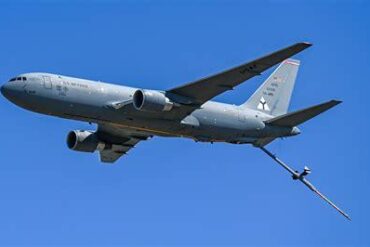
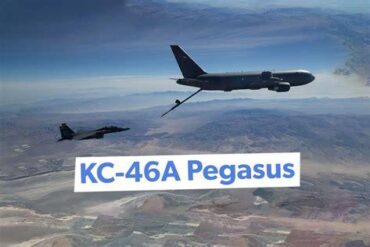
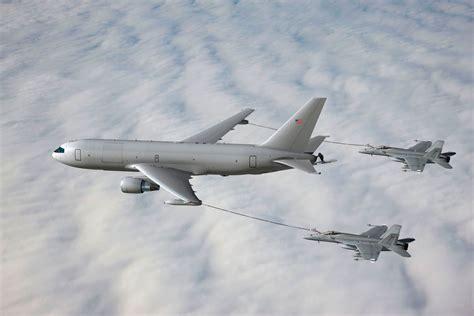
The result was the KC-46A Pegasus, a heavily modified version of the Boeing 767 capable of delivering more than 212,000 pounds of fuel, equipped with Pratt & Whitney PW4062 engines, and featuring cockpit technology derived from the Boeing 787 Dreamliner. By December 2025, the Air Force had accepted 100 aircraft into service, marking a milestone in the gradual replacement of the aging KC-135 fleet.
The Aging KC-135 Fleet And The Urgent Need For Replacement
The origins of the KC-46 program lie in a simple but pressing operational reality. The KC-135 Stratotanker, which first entered service in 1957, had become one of the longest-serving military aircraft in aviation history. Derived from the Boeing 707 family, the KC-135 was instrumental in supporting strategic bombing missions during the Cold War and later became essential in conflicts ranging from Vietnam and the Gulf War to operations in Iraq and Afghanistan.
Despite its reliability, the aircraft’s age began to create serious concerns. Airframes that had accumulated decades of flight hours required increasing maintenance. Structural corrosion, fatigue cracks, and outdated systems made sustaining the fleet progressively more expensive. Even with modernization programs, many KC-135s remained technologically rooted in a different era of aviation.
Operational demands were also evolving. Modern combat operations increasingly involve joint missions between the Air Force, Navy, and allied air forces, each operating different aircraft with different refueling requirements. The KC-135’s traditional flying boom system limited its compatibility with certain aircraft that rely on probe-and-drogue refueling systems.
At the same time, the global strategic environment was changing. Military planners recognized that future conflicts might occur in contested airspace, where tankers could no longer remain safely hundreds of miles from potential threats. New refueling aircraft would need improved defensive systems, better situational awareness, and advanced communications networks.
The Air Force therefore began exploring options to replace the aging fleet with a tanker capable of supporting modern combat aircraft such as the F-35 Lightning II, B-21 Raider, and advanced surveillance platforms. What appeared initially to be a routine procurement effort soon became one of the most controversial defense acquisition programs of the early 21st century.
The KC-767 Leasing Scandal That Stopped The Program
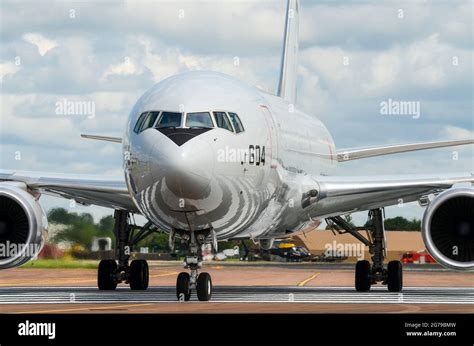
In the early 2000s, Boeing proposed adapting the Boeing 767 airframe into a tanker called the KC-767. The concept was appealing because it relied on a proven commercial platform. By modifying an existing aircraft rather than designing a completely new tanker, the Air Force could potentially accelerate deployment and reduce development risk.
The proposed plan involved a controversial leasing arrangement in which the Air Force would lease tanker aircraft instead of purchasing them outright. Supporters argued that leasing would allow the service to field new tankers quickly without requiring a massive immediate budget allocation.
However, the proposal soon became the center of a major procurement scandal.
Investigations revealed improper communications and conflicts of interest between Boeing executives and senior Pentagon officials involved in the negotiations. The controversy escalated rapidly, eventually leading to criminal convictions and widespread scrutiny of the program. In 2004, the tanker lease agreement collapsed, forcing the Air Force to cancel the arrangement entirely.
The fallout reshaped defense procurement oversight. Congressional investigations, legal actions, and political pressure delayed the tanker replacement effort for years. Boeing’s initial attempt to secure the contract had failed, and the entire modernization program had to restart from scratch.
Yet the operational need for a new tanker never disappeared. The KC-135 fleet continued aging, and the Air Force was forced to relaunch the competition under a completely new framework.
The KC-X Tanker Competition And A Bitter Rivalry
The restarted tanker program, known as the KC-X competition, became one of the most intense procurement battles in modern aerospace history. Boeing returned with an updated tanker proposal based on the 767 platform, while a powerful competitor emerged in the form of a partnership between Northrop Grumman and EADS (later Airbus).
Their proposal was based on the Airbus A330 Multi Role Tanker Transport (MRTT), a larger aircraft capable of carrying more fuel and cargo than Boeing’s design. In 2008, the Air Force announced that the Northrop-EADS team had won the contract, delivering a surprising defeat for Boeing.
The decision sparked immediate controversy. Critics argued that awarding such a major defense contract to a consortium tied to a European manufacturer raised concerns about industrial policy, domestic jobs, and national security implications. Boeing filed a formal protest with the U.S. Government Accountability Office (GAO).
In a rare and consequential ruling, the GAO upheld Boeing’s protest, finding significant flaws in the evaluation process used by the Air Force. The decision forced the Pentagon to reopen the competition, resetting the entire process once again.
After a revised evaluation, the Air Force announced in 2011 that Boeing had won the KC-X contract, securing a deal for 179 KC-46A aircraft under a fixed-price contract structure. The agreement protected the government from cost overruns but shifted significant financial risk onto Boeing.
That risk would soon become very real.
Reinventing The 767 Into The KC-46 Pegasus
Turning the Boeing 767-200ER into the KC-46A Pegasus required extensive engineering modifications. Although the aircraft retained the basic airframe shape of the commercial jet, the internal structure, avionics, and mission systems were significantly redesigned.
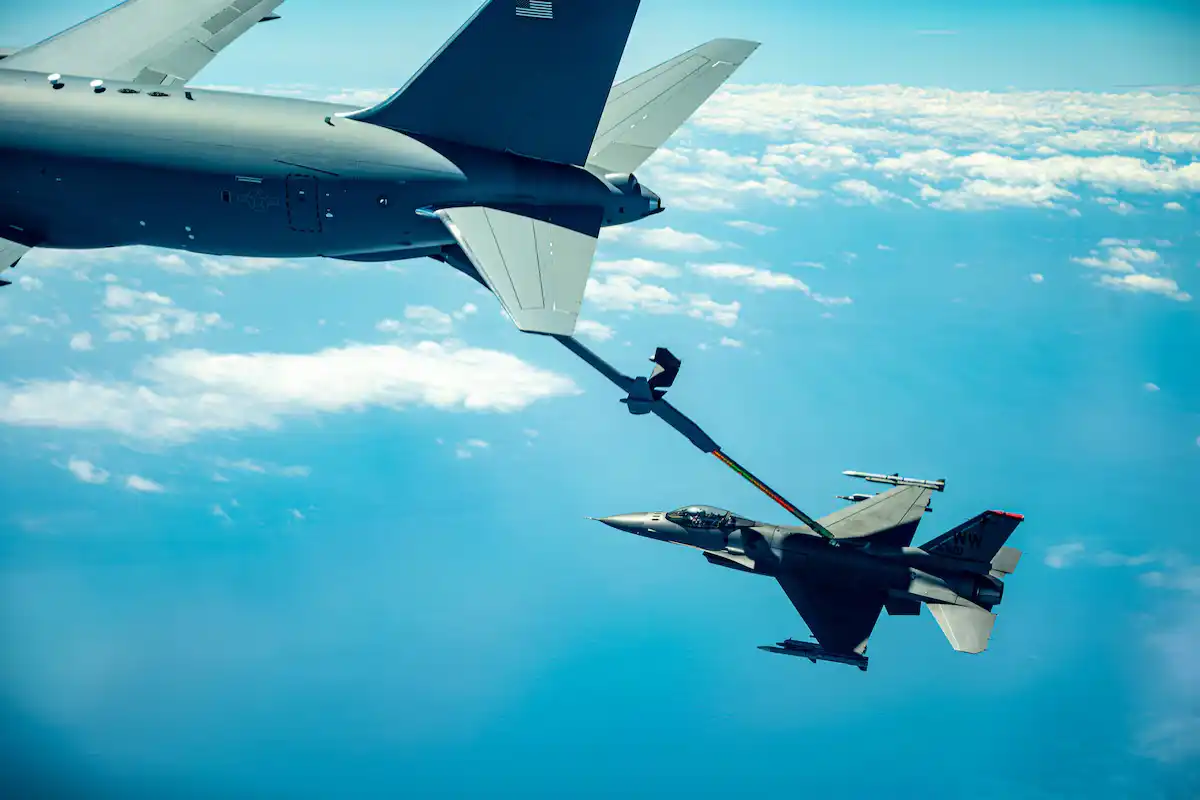
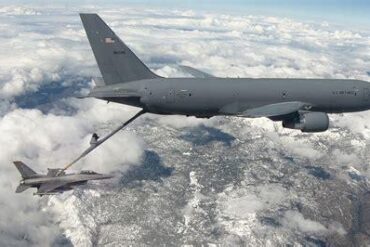
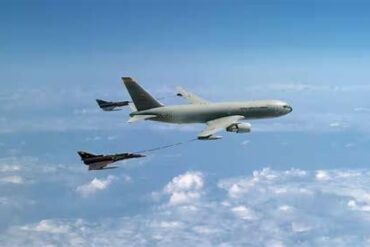
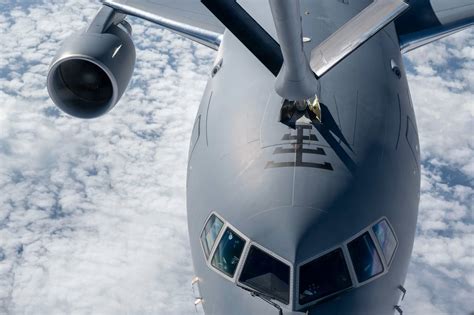
One of the most important improvements lies in the refueling system itself. The KC-46 features a fly-by-wire refueling boom, replacing the mechanically controlled systems used on older tankers. This advanced system allows operators to conduct fuel transfers with far greater precision and efficiency.
The Pegasus also includes a probe-and-drogue refueling capability, dramatically expanding the types of aircraft it can support. This dual-system design enables the tanker to refuel U.S. Navy aircraft, Marine Corps jets, and allied aircraft, making it far more versatile during coalition operations.
Inside the cockpit, the transformation is even more visible. Drawing heavily from the Boeing 787 Dreamliner, the KC-46 cockpit features large digital displays, modern avionics, and advanced navigation systems. These upgrades significantly improve pilot situational awareness, reduce workload, and align the tanker with contemporary training standards.
The aircraft also incorporates advanced defensive systems, including threat detection sensors and countermeasure capabilities. Unlike earlier tankers designed primarily for rear-area operations, the KC-46 was built with the expectation that future conflicts may require tankers to operate closer to contested zones.
Beyond refueling, the Pegasus serves as a multirole military transport aircraft. Within approximately two hours, the cabin can be reconfigured to carry cargo pallets, passenger seating, or aeromedical evacuation equipment. This flexibility allows the Air Force to maximize the aircraft’s operational value across multiple mission profiles.
Technical Challenges And A Difficult Entry Into Service
Despite its advanced capabilities, the KC-46 program experienced significant development challenges. One of the most complex issues involved the Remote Vision System (RVS) used by the boom operator.
Traditional tankers required operators to visually observe the receiving aircraft through windows at the rear of the aircraft. The KC-46 introduced a modern approach in which operators sit inside the aircraft and control the boom using high-resolution cameras and digital displays.
While innovative, early versions of the system suffered from image distortion, glare, and depth perception problems, raising concerns about refueling accuracy and safety. Engineers were forced to redesign parts of the system, leading to delays and additional testing.
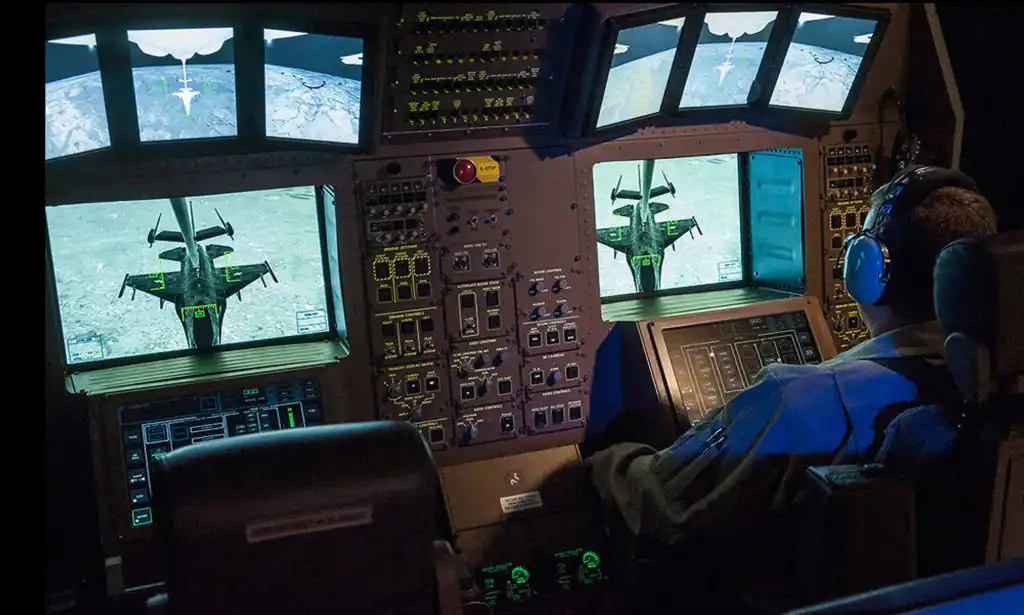
The refueling boom itself also required modifications after operators discovered that its stiffness made it difficult to refuel certain lighter aircraft. These technical challenges slowed the aircraft’s path to full operational capability.
Because the KC-46 contract was structured as a fixed-price agreement, Boeing was responsible for covering many of the additional development costs. Over time, the company absorbed billions of dollars in financial losses related to the program.
Nevertheless, progress continued. In January 2019, the Air Force accepted its first two operational KC-46 aircraft at McConnell Air Force Base in Kansas, marking the official beginning of the Pegasus fleet’s operational service.
Deliveries steadily increased over the following years, even as upgrades and modifications continued.
Reaching 100 Aircraft And Expanding Operational Roles
By December 2025, the KC-46 program achieved a major milestone when the Air Force accepted its 100th Pegasus tanker. The aircraft was delivered to Travis Air Force Base, one of the largest aerial refueling hubs in the United States.
This milestone represented more than just a production achievement. It signaled the transition of the KC-46 from a development-stage program to a core operational asset within the Air Force’s global mobility fleet.
Pegasus aircraft have already supported a wide range of missions, including:
- Long-range fighter deployments
- Strategic bomber refueling operations
- Humanitarian relief missions
- Global mobility exercises with allied nations
These deployments demonstrate the aircraft’s versatility and growing importance within the U.S. Air Mobility Command structure.
However, the program has not been entirely smooth. At one point in 2025, deliveries were temporarily paused while quality concerns were addressed. Such interruptions highlight the complexity of modern aerospace manufacturing and the rigorous standards applied to military aircraft programs.
Even with these challenges, the KC-46 continues to expand its operational footprint across multiple Air Force bases.
Comparing The KC-46 Pegasus With The KC-135 Stratotanker
Replacing the KC-135 Stratotanker represents one of the most significant transitions in the history of U.S. aerial refueling. While the KC-135 proved remarkably durable, the KC-46 introduces capabilities that reflect modern warfare requirements.
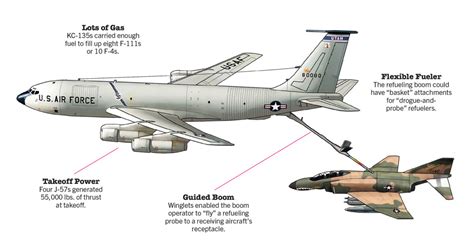
One of the most important improvements is dual refueling capability. The KC-135 primarily relies on the flying boom system, whereas the KC-46 can support both boom and probe-and-drogue refueling methods, making it compatible with a much wider range of aircraft.
The Pegasus also benefits from advanced digital avionics, improved communications systems, and modern flight management technology. These upgrades reduce pilot workload and improve mission planning efficiency.
Another major improvement involves survivability. The KC-46 incorporates defensive countermeasures designed to detect and respond to threats such as radar tracking and infrared missiles. Older tankers were never designed with such capabilities in mind.
Operational flexibility is also significantly improved. The KC-46’s ability to rapidly switch between refueling, cargo transport, passenger movement, and medical evacuation allows the aircraft to support a wide variety of missions without requiring specialized platforms.
These capabilities ensure that the Pegasus will remain relevant for decades as global airpower continues evolving.
The Boeing 767’s Role In The Future Of Aerial Refueling
Even as the KC-46 becomes fully operational, the U.S. Air Force is already considering the next generation of tanker aircraft. Future designs may include stealth features, autonomous capabilities, advanced networking systems, and improved survivability in heavily defended airspace.
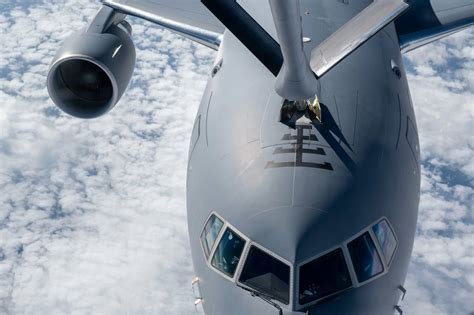
Yet those future concepts remain in development. In the meantime, the Boeing 767 platform will continue serving as the foundation of the Air Force’s tanker modernization strategy.
Military planners have discussed acquiring additional KC-46 aircraft as a “bridge tanker” fleet, potentially adding dozens more to ensure that the remaining KC-135 aircraft can retire without creating operational gaps.
The durability and adaptability of the 767 airframe have played a crucial role in this strategy. Originally designed for commercial airlines, the aircraft has demonstrated an ability to evolve into a highly capable military platform capable of supporting modern combat operations.
The story of the KC-46 Pegasus ultimately reflects the persistence of both engineers and military planners. What began as a troubled program overshadowed by scandal eventually matured into one of the most important modernization efforts within the U.S. Air Force.
Through years of setbacks, redesigns, and technological challenges, the Boeing 767 achieved an extraordinary second life—one that places it at the center of global aerial refueling operations and ensures that American airpower can continue projecting force across the world’s skies.