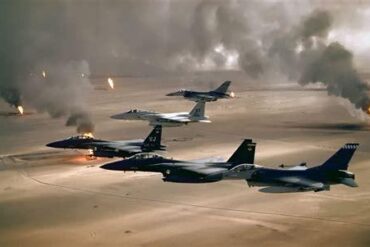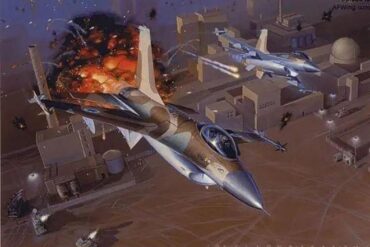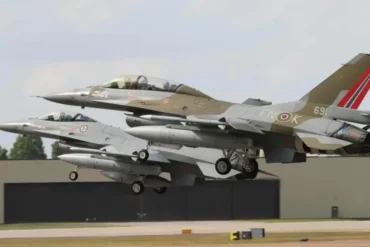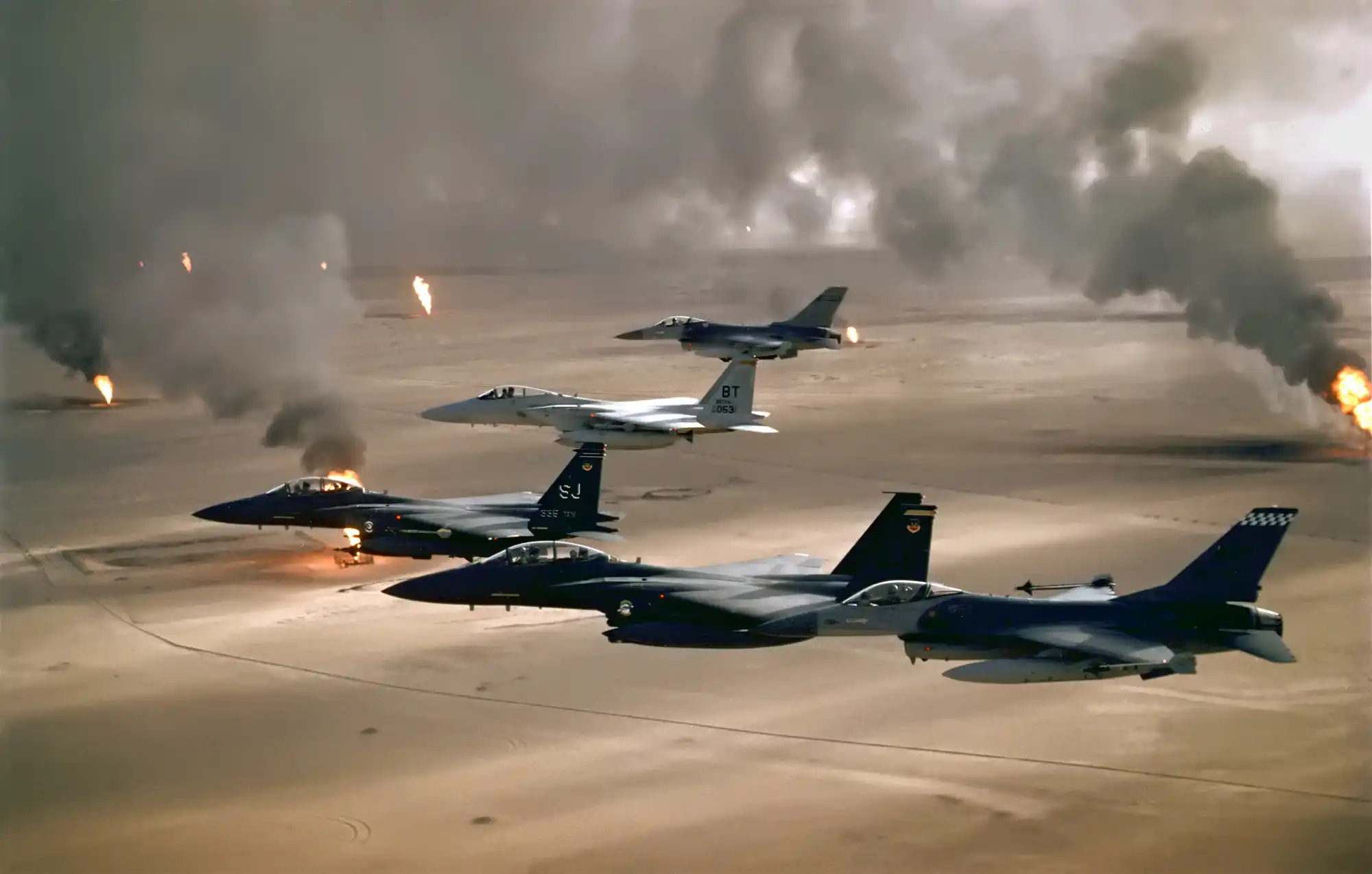
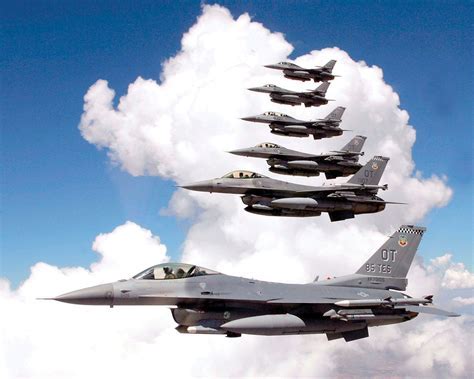
The General Dynamics F-16 Fighting Falcon played a crucial role in the Gulf War (1990-1991), demonstrating its versatile combat capabilities in one of the most technologically advanced conflicts of the 20th century. As a multi-role fighter, the F-16 was instrumental in securing air superiority, executing precision strikes, and supporting coalition forces in Operation Desert Storm. With its agile design, advanced avionics, and high sortie rates, the F-16 proved to be a formidable asset in modern aerial warfare.
F-16 Deployment and Missions
Massive Deployment and High Sortie Rates
The United States Air Force (USAF) deployed 251 F-16s in the Gulf War, making it the most extensively used fighter aircraft in the conflict. The F-16s, primarily from the Tactical Fighter Wings, executed a staggering 13,480 sorties, accounting for approximately 30% of all tactical airstrikes during the war. This high operational tempo underscored the aircraft’s reliability and ease of maintenance.
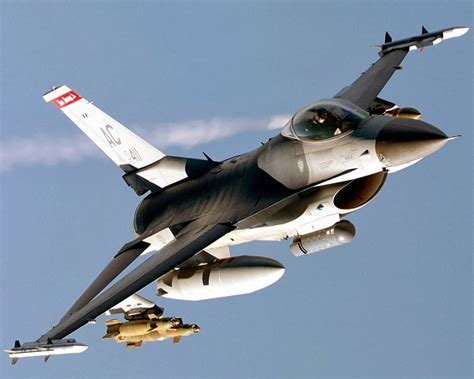
At the peak of the conflict, the F-16 fleet conducted up to 134 sorties per day, with individual aircraft averaging over 537 missions throughout the campaign. These figures highlighted the Falcon’s exceptional endurance in sustained combat operations.
Air Superiority and Strategic Strikes
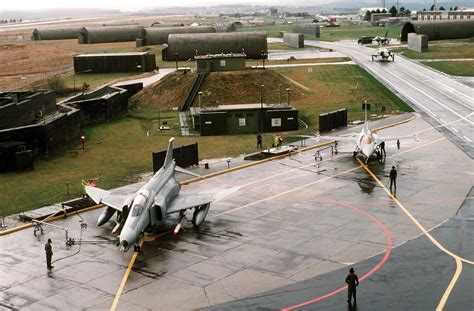
While the F-16 was not the primary air-to-air combat fighter (a role dominated by the F-15 Eagle), it played a key role in air superiority operations by engaging Iraqi aircraft and conducting combat air patrols (CAPs). The fighter’s ability to pull 9G maneuvers and its high thrust-to-weight ratio (1.09) allowed it to outperform most Iraqi aircraft in maneuvering engagements.
More critically, the F-16 excelled in strategic strikes against Iraqi infrastructure. Missions included:
- Radar suppression to disable enemy air defenses.
- Targeted attacks on command centers and military bases.
- Strikes on supply depots, airfields, and armored divisions.
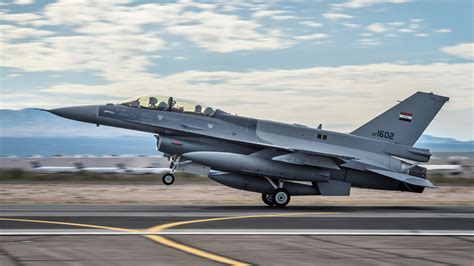
The aircraft’s multi-role capability allowed it to switch seamlessly between air-to-air combat, close air support (CAS), and interdiction missions.
Weapons and Combat Effectiveness
Precision-Guided Munitions (PGMs) and Air-to-Ground Strikes
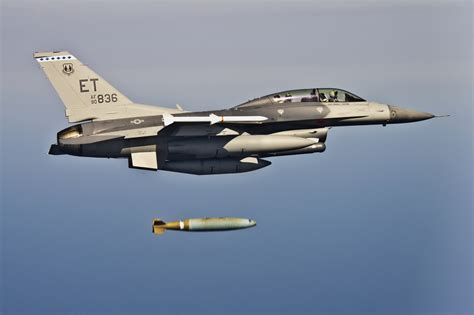
The F-16’s weapons loadout in the Gulf War included a mix of precision-guided munitions (PGMs) and conventional ordnance. The aircraft utilized:
- GBU-12 Paveway II – A 500-pound laser-guided bomb that enhanced precision against hardened targets.
- AGM-65 Maverick – A TV and infrared-guided missile used to destroy armored vehicles and bunkers.
- Mk-84 General-Purpose Bombs – Utilized in high-speed, low-altitude bombing runs.
- AGM-88 HARM (High-speed Anti-Radiation Missile) – Deployed to neutralize enemy radar and SAM (Surface-to-Air Missile) sites.
Despite lacking some modern stand-off weapons, the combination of high-speed delivery, target precision, and weapons versatility ensured that the F-16 inflicted severe damage on Iraqi forces.
Survivability and Combat Performance
Remarkably, not a single F-16 was lost in air-to-air combat during the Gulf War. This is attributed to:
- Superior maneuverability and an advanced fly-by-wire system that allowed the F-16 to evade enemy threats.
- Electronic countermeasures (ECM) and defensive tactics.
- Coordination with F-15 Eagles and AWACS (Airborne Warning and Control System) to maintain air superiority.
However, some F-16s were lost to ground-based air defenses, primarily SA-6 and SA-2 surface-to-air missiles. To counter this, the aircraft relied heavily on electronic jamming support from EF-111A Raven escort jammers and SEAD (Suppression of Enemy Air Defenses) missions.
Strategic Impact and Post-War Developments
The Gulf War solidified the F-16’s reputation as a premier multi-role fighter. The aircraft’s effectiveness in high-tempo operations influenced future upgrades and tactical doctrines, including:
- Integration of the AN/APG-68 radar, improving target acquisition range and all-weather capabilities.
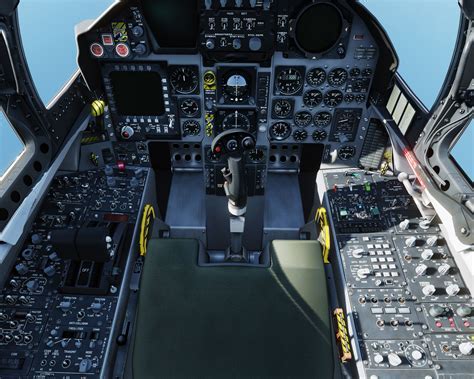
- Enhanced avionics, including the LANTIRN (Low-Altitude Navigation and Targeting Infrared for Night) system.
- Expanded precision-guided weapons compatibility, such as the JDAM (Joint Direct Attack Munition).
The war also demonstrated the importance of pilot training and combined air operations, which influenced NATO air doctrines and future coalition warfare strategies.
Challenges and Limitations
Despite its success, the F-16 faced certain operational limitations:
- Limited range (~880 km combat radius) necessitated frequent aerial refueling from KC-135 Stratotankers.
- Vulnerability to heavily defended targets, requiring escort missions with electronic warfare aircraft.
- Lack of advanced standoff munitions, making low-altitude penetration missions riskier.
While these limitations were mitigated by tactical planning and technological support, they underscored the need for continued aircraft modernization.
Conclusion
The F-16’s performance in the Gulf War (1990-1991) was a defining moment in modern air warfare. As a highly versatile, cost-effective, and combat-proven aircraft, the F-16 demonstrated its strategic importance in both air-to-ground and air-to-air operations. Its operational success influenced the future of tactical aviation, leading to advancements that continue to shape fourth and fifth-generation fighter development today.
FAQ
1. How many F-16s participated in the Gulf War?
The United States deployed 251 F-16s, making it the most widely used fighter in the conflict. It executed over 13,480 combat sorties, constituting nearly 30% of all tactical airstrikes.
2. What were the primary missions of the F-16 in the Gulf War?
The F-16 was primarily used for precision strikes, air patrols, and suppression of enemy air defenses (SEAD). It targeted radar installations, airfields, and armored divisions while maintaining air superiority alongside the F-15 Eagle.
3. Were any F-16s lost in air-to-air combat?
No. The F-16 did not suffer any air-to-air combat losses, thanks to its maneuverability, electronic countermeasures, and AWACS coordination. However, some aircraft were lost to surface-to-air missiles (SAMs) during high-risk strike missions.
The F-16’s legacy in the Gulf War cemented its place as one of the most effective multi-role fighters in modern combat history.