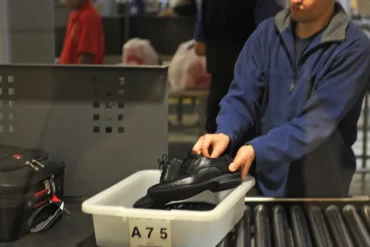
In air travel, many passengers overlook the importance of keeping their shoes on during a flight, but experts warn that doing so can offer significant health benefits. Keeping shoes on not only helps to protect your feet from exposure to harmful bacteria, fungi, and viruses that can be found on the airplane’s floor but also prevents discomfort and potential infections. Air travel experts emphasize that by maintaining proper footwear, travelers can reduce the risk of skin irritation, dehydration, and other health issues that are common during long flights. The simple act of wearing shoes throughout the journey can ensure a safer, more comfortable experience while traveling.
Air travel, while convenient and efficient, comes with a range of unique challenges that passengers may overlook, especially when it comes to their clothing and personal hygiene. Experts often warn travelers about what they should avoid wearing during flights, yet many still choose to ignore this advice. Common choices such as leggings, crop tops, and synthetic fabrics are often favored for their comfort and style. However, there are some serious reasons to reconsider these choices, especially when it comes to maintaining hygiene and avoiding health risks during the flight.
The Importance of Footwear on Airplanes
While airport fashion might be full of cute outfits, from cozy tracksuits and sneakers to the perfect summer looks like floral dresses or shorts and sandals, it’s essential to recognize that style is not the only factor when choosing what to wear on a plane. Comfort is crucial, but so is practicality, and this is where passengers often slip up. Many travelers are excited to jump into vacation mode, wanting to look their best and feel comfortable, but overlooking the practicality of their travel attire can have negative consequences.
One critical piece of advice that many passengers tend to ignore involves wearing the proper footwear. Travel experts have warned that airplane floors are rarely cleaned thoroughly between flights. While cleaning between flights is essential for maintaining an acceptable level of hygiene, the reality is that most airlines don’t conduct an in-depth cleaning process every time a plane lands and before it takes off again. As a result, passengers may be exposed to a range of harmful pathogens, including bacteria, fungi, and viruses, that thrive on the floors of airplanes. The presence of these microorganisms could lead to common but unpleasant skin infections such as athlete’s foot, plantar warts, and other skin irritations.
If you have any cuts or abrasions on your feet or legs, the risk of picking up these infections increases. In many cases, these infections can be easily treated, but they can still cause discomfort and lead to further complications if left unchecked. Even if you don’t have cuts or abrasions, walking barefoot or wearing shoes with open toes increases the risk of exposure to these pathogens. Infections that you might pick up while walking around the cabin or using the restroom could result in painful and irritating conditions that could spoil the start of your holiday.
Dry Air and Its Effects on Skin Health
The risks don’t stop there, though. Airplane cabins are notorious for their dry air, which can cause your skin to become dehydrated and more prone to cracking. This is especially true for long-haul flights. The low humidity levels inside the aircraft can strip moisture from your skin, leading to irritation, dryness, and even cracking. Cracked skin, particularly around your feet and ankles, is an open invitation for bacteria and fungi to enter and cause infections. Even if your skin isn’t cracked, dry and irritated skin is more vulnerable to picking up viruses and fungi that are prevalent in the airplane environment.
This is why wearing socks, especially ones made from moisture-wicking fabrics, can provide an additional layer of protection. Socks can help to absorb excess moisture and protect your feet from coming into direct contact with the floor, reducing the likelihood of infections. For added protection, it is also wise to wear shoes throughout the flight. While it’s tempting to slip off your shoes and make yourself comfortable during a long flight, it’s essential to be aware that the floors of an airplane are not the cleanest place to expose your feet.
The Hygiene Risks of Airplane Restrooms
Another hygiene concern many people don’t consider is using the airplane bathroom. While most passengers think that water in the restrooms on planes is perfectly clean, it’s crucial to understand that it may not always be as sanitary as it seems. What might appear to be water from the sink or toilet could, in fact, contain germs and bacteria from the environment. With the dry air and high altitude, your skin can become more sensitive, and touching these surfaces with bare feet increases your chances of coming into contact with harmful bacteria.
While the risk of catching a serious infection on a flight is relatively low for most healthy individuals, the fact remains that it’s better to be safe than sorry. The close quarters of an airplane, the limited opportunity for fresh air, and the frequent use of shared spaces such as bathrooms and aisles create an environment where pathogens can easily spread. Being cautious about hygiene and following simple practices can make a significant difference in ensuring that your flight doesn’t lead to unpleasant health issues.
Practical Steps for Safe Air Travel
For those eager to arrive at their destination in the most stylish and comfortable way possible, it’s important to remember that practicality should not be sacrificed. Keeping shoes on—or at the very least, wearing socks during the flight—is a small but important step in protecting yourself from potential infections. This simple act can safeguard your health and well-being, ensuring you arrive at your destination in the best possible condition, ready to enjoy your vacation without any health concerns.
Air travel experts highlight the surprising health benefits of keeping shoes on during a flight, including protection from infections and increased comfort. Wearing shoes can significantly reduce the risk of exposure to harmful bacteria and other health issues while flying. While it might be tempting to ignore the hygiene advice provided by travel experts, there are valid reasons to pay attention to these warnings. Airplane floors are not as clean as they should be, and the dry, confined air makes your skin more vulnerable to irritation and infection. By taking simple precautions, like wearing socks and shoes during your flight, you can help minimize the risk of infections and ensure that your journey starts off as healthy and enjoyable as possible. After all, nobody wants to deal with foot infections or other health issues just as they’re beginning their long-awaited vacation.