Commercial aviation is often portrayed through the people passengers can see. Pilots walk through terminals in uniform. Cabin crews welcome travelers onboard. Ground handlers load baggage under floodlights while air traffic controllers guide aircraft through crowded skies. Yet one of the most critical people responsible for every successful flight rarely leaves the operations center. The aircraft dispatcher remains one of aviation’s most overlooked professionals, despite carrying enormous legal and operational responsibility.
Every delayed departure, rerouted flight, fuel adjustment, weather diversion, or last-minute operational change passes through the hands of these specialists. Long before passengers board the aircraft, dispatchers are already analyzing weather systems, reviewing maintenance status, monitoring airport restrictions, calculating fuel loads, and coordinating with flight crews. In many ways, they function as the airline’s strategic command center.
Without dispatchers, modern airline networks would collapse into operational chaos.
The aviation industry increasingly recognizes that reality. As airlines expand routes, manage tighter schedules, and navigate more congested airspace, dispatchers have become indispensable to maintaining both safety and profitability. Their work is not glamorous, but it is foundational to the entire commercial aviation system.
The Invisible Professionals Behind Every Flight
Most airline passengers never hear the term “aircraft dispatcher” during their journey. Even frequent travelers often assume pilots alone make operational decisions. In reality, dispatchers share legal responsibility for the safety and legality of a flight alongside the captain.
That shared responsibility is enormous.
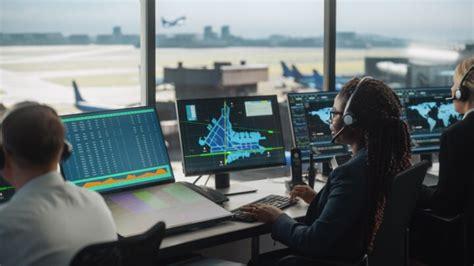
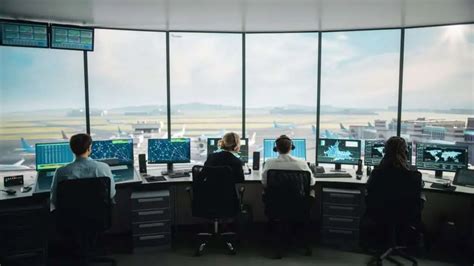
A dispatcher’s workday begins long before an aircraft pushes back from the gate. From centralized airline operations centers, dispatchers monitor dozens of flights simultaneously while assessing changing operational conditions across entire route networks. Their environment resembles a high-pressure command post filled with weather radar displays, operational alerts, maintenance data streams, and real-time flight tracking systems.
Unlike aircraft marshallers who guide airplanes on the ramp using hand signals or vehicles, dispatchers focus on strategic operational planning. Their responsibilities blend meteorology, navigation, aviation law, fuel management, aircraft performance, and crisis coordination into a single role.
Every flight plan must account for countless variables, including:
- Weather systems across the route
- Airport congestion and runway availability
- Airspace restrictions
- Fuel requirements and alternate airports
- Aircraft performance limitations
- Maintenance considerations
- Crew legality and duty time restrictions
- International regulatory compliance
A single oversight can create delays that ripple across an airline’s network for hours.
For dispatchers, aviation is a constant puzzle where conditions change minute by minute.
Flight Planning Is Far More Complex Than Most Travelers Realize
Passengers often assume pilots simply enter a destination into the aircraft’s computer and depart. The reality is dramatically more sophisticated.
Flight dispatchers build operationally viable flight plans that satisfy both safety regulations and airline efficiency goals. Every route must balance fuel consumption, weather avoidance, air traffic flow restrictions, aircraft performance capabilities, and operational costs.
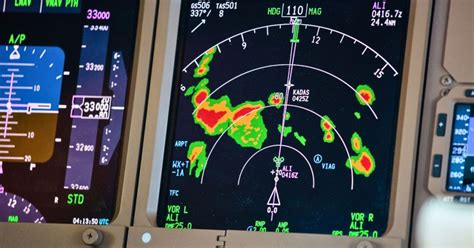
Weather analysis alone can consume significant portions of a dispatcher’s workload. Thunderstorms over major hubs can force reroutes that add hundreds of miles to a journey. High-altitude jet streams may either accelerate or slow aircraft significantly depending on direction. Winter icing conditions can affect takeoff calculations, while volcanic ash clouds pose catastrophic engine risks.
Dispatchers constantly review meteorological reports, radar imagery, turbulence forecasts, NOTAMs, and airport condition updates. Their job is not simply identifying problems. It is anticipating them before they affect operations.
Modern aviation schedules leave little room for error.
A delay in Chicago may trigger missed crew connections in Dallas, aircraft shortages in Atlanta, and gate conflicts in Los Angeles. Dispatchers therefore think beyond individual flights. They evaluate how each operational decision impacts the airline’s larger network.
This systems-level thinking is one reason airlines aggressively recruit experienced dispatch professionals. Strong dispatchers can save airlines millions through smarter fuel planning, efficient routing, and proactive operational management.
Why Dispatchers Share Legal Authority With Pilots
One of the least understood aspects of airline operations is the dispatcher’s legal authority.
In the United States, certified aircraft dispatchers share operational control responsibility with the pilot in command. That means dispatchers possess the authority to delay or refuse a flight if safety concerns exist. Their signature on the dispatch release carries legal significance comparable to the captain’s approval.
This is not symbolic oversight.
If dangerous weather conditions, maintenance concerns, or regulatory issues make a flight unsafe, dispatchers can prevent departure. Airlines depend on this dual-layer operational structure because it creates independent safety verification outside the cockpit.
The dispatcher and pilot continuously communicate throughout the flight lifecycle. Before departure, they review routing, fuel strategy, weather threats, and alternate airports. During flight, dispatchers monitor changing conditions and relay updated operational information to crews.
This relationship becomes especially critical during emergencies.
When flights divert because of medical incidents, severe turbulence, mechanical problems, or airport closures, dispatchers coordinate much of the response from the ground. They arrange alternate airport handling, coordinate maintenance support, communicate with airline management, and help crews evaluate the safest operational options.
Passengers rarely notice this invisible support structure during disruptions. Yet behind nearly every successful diversion or irregular operation stands a dispatcher managing the crisis in real time.
Airlines Are Hiring More Dispatchers Than Ever Before
Global aviation growth has dramatically increased demand for qualified dispatchers.
Airlines now operate increasingly complex route structures with thinner operational margins. Flights are scheduled more tightly, airports are more congested, and weather disruptions create larger network-wide consequences than ever before. Dispatchers have therefore evolved from administrative support staff into essential operational strategists.
The industry’s hiring surge reflects that evolution.
Major carriers continue expanding dispatch departments to support larger fleets and growing international operations. Senior dispatchers at large legacy airlines can earn salaries approaching or exceeding $150,000 annually, particularly at major US carriers.
Those salaries reflect the pressure and responsibility attached to the role.
Dispatchers work around the clock because airlines never truly stop operating. Overnight weather events, international departures, cargo operations, and irregular disruptions require constant staffing. The role involves shift work, including weekends, holidays, and overnight rotations.
Yet many aviation professionals view dispatching as one of the industry’s best-kept career secrets.
Compared with pilot training, dispatcher certification requires far less financial investment while still offering direct involvement in high-level airline operations. The position also provides exceptional long-term stability because airlines cannot legally operate without certified dispatch personnel.
As airlines face pilot shortages and rising operational complexity, dispatchers increasingly serve as the institutional knowledge backbone within operations centers.
Inside the High-Stakes Environment of Airline Operations Centers
Airline operations centers function like military command rooms during major disruptions.
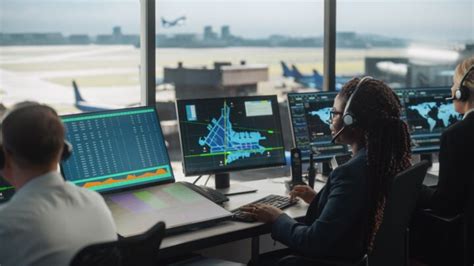
Large wall displays track hundreds of aircraft simultaneously while teams coordinate crew scheduling, maintenance logistics, airport gate assignments, weather impacts, and passenger reaccommodation strategies. Dispatchers sit at the center of this operational ecosystem.
During severe weather events, the pace becomes relentless.
Thunderstorms over major hubs such as Atlanta, Chicago, or Dallas can force cascading cancellations across entire airline networks. Dispatchers must rapidly evaluate reroutes, fuel impacts, airport alternates, and recovery strategies while coordinating continuously with flight crews and air traffic management authorities.
Every decision carries operational consequences.
Adding extra fuel increases aircraft weight and operating costs. Rerouting around storms may avoid turbulence but create crew legality issues. Delaying departures may improve safety margins but disrupt downstream schedules.
Dispatchers constantly balance competing priorities under significant time pressure.
The best dispatchers develop extraordinary situational awareness. They can mentally track aircraft positions, weather systems, airport congestion patterns, and fleet availability simultaneously while making rapid operational judgments.
This skill set explains why experienced dispatchers become highly valuable assets within airline management structures.
Becoming an Aircraft Dispatcher Requires Specialized Training
Unlike many aviation careers, dispatcher certification pathways remain relatively accessible.
FAA-certified dispatcher programs typically require only several weeks of intensive instruction. Training focuses on meteorology, navigation, regulations, flight planning, air traffic systems, aircraft performance, and operational control procedures.
Institutions such as the US Aviation Academy provide accelerated dispatcher certification programs designed to prepare students for FAA examinations and airline hiring processes.
The academy’s programs demonstrate how streamlined dispatcher training can be compared with pilot pathways. Students may complete courses in as little as five weeks through intensive daytime schedules or extend training over evening programs that accommodate existing employment.
This flexibility attracts career changers, military veterans, and aviation enthusiasts seeking entry into airline operations.
FAA certification requirements remain relatively straightforward:
- Applicants must speak English fluently
- Certification is issued at age 23 or older
- Students may begin training and testing earlier
- Candidates must pass written and practical examinations
Many programs also offer hybrid or partially online coursework, expanding accessibility for international students and remote learners.
Training costs, while significant, remain far below commercial pilot licensing expenses. Some financing packages include housing assistance and travel stipends, particularly for students attending in-person programs.
Military personnel often receive additional educational support and discounted tuition opportunities, making dispatching an attractive post-service aviation career path.
The Career That Keeps Aviation Moving
Aircraft dispatchers occupy one of the most influential yet least visible positions in commercial aviation.
They are strategists, planners, meteorologists, communicators, safety specialists, and crisis managers operating behind the scenes of every airline departure. While passengers focus on pilots and cabin crews, dispatchers quietly orchestrate the operational framework that makes global air travel possible.
Their importance continues growing as airlines confront rising operational complexity, tighter schedules, climate-driven weather disruptions, and increasingly congested airspace systems.
Modern aviation depends on precision coordination. Dispatchers provide that precision.
The next time an aircraft departs safely through thunderstorms, arrives despite congested airspace, or successfully diverts during an emergency, there is a strong chance an unseen dispatcher helped make those decisions possible from hundreds or even thousands of miles away.
Commercial aviation may celebrate the people inside the cockpit, but the system itself relies equally on the professionals working silently behind the screens.