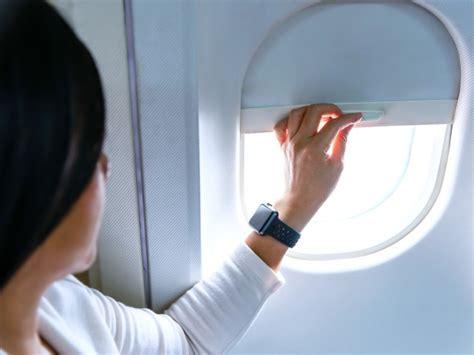
Air travel compresses humanity into a metal cylinder where personal preference and public courtesy perform an intricate midair ballet. Few micro-conflicts capture this tension more vividly than the humble airplane window shade. It looks innocuous—plastic, oval, obedient to a gentle slide—yet it quietly governs light, sleep, temperature, and even mood inside the cabin. The question lingers for many travelers: Is it rude to keep your window shade open when everyone else has theirs closed?
The answer lives in the gray space between etiquette and autonomy, shaped by psychology, flight conditions, and unspoken social contracts that emerge somewhere above the clouds.
The Window Seat’s Unwritten Ownership Rights
Traditionally, the window seat confers control over the shade. This norm is widely accepted because the window passenger sacrifices ease of movement. Climbing over neighbors for lavatory visits is the toll paid for aerial views. In exchange, they receive dominion over the portal to the outside world.
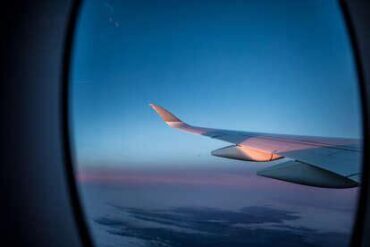
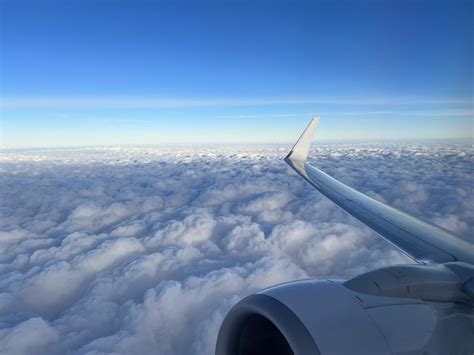
That outside world matters more than one might assume. Watching the wing flex, the engine hum, and continents scroll beneath you is not trivial entertainment—it is experiential wonder. Flight transforms geography into living cartography. Rivers look like capillaries. Cities glow like neural networks. For many, especially aviation enthusiasts, closing the shade feels like buying theater tickets and staring at the floor.
Why Dark Cabins Dominate Daytime Flights
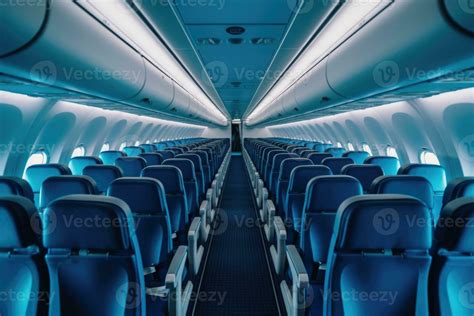
Despite those viewing pleasures, daytime cabins often resemble midnight caves. Shades drop row by row until the aircraft interior becomes a softly snoring bunker. This phenomenon rarely stems from formal policy. Instead, it arises from social gravity.
Humans are mimicry machines. When several passengers close shades, others follow to avoid standing out. No announcement is needed. The cabin collectively decides: We are now a sleeping environment.
Several forces reinforce this shift:
- Sleep optimization: Travelers crossing time zones chase rest whenever possible.
- Screen visibility: Glare sabotages movies, laptops, and seatback TVs.
- Temperature control: Sunlight can heat already stuffy cabins.
What begins as practical becomes cultural. Darkness signals quiet. Quiet signals compliance.
Crew Requests vs. Passenger Preference
There are moments when shade closure carries legitimate operational or courtesy weight. On long-haul or “redeye” flights, maintaining darkness helps regulate circadian rhythms—the body’s internal clock governing sleep cycles. Abrupt sunlight during a planned rest period can fragment sleep across dozens of passengers simultaneously.
Sunrise scenarios amplify this effect. When an aircraft races the dawn, one open shade can flood a cabin with blinding light. In such cases, crew guidance to lower shades serves collective comfort rather than authoritarian control.
Shorter daytime routes, however, occupy murkier ethical airspace. When a mid-morning flight becomes artificially nocturnal, the justification weakens. Here the tension between individual enjoyment and group preference becomes most visible.
The Psychology of Shade Peer Pressure
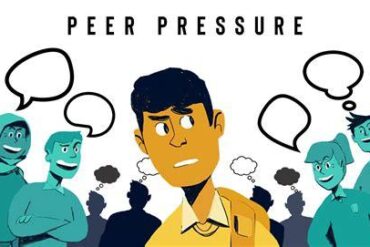
Peer pressure at cruising altitude operates subtly. No one confronts the lone shade-opener directly. Instead, disapproval manifests through glances, shifting shoulders, or the ritual lowering of neighboring shades in defensive response.
This dynamic mirrors broader social conformity experiments. People adjust behavior to align with perceived majority norms—even when those norms are silent. The cabin becomes a laboratory of compliance, where light itself becomes a social signal.
Interestingly, one open shade can reverse the trend. Behavioral contagion works both ways. When passengers see daylight reintroduced without conflict, others may cautiously follow, restoring balance between darkness and visibility.
When Keeping the Shade Open Feels Justified
Context defines courtesy. Certain scenarios make an open shade feel entirely reasonable, even generous to collective morale.
Consider flights over visually dramatic terrain—Greenland’s ice sheets, the Himalayas, desert dune seas. Denying passengers those vistas borders on aesthetic sabotage. Shared wonder can outweigh minor glare inconvenience.
Likewise, travelers who are fully awake after restful sleep may experience prolonged darkness as disorienting. Humans evolved under sunlight cycles; extended artificial dimness can dampen alertness and mood.
Key factors that strengthen the case for an open shade include:
- Midday departure times
- Short-to-medium flight duration
- Minimal crew guidance about darkness
- Exceptional external scenery
Strategies for Balancing Courtesy and Autonomy
Navigating shade etiquette does not require moral absolutism. Small behavioral calibrations can harmonize personal preference with cabin comfort.
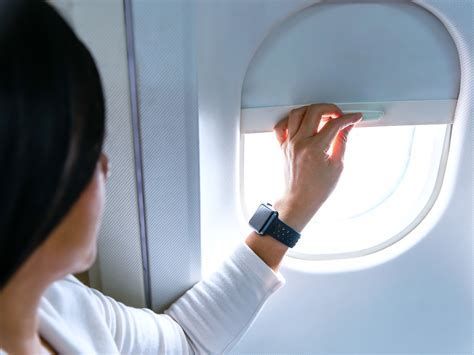
Opening the shade gradually—rather than blasting full sunlight—reduces shock glare. Partial openings allow outside visibility while maintaining dim cabin ambiance. Timing also matters. Raising the shade earlier in the flight, before darkness norms solidify, feels less disruptive.
Awareness of sun angle plays a role. Direct beams hitting adjacent passengers or screens intensify irritation. Adjusting the shade slightly to redirect light demonstrates situational awareness without full concession.
Technology’s Role in the Debate
Modern aircraft complicate the etiquette equation. Electrochromic windows—like those on the Boeing 787—allow adjustable tint instead of binary open-or-shut states. This technology diffuses sunlight rather than weaponizing it.
As these systems proliferate, the social friction around shades may soften. Light becomes customizable rather than adversarial. The future cabin might replace peer pressure with personal dimmer switches, dissolving the conflict entirely.
Cultural Differences in Shade Norms
Shade behavior also varies by region and airline culture. Some routes exhibit near-universal darkness regardless of time. Others maintain a patchwork of open and closed windows throughout the flight.
These patterns may reflect differing attitudes toward collectivism and individualism. In more group-oriented cultures, passengers may prioritize communal comfort over personal viewing. On routes with leisure-heavy travel—vacation corridors, scenic destinations—open shades appear more frequently.
The Emotional Dimension of Looking Outside
There is something philosophically grounding about gazing out of an airplane window. At altitude, borders vanish, traffic disappears, and human conflict shrinks into abstraction. The view offers cognitive distance—a reminder that daily anxieties occupy a very small patch of a very large planet.
Closing the shade severs that connection. The flight becomes pure transit rather than experience. For travelers who cherish the miracle of aviation, darkness feels like missing the point of flight altogether.
So… Is It Rude?
Rudeness, in this context, is less about the shade itself and more about situational awareness. Absolute positions—always open or always closed—ignore the fluid social ecosystem inside an aircraft cabin.
If crew guidance supports darkness, compliance signals respect. If the cabin is mixed or the flight occurs squarely in daytime hours, keeping the shade open rests comfortably within etiquette boundaries—especially when done thoughtfully.
The real breach is indifference: ignoring sun glare blasting directly into neighbors’ eyes or screens. Courtesy lives in micro-adjustments, not total surrender.
At 35,000 feet, civilization is negotiated through armrests, seat recline angles, and, yes, a sliding piece of plastic no wider than a forearm. The window shade becomes a tiny referendum on how humans share space—balancing private wonder with public comfort while the planet scrolls silently below.