Air travel compresses hundreds of strangers into a shared, pressurized environment where personal preferences collide at 35,000 feet. Among the most quietly contentious issues is airplane window shade etiquette—a seemingly trivial detail that can spark real tension between passengers. The question is deceptively simple: who has control over the window shade? The answer, however, sits at the intersection of personal rights, social awareness, and evolving airline practices.
The Unwritten Rule: Window Seat, Window Authority
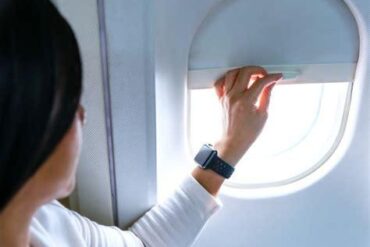
In the hierarchy of airplane seating, each position comes with implicit privileges. The aisle seat grants mobility, the middle seat demands patience, and the window seat offers a unique combination of privacy, control, and visual experience. Among these, control over the window shade is widely accepted as belonging to the window seat passenger.
This unwritten rule is grounded in practicality. The window is physically accessible only to one person, making shared control inefficient and awkward. More importantly, choosing a window seat often reflects a deliberate preference—whether for scenic views, reduced disturbances, or simply a sense of personal space.
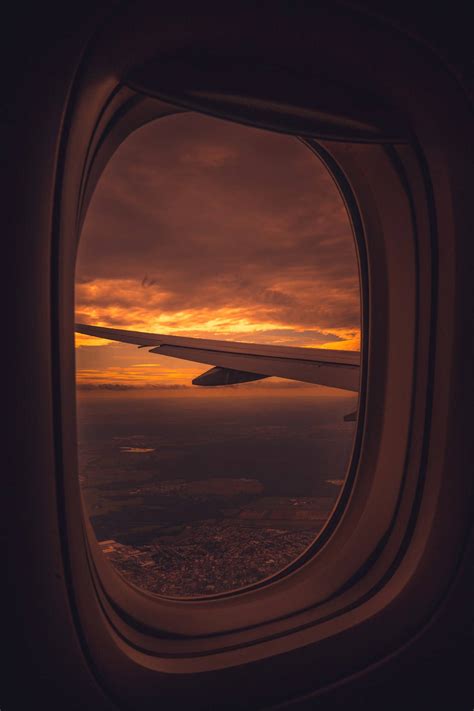
For many travelers, especially aviation enthusiasts, the window is more than just a panel of glass. It is a portal to a constantly shifting landscape, from cloud formations to city grids glowing at night. The ability to open or close the shade becomes part of the journey itself, not just a comfort setting.
The Emotional Value of the Window View
Flying has a way of shrinking the world while expanding perspective. Looking out of an aircraft window can transform a routine trip into something memorable. Snow-capped mountains, endless oceans, and the curvature of the horizon remind passengers of the scale and wonder of flight.
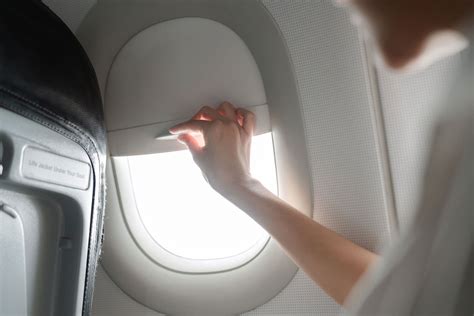
Yet, not everyone shares this enthusiasm. A surprising number of passengers prefer to keep shades closed throughout the flight, prioritizing sleep, screen visibility, or simply avoiding glare. This divergence in preferences is where etiquette becomes essential.
The tension arises when one passenger’s desire for natural light and scenery clashes with another’s need for darkness and rest. In these moments, strict ownership of the window shade begins to blur into a broader question of shared comfort.
The Golden Rule at 35,000 Feet
While the window seat passenger holds primary control, etiquette demands more than rigid adherence to ownership. The principle that governs most successful in-flight interactions is simple: consideration.
If sunlight pours through the window at a sharp angle, illuminating multiple rows and making it difficult for others to watch screens or sleep, keeping the shade fully open becomes less a right and more a disruption. Conversely, demanding that someone close their shade without politeness or reason undermines basic courtesy.
Effective etiquette in this context relies on a few subtle behaviors:
- Recognizing when light becomes intrusive rather than pleasant
- Responding to polite requests with flexibility
- Avoiding escalation in confined spaces where conflict has no easy escape
These micro-decisions define the tone of the cabin experience. A small adjustment of the shade can prevent unnecessary friction and maintain a cooperative atmosphere.
Reading the Cabin: Social Cues Matter More Than Rules
Beyond individual interactions, there is a broader dynamic at play—the collective behavior of the cabin. On long-haul flights, especially those crossing multiple time zones, a kind of unspoken consensus often emerges.
If most passengers have their shades down, creating a dim, sleep-friendly environment, a single open window can feel disproportionately bright. The human eye is naturally drawn to contrast, and one source of light in an otherwise dark cabin becomes magnified.
In such scenarios, maintaining an open shade may technically fall within one’s rights, but it disrupts the shared environment. This is where etiquette evolves from individual entitlement to situational awareness.
At the same time, the reverse is equally valid. On daytime flights where the majority of shades are open, closing yours is unlikely to affect others significantly. The key lies in understanding that context determines courtesy.
Flight Attendants and the Quiet Shift of Control
Airlines and cabin crews introduce another layer to this discussion. While passengers may assume full autonomy over window shades, in practice, flight attendants sometimes influence or even override this control.
This typically occurs in three scenarios:
- Sleep-focused flights, where crews encourage a darker cabin to help passengers adjust to destination time zones
- Premium cabins, where attendants may proactively adjust shades to create a uniform ambiance
- Aircraft with electronic dimming systems, where settings can be centralized and temporarily locked
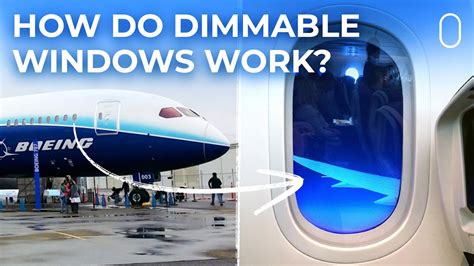
On aircraft equipped with advanced window technology, such as dimmable panels, the traditional concept of manual control is already evolving. Passengers may find themselves unable to override settings during certain phases of flight, particularly when crews prioritize safety, comfort, or operational consistency.
This shift reflects a broader trend in aviation: the balancing of individual preferences with collective experience design.
Daytime Flights vs. Overnight Flights: A Critical Distinction
Not all flights are created equal, and expectations around window shades vary dramatically depending on timing. Overnight flights naturally lean toward darkness. Passengers are more likely to sleep, and exposure to early sunrise can disrupt rest cycles.
In these cases, keeping the shade closed aligns with both etiquette and practicality. Opening it abruptly during a sunrise can flood the cabin with intense light, instantly waking dozens of passengers.
Daytime flights, however, present a more nuanced scenario. On a morning or afternoon journey, especially over visually striking regions, many passengers prefer to remain awake and engaged. For them, a darkened cabin feels unnatural and even disorienting.
This contrast often leads to frustration when crews request closed shades during clearly daytime hours. The expectation of darkness in such conditions can feel excessive, highlighting the ongoing tension between standardized cabin management and individual passenger experience.
Conflict Avoidance: The Smart Traveler’s Approach
Disagreements over window shades rarely escalate into major incidents, but they can create lingering discomfort. The smartest approach is not to “win” the interaction, but to avoid conflict altogether.
This means recognizing when compromise is the most efficient path. If a neighboring passenger makes a reasonable request, accommodating it often costs little while preserving a positive environment. On the other hand, if a request is delivered rudely, disengagement is usually the better response.
Cabin crew can always mediate if necessary, but involving them should be a last resort. The confined nature of an aircraft amplifies tension, making even minor disputes feel larger than they are.
The Psychology Behind Window Shade Preferences
At its core, the debate over window shades reflects deeper psychological differences. Some passengers associate light with alertness, control, and connection to the outside world. Others associate darkness with comfort, privacy, and rest.
These preferences are not arbitrary. They are shaped by travel purpose, personal habits, and even circadian rhythms. A business traveler preparing for a meeting may want to stay awake and engaged, while a leisure traveler on a long-haul flight may prioritize sleep above all else.
Understanding this diversity of needs makes it easier to approach the issue with empathy rather than rigidity. The window shade becomes less a battleground and more a shared resource requiring subtle negotiation.
The Bottom Line: Control Meets Consideration
The question of who controls the airplane window shade has a clear starting point: the window seat passenger. But that control is not absolute. It exists within a framework of social awareness, environmental context, and evolving airline practices.
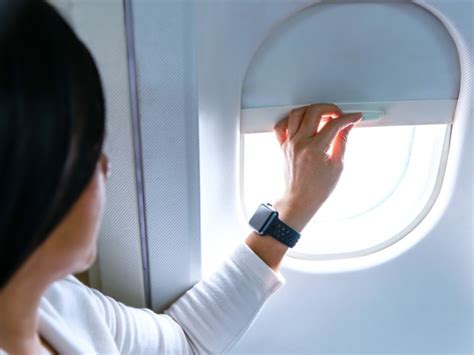
The most effective approach blends confidence with flexibility. Enjoy the privilege of the window seat, but remain attentive to how your choices affect others. Observe the cabin, respond to reasonable requests, and adapt when necessary.
In the end, the best etiquette is not about rigid rules. It is about creating a shared experience where individual comfort and collective harmony coexist—even at cruising altitude.