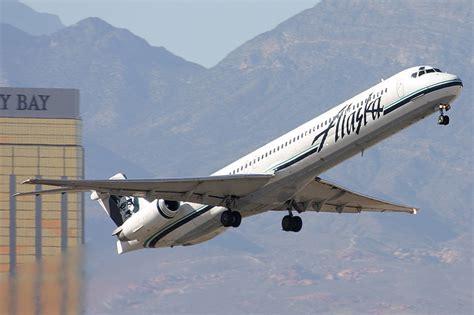
Alaska Airlines Flight 261 was a routine passenger flight that became one of the most haunting aviation disasters in U.S. history. On January 31, 2000, the McDonnell Douglas MD‑83 aircraft plunged into the Pacific Ocean off the coast of California, killing all 88 people on board. The tragedy not only exposed critical flaws in airline maintenance protocols but also revealed extraordinary bravery in the final moments of flight.
The Aircraft and the People Aboard
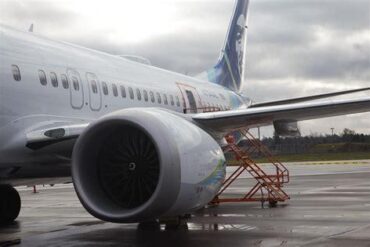
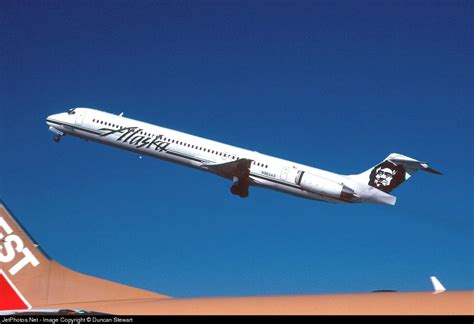
Flight 261 was operated by an MD‑83, tail number N963AS, delivered to Alaska Airlines in 1992. By the time of the accident, it had accumulated 26,584 flight hours and 14,315 cycles. On that fateful day, it departed Puerto Vallarta, Mexico, en route to Seattle, Washington, with a scheduled stop in San Francisco.
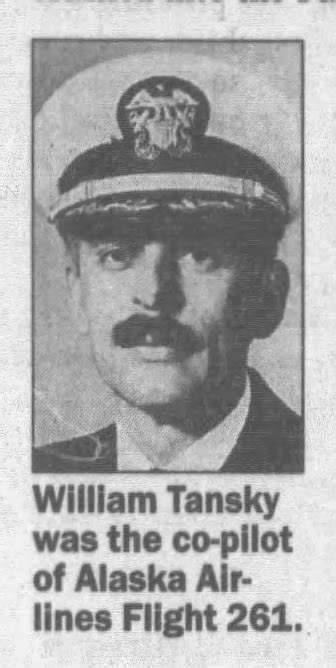
The crew consisted of Captain Ted Thompson, a seasoned pilot with 17,750 total flight hours (4,000 on the MD‑80 series), and First Officer William “Bill” Tansky, with over 8,140 MD‑80 hours. Three experienced flight attendants from Seattle were also aboard. Among the 83 passengers were prominent figures such as Seattle Times columnist Tom Stockley, author Jean Gandesbery, and former Bureau of Indian Affairs commissioner Morris Thompson with his family.
In-Flight Crisis: The Malfunction Begins
Flight 261 took off from Puerto Vallarta at 13:37 PST and climbed to flight level 310 (31,000 feet). Shortly after reaching cruising altitude, the flight crew noticed a problem: the horizontal stabilizer trim system was jammed, requiring approximately 10 pounds of force to maintain level flight manually. Multiple attempts to re-trim the stabilizer failed. Recognizing the severity, the pilots requested a diversion to Los Angeles International Airport (LAX).
For nearly two hours, the crew worked tirelessly, consulting Alaska Airlines maintenance controllers, trying to troubleshoot the issue mid-air. At 16:09, the stabilizer abruptly broke free from its jammed position and moved to a full nose-down pitch, sending the aircraft into a steep dive from 31,500 feet to approximately 24,400 feet.
Final Descent: Heroism Amid Catastrophe
In the final 15 minutes, the situation escalated rapidly. The pilots managed to recover from the initial dive, leveling the plane, albeit with difficulty. However, their respite was brief. At 16:19, a series of loud mechanical thumps followed by a metallic snap indicated catastrophic failure—the jackscrew’s acme nut threads had stripped entirely at approximately 17,800 feet.
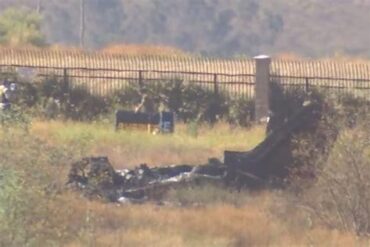
The horizontal stabilizer broke free, causing the aircraft to invert and go into an uncontrollable dive. Despite executing upset recovery maneuvers with exceptional professionalism, the pilots could not regain control. At 16:21, Alaska Airlines Flight 261 crashed into the Pacific Ocean near Anacapa Island, leaving a debris field that stretched over miles.
Technical Failure: The Jackscrew Catastrophe
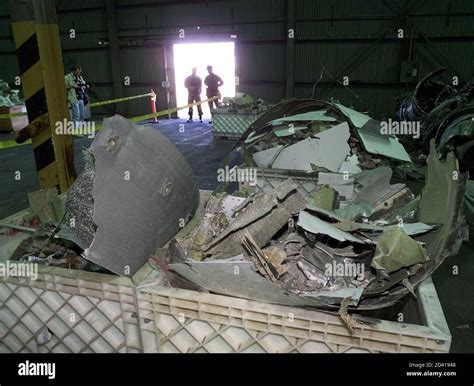
The National Transportation Safety Board (NTSB) launched a detailed investigation. Recovery operations successfully retrieved approximately 85% of the fuselage, including both engines, the flight data recorder (FDR), and the cockpit voice recorder (CVR). The findings painted a damning picture of mechanical degradation and regulatory lapses.
The core issue was traced to the acme nut of the jackscrew assembly in the horizontal stabilizer trim system. This vital component had undergone excessive wear—approximately 90% thread degradation, measured at 0.012 inches per 1,000 hours, far exceeding the expected 0.001 inches. The cause? A systemic failure to lubricate the jackscrew, a critical maintenance procedure.

Maintenance and Oversight Failures
What made the disaster particularly egregious was the trail of preventable lapses. Alaska Airlines had received FAA approval to extend both lubrication and end-play inspection intervals, which meant the jackscrew was being inspected and serviced less frequently than originally recommended. Compounding this, maintenance crews used nonstandard tools for measuring jackscrew wear, leading to false readings that gave a deceptive sense of safety.
Further complicating the narrative was John Liotine, an Alaska Airlines mechanic turned whistleblower. In 1998, he flagged improper maintenance practices, including improper sign-offs for jackscrew inspections. His warnings were disregarded. Post-crash investigations revealed that the same aircraft had passed inspections despite evidence of unacceptable wear levels.
Legacy of Loss: Settlements, Memorials, and Reforms
The crash of Flight 261 triggered a sweeping overhaul in maintenance procedures, aircraft design mandates, and regulatory practices. The NTSB issued 24 safety recommendations addressing deficiencies in oversight, mechanical design, and airline maintenance policies. It became abundantly clear that the jackscrew assembly, lacking a fail-safe mechanism, should never have been allowed to degrade to such an extent.
Both Alaska Airlines and Boeing (through its acquisition of McDonnell Douglas) accepted liability. The legal aftermath involved settlements exceeding $300 million. Alaska Airlines ultimately retired its MD‑80 fleet in 2008, a direct consequence of the disaster.
In remembrance of the fallen, several memorials have been established:
- The Ted Thompson/Bill Tansky Scholarship Fund honors the heroism of the cockpit crew.
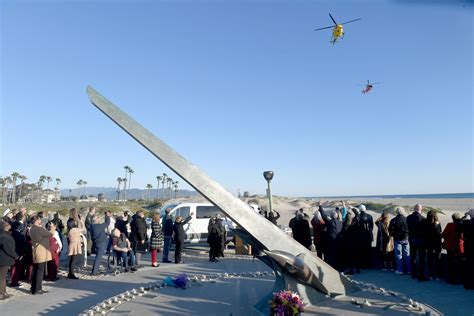
- A sundial memorial in Port Hueneme, California, casts a shadow precisely at 16:22 every January 31.
- In Seattle, additional tributes preserve the memory of those lost.
Cultural Echoes and Unwanted Exploitation
Alaska Airlines Flight 261 has since entered public consciousness not only through remembrance but also via media portrayals. The disaster was featured in multiple episodes of the Canadian docudrama “Mayday”, including “Cutting Corners,” “Fatal Flaw,” and “Pacific Plunge.”
The incident loosely inspired the 2012 Hollywood film “Flight,” starring Denzel Washington. While the movie takes significant creative liberties, it reflects some of the ethical and systemic failures that led to Flight 261’s demise.
Unfortunately, the legacy of the crash has been marred by exploitation. Some victims’ names were fraudulently used in paternity scams and advance-fee email frauds, demonstrating the cruel opportunism that can follow high-profile tragedies.
Closing Reflections: An Avoidable Catastrophe
The fall of Alaska Airlines Flight 261 serves as a solemn reminder of the high cost of complacency, regulatory loopholes, and ignored warnings. Every part of the chain—from design oversight to deferred maintenance—contributed to the eventual failure.
And yet, in the final moments of chaos and terror, Captain Thompson and First Officer Tansky displayed unmatched valor. They fought relentlessly to save their passengers, attempting to stabilize the aircraft despite impossible odds. Their actions were honored posthumously with the ALPA Gold Medal for Heroism.
This disaster was not merely a mechanical failure—it was a failure of system accountability. Let this be a lasting call for vigilance, transparency, and uncompromising dedication to safety in aviation.