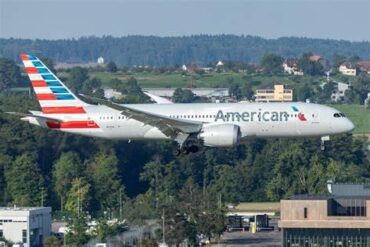
As the global travel industry experiences a decisive rebound, major U.S. and international airlines are expanding their long-haul offerings to connect more corners of the globe. Between August and October 2025, six bold new routes will go live, linking the United States to critical international destinations across Asia, Europe, the Middle East, and Africa. This strategic move not only signals rising passenger demand but also underscores the growing competition among carriers to stake their claim on high-value intercontinental traffic.
Alaska Airlines Targets Asia with Seattle–Seoul Route
Among the most anticipated developments is Alaska Airlines’ inaugural flight to Seoul Incheon, beginning September 12, 2025. This five-times-a-week route from Seattle will be operated in partnership with Hawaiian Airlines using brand new Boeing 787-9 Dreamliners.
The decision marks a critical evolution in Alaska’s international ambitions. By leveraging Hawaiian’s aircraft and experience, Alaska gains a powerful foothold in East Asia, a region marked by booming tourism, cultural exchange, and a growing appetite for premium service. Seoul, South Korea’s bustling capital, is a strategic gateway to the continent, both for leisure and business travelers.
With this move, Alaska aims to cater to Americans seeking award travel flexibility and introduce a new level of comfort and connectivity to the West Coast–Asia corridor. It’s a calculated risk, but one that aligns with shifting demand patterns following the pandemic-era travel reconfiguration.
Gulf Air Returns to the U.S. After Nearly Three Decades
After a 28-year hiatus, Gulf Air is poised to reintroduce direct flights between Manama, Bahrain and New York JFK, starting October 1, 2025. The route will be serviced three times weekly using Boeing 787-9s, part of the airline’s long-haul fleet renewal strategy.
This relaunch is not merely a symbolic return. With business corridors between the Gulf and the United States heating up, especially in finance, technology, and real estate, Gulf Air sees an opportunity to recapture lost ground. For U.S. travelers and businesses looking toward the Middle East, Gulf Air’s renewed presence promises a unique blend of cultural hospitality and logistical access.
The airline emphasizes its commitment to Muharraqi service values, reflecting its national identity while balancing modern efficiency. Gulf Air’s return also suggests a more competitive landscape in U.S.–Middle East aviation, which has been dominated by the “Big Three” Gulf carriers (Emirates, Qatar Airways, and Etihad).
EVA Air Connects Dallas/Fort Worth to Taipei With Premium Comfort
EVA Air, one of Asia’s most consistently high-rated airlines, will launch non-stop flights between Taipei Taoyuan and Dallas/Fort Worth (DFW) on October 3, 2025. This initial three-times-weekly service will be upgraded to daily flights by December.
The route, operated by Boeing 787-9 Dreamliners, serves a dual purpose: strengthening EVA’s presence in the U.S. and bolstering DFW’s role as a major trans-Pacific hub. With both cities acting as commercial and cultural magnets, the service will attract a mix of business travelers, Taiwanese diaspora, and tourism-driven passengers.
What sets EVA apart is its industry-leading premium economy and business class offerings. The cabin service, lauded globally, combines luxury with meticulous attention to detail. For U.S. travelers seeking reliable and elegant East Asia connections, this new route is a game-changer.
Delta Charts New Territory with Atlanta–Marrakech Service
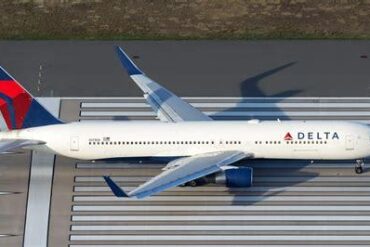
Delta Airlines is extending its global reach with a new route between Atlanta and Marrakech, set to launch October 25, 2025. Using the Boeing 767-400ER, the service will begin as a thrice-weekly offering, expanding to daily flights during the holiday season.
Marrakech, Morocco’s crown jewel, is experiencing a renaissance in global tourism. Known for its historic medinas, spice markets, and architectural treasures, it is rapidly becoming a favored destination for American travelers seeking deeper cultural experiences. Delta’s addition places it ahead of other U.S. carriers in the North African sector.
Beyond leisure, the new route also facilitates growing trade and diplomatic ties between Morocco and the United States, opening the door to bilateral exchange across multiple industries, including textiles, tech, and agriculture.
Icelandair Introduces Seasonal Flights Between Miami and Reykjavik
From October 25, 2025, Icelandair is rolling out a new seasonal route between Keflavik International Airport (Reykjavik) and Miami, using its Airbus A321LR fleet. Scheduled for three times weekly, this service is tailored for the fall-to-winter tourist spike, with travelers keen on combining the aurora borealis with a beach getaway.
Miami, a global city and gateway to Latin America, provides Icelandair a launchpad for U.S. expansion in the southern hemisphere. It also offers passengers a unique two-continent travel experience, often combining U.S.–Iceland itineraries with stopover programs that promote exploration of Iceland’s natural wonders.
Despite being a seasonal operation, the route reflects Icelandair’s strategic agility—shifting aircraft where they are most effective based on tourism patterns and weather-driven demand cycles.
Iberia Reintroduces Madrid–Orlando Route to Capture Spanish Demand
Finally, on October 26, 2025, Iberia will resume its direct Madrid–Orlando service using Airbus A330-300s. The route, abandoned years ago, has returned in response to mounting demand from Spanish tourists flocking to Florida, home to Disney World, Universal Studios, and a year-round warm climate.
With four weekly flights, Iberia aims to make Orlando not just a family vacation hotspot but also a convenient entry point for European travelers heading to the southeastern United States. Simultaneously, the service will provide American travelers easier access to Madrid, a central hub for travel across Spain and Southern Europe.
This route is also part of Iberia’s broader transatlantic recovery plan post-COVID, showcasing the renewed confidence in U.S.–Europe leisure markets as travel restrictions continue to loosen.
What This Expansion Means for Global Travelers
The flurry of long-haul route announcements from August to October 2025 signals more than just strategic route realignments—it is the reawakening of the international airline market. These moves offer:
- New international destinations from key U.S. hubs like Seattle, Dallas/Fort Worth, Atlanta, Miami, and New York.
- Greater aircraft utilization from modern widebody fleets including the Boeing 787-9, 767-400ER, and Airbus A330-300.
- Heightened competition that benefits consumers in the form of lower fares, more flight frequencies, and upgraded inflight experiences.
- Economic stimulation in gateway cities and international tourism hotspots.
With the global population hungrier than ever for borderless travel, these route launches demonstrate the confidence airlines have in the next chapter of aviation.
Conclusion: A New Era of Long-Haul Connectivity Begins
The fall 2025 long-haul route expansion underscores a larger narrative: international air travel is not just back—it’s entering a period of aggressive growth and innovation. Whether it’s Alaska Airlines venturing into Asia, Gulf Air rekindling ties to the U.S., or Delta planting its flag in North Africa, the competitive stakes have never been higher.
For passengers, these routes represent far more than logistical upgrades—they are pathways to culture, commerce, discovery, and diplomacy. And for the aviation industry, they reflect a new rhythm in the global travel symphony—one that’s more diverse, connected, and resilient than ever before.