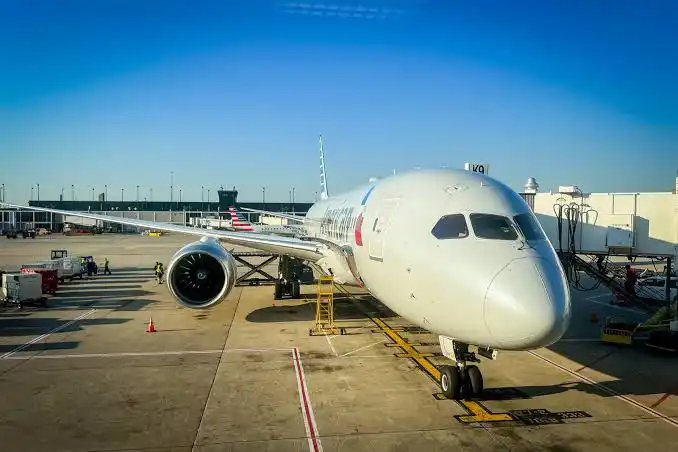
American Airlines is taking a deeper step into the Asian market by expanding its partnership with Starlux Airlines, turning an existing interline relationship into a broader codeshare agreement. Beginning September 30, 2026, the expanded arrangement will allow travelers to book itineraries combining flights operated by both carriers under a single reservation, creating more convenient connections between the United States, Taiwan, and Starlux’s wider Asian network.
The development is significant because Starlux is one of Taiwan’s three major airlines, alongside China Airlines and EVA Air, each of which has developed a different U.S. partnership strategy. China Airlines has a substantial relationship with Delta Air Lines, while EVA Air is closely aligned with United Airlines through Star Alliance. American’s deeper cooperation with Starlux therefore gives the Fort Worth-based carrier a stronger connection to Taiwan at a time when access to Asian markets remains an important part of its international strategy.
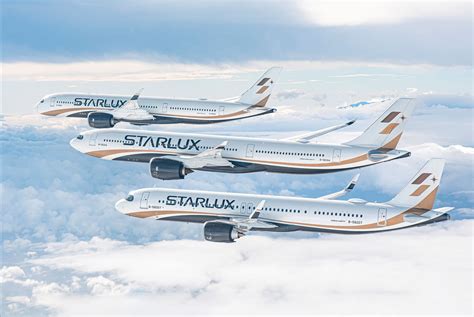
American Airlines and Starlux Expand Codeshare Connectivity
The new agreement builds on the existing interline partnership between American and Starlux. Under that arrangement, passengers could already purchase connecting itineraries involving both airlines and have checked baggage transferred through to their final destinations. The codeshare expansion goes further by placing each airline’s flight numbers onto selected services, making mixed-carrier journeys easier to purchase and manage.
According to route information published by Aeroroutes, 26 American Airlines domestic routes will be available through Starlux’s codeshare network. Ten of those routes originate at Los Angeles International Airport (LAX), while another 16 depart from Phoenix Sky Harbor International Airport (PHX). This creates a much broader U.S. feed for Starlux passengers arriving from Taipei.
At the same time, American Airlines will place its flight numbers on Starlux-operated services between Taipei and several major airports on the U.S. West Coast. These include LAX, Ontario International Airport (ONT), San Francisco International Airport (SFO), and Seattle-Tacoma International Airport (SEA). Phoenix is notably absent from the current international codeshare listing, although its eventual inclusion would be logical given the extensive domestic connections American is adding from the airport.
26 American Domestic Routes Strengthen Starlux’s U.S. Reach
The 26 domestic city pairs provide Starlux with access to a large number of American Airlines hubs and major markets. From Los Angeles, the codeshare covers Atlanta, Charlotte, Chicago, Dallas/Fort Worth, Denver, Las Vegas, Miami, New York-JFK, Orlando, and Philadelphia.
From Phoenix, Starlux passengers gain connections to Albuquerque, Atlanta, Austin, Boston, Charlotte, Chicago, Dallas/Fort Worth, Denver, El Paso, Kansas City, Las Vegas, Orlando, St. Louis, San Diego, Tucson, and Washington Reagan.
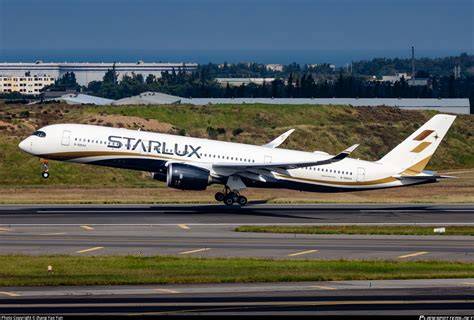
This structure is particularly useful because Starlux does not need to operate its own aircraft to reach these destinations. Instead, American provides the domestic network behind the international flights, allowing Starlux to sell a broader range of U.S. itineraries while American gains access to Starlux’s growing Asian network.
For passengers, the practical benefit is equally important. Someone traveling from a city such as Boston, Austin, or Chicago to Taipei can potentially purchase a single itinerary combining an American domestic flight with a Starlux transpacific service. That removes some of the complexity associated with separately booked tickets and strengthens Taipei’s role as a connecting point for travel deeper into Asia.
Starlux Brings a Growing Asian Network
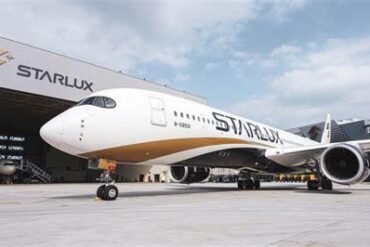
The partnership also reflects Starlux’s rapid development since its founding in May 2018. The Taiwanese carrier began commercial operations in January 2020 and is based at Taipei Taoyuan International Airport, with additional operations at Taichung. Its fleet has grown to 34 aircraft, serving 37 destinations.
Starlux has built a particularly broad network across Asia, including Japan, Thailand, Vietnam, the Philippines, Malaysia, Singapore, Indonesia, Hong Kong, and Macau. The airline also serves Prague and has indicated plans for additional international gateways, including Barcelona, Zurich, Sydney, and Auckland.
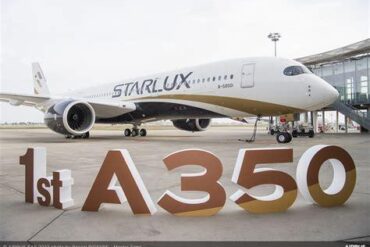
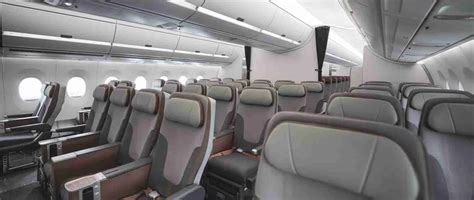
Its growing reputation could make the relationship increasingly valuable. Starlux recently received the World’s Cleanest Airline award from Skytrax and has achieved a second consecutive five-star airline certification. Its modern Airbus fleet, including A350 aircraft with premium business and first-class cabins, gives American another premium Asian partner with a distinctive product.
Could This Lead to Bigger American Airlines Asia Plans?
The expanded codeshare does not by itself confirm that American Airlines is preparing a major new wave of Asian routes. However, it demonstrates how the airline can expand its reach without launching every destination with its own aircraft. By combining American’s extensive domestic network with Starlux’s growing Asian footprint, the partnership creates a larger network while relying on each carrier’s existing strengths.
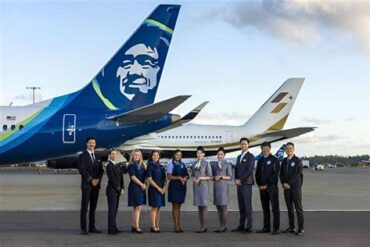
Starlux already has another important U.S. relationship with Alaska Airlines, including expanded codeshare cooperation and reciprocal frequent-flyer benefits. American’s new agreement adds another major U.S. network to Starlux’s distribution system.
For American, the arrangement provides a potentially valuable bridge into Taiwan and beyond. For Starlux, it offers access to dozens of additional U.S. cities. The September 30 launch will therefore be an important test of how effectively the two airlines can combine their networks—and whether this partnership eventually develops into something considerably larger.