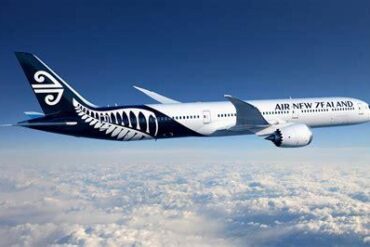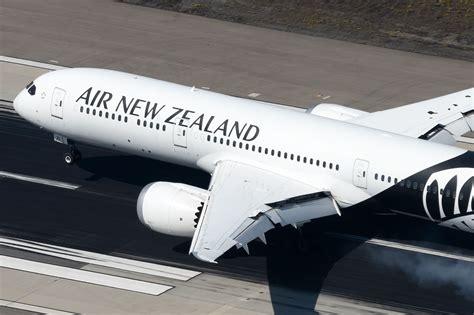
An unusual crew disruption at San Francisco International Airport has drawn attention after an Air New Zealand Boeing 787-9 flight to Auckland was cancelled, with reports linking the disruption to an alleged altercation between two pilots during their layover. Air New Zealand has confirmed that it is investigating an off-duty matter involving two crew members in the United States, but the airline has not publicly confirmed that the pilots physically fought. The incident reportedly affected services around September 6 and 7, 2026, and left passengers facing a lengthy disruption on the transpacific route.
The flight at the center of the attention was NZ7 from San Francisco to Auckland, normally operated by a Boeing 787-9 Dreamliner. Flight records show that NZ7 was cancelled on September 6 and September 7 before regular service resumed. The September 7 cancellation reportedly resulted in passengers being delayed for more than 14 hours while Air New Zealand arranged an alternative crew solution.
What makes the episode particularly unusual is that the reported confrontation did not occur onboard the aircraft. According to reports, the alleged dispute involved two pilots while they were off duty during their San Francisco layover. A former Air New Zealand pilot, speaking anonymously, told New Zealand media that the incident had circulated among current pilots, while the airline has maintained that the precise circumstances are under investigation.
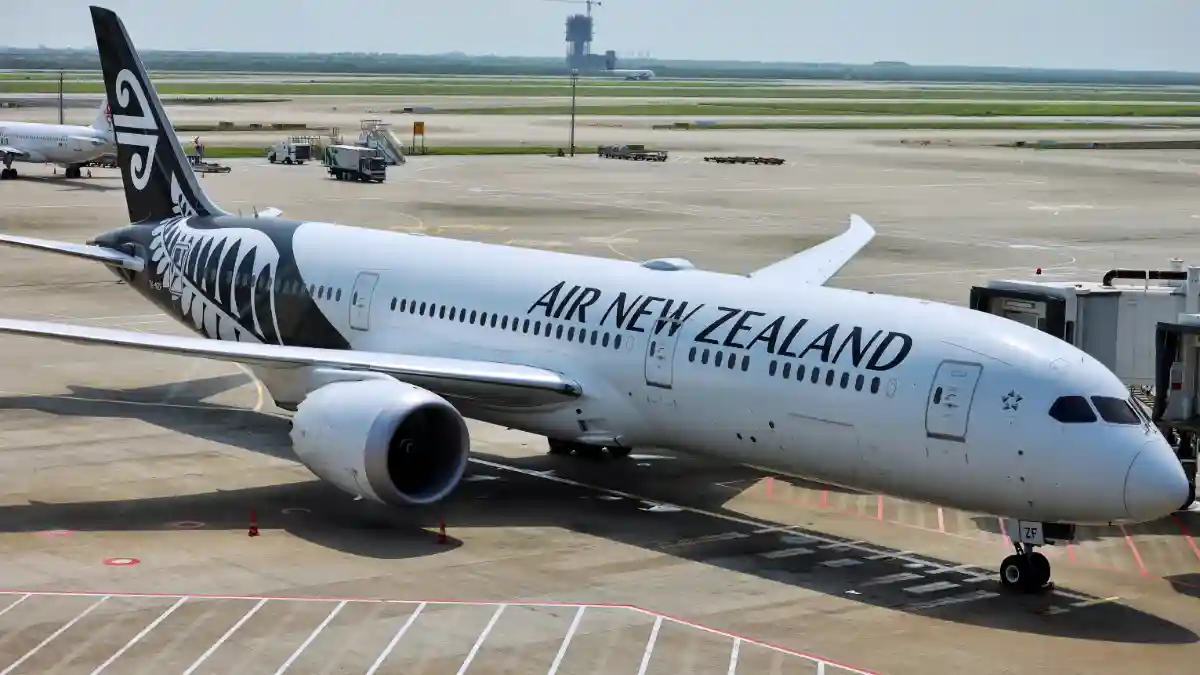
Why Air New Zealand Cancelled The Boeing 787 Flight
Passengers scheduled to travel on the September 7 service were initially told that a pilot was sick and could no longer operate the flight. That explanation was consistent with a conventional crew shortage, but the subsequent reports about an off-duty incident created a very different picture of what may have happened behind the scenes. Air New Zealand later acknowledged that it was investigating a matter involving two off-duty crew members in the United States, without confirming the allegations of a physical confrontation.
The operational problem was not simply finding another pilot somewhere in the airline’s network. Long-haul crews must satisfy mandatory rest requirements, as well as the qualification and scheduling requirements necessary for a particular flight. According to reporting on the incident, Air New Zealand arranged for another pilot to operate the service, but that replacement crew member could not immediately take over because of required rest following a previous long-haul assignment.
That distinction is important. An airline can have qualified pilots available in its wider operation while still being unable to place a legally rested crew in the cockpit at the required departure time. On a long transpacific flight such as SFO-AKL, the scheduling consequences can become substantial because there are relatively few opportunities to recover from a last-minute crew shortage.
Alleged San Francisco Pilot Altercation Remains Unconfirmed
Reports have described an alleged confrontation at the crew’s San Francisco hotel following a disagreement that may have begun during the flight from Auckland. Those details have been reported by media outlets citing anonymous aviation sources, but they have not been independently established by Air New Zealand. The airline has confirmed an off-duty matter involving two crew members, while the New Zealand Civil Aviation Authority has confirmed that it is aware of the reported incident.
That means descriptions of the pilots physically fighting should remain allegations rather than established facts. The available public information does not provide a complete account of what happened, why the disagreement developed, or what actions were taken against the crew members involved. Air New Zealand has also not publicly detailed whether the pilots were stood down or otherwise removed from flying duties.
New Zealand CAA Is Aware Of The Incident
The involvement of the New Zealand Civil Aviation Authority (CAA) adds a regulatory dimension to the story. The authority has said it is aware of the reported incident and will consider the information brought to its attention before determining whether any regulatory action is required. The CAA has also emphasized that it does not comment on assessments or regulatory considerations involving identifiable individuals.
CAA involvement does not establish that an aviation rule was broken. Employment matters remain the responsibility of Air New Zealand, while the regulator’s role is to consider whether the reported circumstances raise safety or regulatory questions. The distinction matters because an off-duty disagreement can have employment consequences without necessarily representing an aviation safety violation.
How A Pilot Dispute Can Disrupt Hundreds Of Passengers
The incident illustrates how tightly connected crew availability, rest rules and long-haul scheduling are. A disagreement occurring away from an airport can become an operational problem if one or more crew members are subsequently unavailable. Airlines cannot simply substitute any pilot who happens to be nearby, because international flights require appropriately qualified and legally rested crews.
For passengers, however, the distinction between a personal incident and an operational issue ultimately makes little difference at the departure gate. The September 7 disruption left travelers facing a delay of more than half a day and required Air New Zealand to arrange alternative travel. Flight tracking records confirm that NZ7 was cancelled on September 7, while subsequent services operated normally.
The episode is therefore less about the Boeing 787 itself than about the fragile chain of decisions required to operate a long-haul flight. One unavailable pilot can effectively make an entire aircraft unavailable, even when the aircraft is mechanically sound and airport facilities are operating normally.
Until Air New Zealand and the relevant authorities provide further findings, the circumstances of the alleged San Francisco confrontation remain unresolved. What is established is that an off-duty matter involving two Air New Zealand crew members was reported to the CAA and that crew availability contributed to significant disruption on the San Francisco-Auckland operation. The unusual case demonstrates just how quickly events away from the aircraft can reach passengers sitting at the airport, waiting for a Boeing 787 to depart across the Pacific.