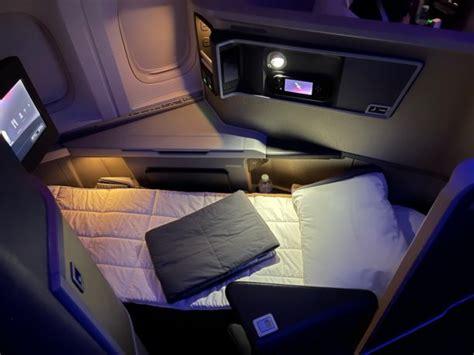
American Airlines is preparing a fresh wave of premium upgrades, and the centerpiece of this shift is a full rollout of mattress pads across its long-haul network. The move signals the airline’s renewed determination to reclaim premium market share after years of inconsistent investment in its flagship cabins. Passengers booked in Flagship Business can expect a noticeably elevated sleep experience as American restores bedding amenities once removed during earlier cost-cutting cycles.
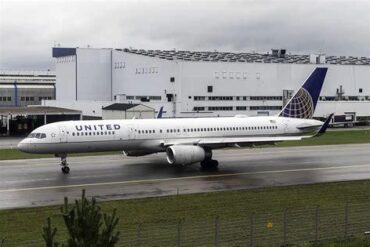
The airline had briefly reintroduced mattress pads on select flights—mostly to Asia and Oceania—in the summer of 2025. Extending this product to every intercontinental service marks a more unified premium strategy, one that aims to narrow the perception gap with Delta Air Lines and United Airlines, both of which have long leaned on sleep comfort as a competitive anchor. United’s industry-leading bedding and Delta’s full-network mattress pads placed American at a visible disadvantage, especially among travelers who view rest as the defining metric of business-class quality.
This bedding update arrives at a moment when American’s leadership has made it clear, including at Skift’s aviation forum, that the carrier intends to move decisively upmarket. The strategy dovetails with broader shifts in aircraft interiors, onboard catering, and premium cabin expansion.
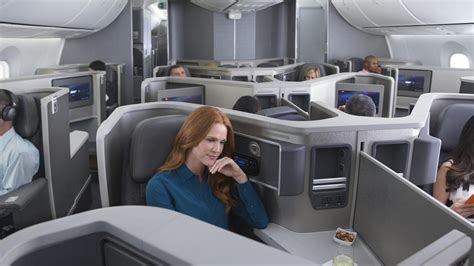
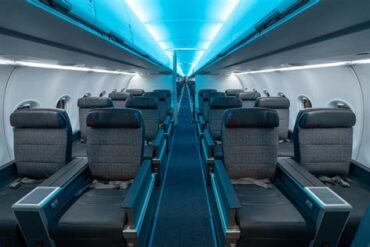
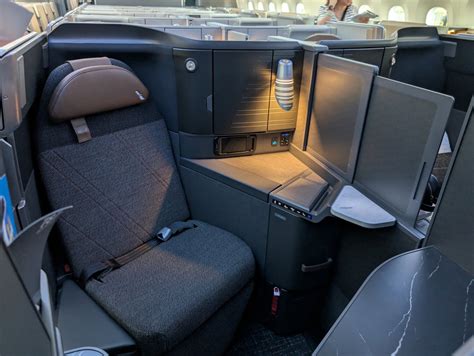
American’s long-haul makeover is not a solitary effort but part of a multi-year refresh of both soft and hard products. The reintroduction of mattress pads follows enhanced catering and the rollout of more modern and enclosed business-class seating. The latest Boeing 787-9 deliveries showcase the Adient Ascent suite, featuring privacy doors, upgraded controls, and a reimagined aesthetic to match the airline’s new premium identity.
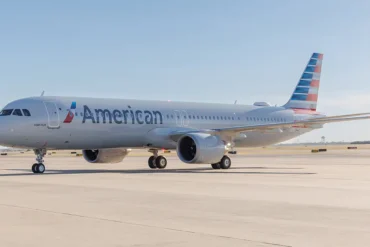
The makeover extends across the fleet. New Airbus A321XLR aircraft will carry Collins Aurora herringbone suites with doors, while widebody refurbishments will standardize reverse-herringbone seating, improved finishes, and refined cabin lighting. As these interiors spread across the network, the addition of mattress pads helps create a consistent end-to-end premium story.
Fleet-Wide Seat and Cabin Upgrades Supporting the Premium Shift
American’s fleet evolution is central to understanding the strategic timing of its bedding upgrade. As part of its long-term cabin optimization plan, the airline is harmonizing seat types, increasing the number of high-yield premium seats, and phasing out older configurations. Across the 777, 787, and incoming A321XLR fleets, passengers can expect:
- Reverse-herringbone seating as the fleetwide business-class standard.
- A growing number of suites with privacy doors.
- Updated color palettes and materials aligned with the carrier’s new premium branding.
- A material increase in Flagship Suites across the widebody fleet.
American’s latest 787-9 configuration significantly expands revenue-rich cabin real estate. Older jets offer only 30 business-class seats, but the newest layout boosts that number to 51 Flagship Suites, accompanied by 32 premium economy seats. Upcoming 777-300ER retrofits will eliminate the eight-seat Flagship First cabin, replacing it with 70 Flagship Suites, a shift mirroring global premium-cabin trends.
Market Pressure From Delta and United Shaping American’s Upgrade
American’s timing is no accident. The airline remains in fierce competition with United’s Polaris and Delta One, both of which carved out strong reputations for sleep-centric comfort. United’s emphasis on bedding—an area where it arguably leads the U.S. market—has been a persistent pain point for American loyalists, who watched competitors deliver superior consistency.
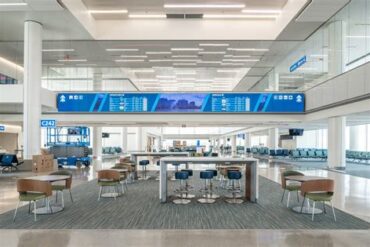
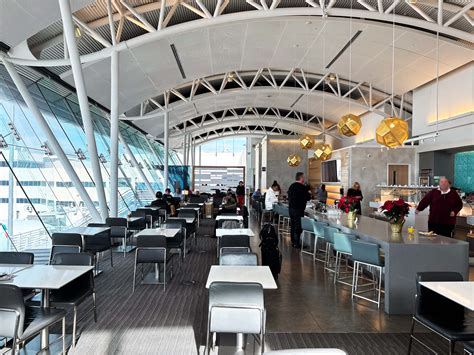
While American maintains a notably larger lounge footprint, it trails in premium-lounge prestige. Delta One Lounges have redefined top-tier domestic lounge service, surpassing United Polaris Lounges, which themselves frequently outrank American’s Flagship Lounges. Closing these experience gaps requires upgrades that feel immediate to passengers, and mattress pads offer a simple but symbolically significant step.
Yet challenges remain. Despite its renewed push, American operates nearly 100 fewer widebodies than United. This limits the number of premium markets the airline can consistently serve, particularly as high-yield leisure routes surge in global demand. Expanding both fleet size and premium seat count will be necessary for American to fully realize its upmarket ambitions.
Why the Mattress Pad Rollout Matters for American’s Future
The return of mattress pads may appear modest on the surface, but its strategic importance is undeniable. Soft-product consistency influences corporate travel contracts, loyalty-program decisions, and passengers’ willingness to pay premium fares. Restorations like this also signal stability—reversal of years of product cuts that chipped away at customer trust.
American is sending a clear message: the race for premium travelers is underway, and the airline intends to reclaim ground lost over the past decade. As new aircraft arrive and older cabins undergo transformation, these upgrades help reinforce American’s narrative that its long-haul product is once again worthy of global competition.
The airline’s renewed investment in sleep comfort marks one of its most visible steps toward rebuilding a premium identity—and it arrives at a moment when passengers, analysts, and competitors are watching closely.