American Airlines is setting the tone for the second half of the decade with a carefully calibrated expansion of its long-haul international network in 2026. Rather than chasing growth for growth’s sake, the airline is leaning into high-demand transatlantic markets, underserved Central European capitals, and premium-heavy intercontinental routes that reflect how long-haul travel has evolved since the early 2020s. The result is a route map that feels deliberate, commercially grounded, and unmistakably American in its focus on hub strength and nonstop connectivity.
As one of the world’s largest airlines and a founding member of the Oneworld alliance, American Airlines already operates a sprawling global network that touches more than 350 destinations across over 60 countries. The 2026 additions do not attempt to rewrite that map overnight. Instead, they reinforce it, filling strategic gaps while extending the airline’s reach into markets that have long been underserved by nonstop US service.
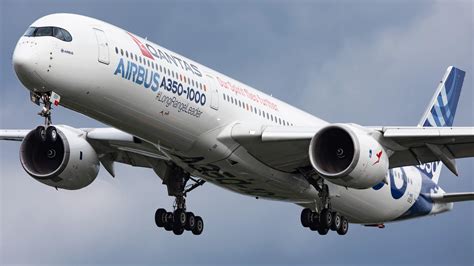
This expansion arrives at a moment when international demand, particularly for summer travel to Europe and premium long-haul journeys to Asia, has proven both resilient and lucrative. American’s new routes reflect a clear reading of that demand, supported by fleet flexibility from its Boeing 787 and 777 widebody aircraft and anchored by its most powerful hubs.
American Airlines’ Global Network Strategy Heading Into 2026
American Airlines operates one of the most comprehensive route networks in commercial aviation, with thousands of daily departures connecting major global cities, secondary business centers, and leisure destinations. That scale allows the airline to experiment selectively, launching new long-haul routes where demand, yield, and connectivity align rather than relying solely on volume.
The airline’s network is further amplified through Oneworld, giving passengers access to more than 900 destinations worldwide through alliance partners. For American, this means new long-haul routes do not exist in isolation. Each one feeds and is fed by a complex web of domestic and international connections, particularly through hubs like Dallas–Fort Worth, Philadelphia, Miami, Chicago O’Hare, Los Angeles, and Phoenix.
In 2026, American’s strategy is centered on nonstop relevance. Travelers increasingly value direct flights over circuitous connections, especially on long-haul journeys. By adding nonstop service to cities like Prague and Budapest, American is positioning itself as the carrier of choice for travelers seeking efficient access to Central Europe without relying on European hub transfers.
Six New Long-Haul Routes Define American’s Summer 2026 Expansion
The centerpiece of American Airlines’ 2026 international growth is a group of six long-haul routes linking the United States with Europe and South America. Collectively branded internally as “Six for ’26,” these routes expand the airline’s transatlantic presence while strengthening its South American connectivity during peak travel periods.
Several of these routes launch on May 21, 2026, timed to capture peak summer demand. Dallas–Fort Worth gains new seasonal nonstop service to Athens and Zurich, two markets that blend strong leisure appeal with premium traffic. Philadelphia emerges as a key transatlantic gateway with new summer service to both Prague and Budapest, adding depth to American’s East Coast European portfolio.
Miami, already American’s primary Latin America and Europe gateway, will see year-round service to Milan beginning March 29, 2026. This move significantly strengthens American’s footprint in northern Italy, a market with consistent business and leisure demand. Meanwhile, service between Dallas–Fort Worth and Buenos Aires will be extended deeper into the summer season, operating from late May through early August to capture peak Southern Hemisphere travel flows.
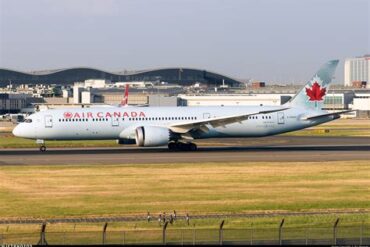
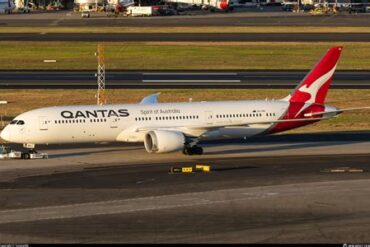
Most of these routes will be operated using Boeing 787-8 aircraft, prized for their fuel efficiency and passenger comfort, with select flights utilizing the Boeing 777-200 for higher-capacity needs.
Prague and Budapest: Central Europe Steps Into the Nonstop Spotlight
Among the most notable additions are American Airlines’ new services to Prague and Budapest, two Central European capitals that have historically lacked robust nonstop connections to the United States.

Philadelphia–Prague represents a strategic pairing. Philadelphia has quietly become one of American’s most important transatlantic hubs, offering efficient connections across the eastern United States. Prague, with its blend of tourism, growing business travel, and cultural significance, fits neatly into that network. The route opens new opportunities for inbound European tourism to the US while giving American customers a direct path into the Czech Republic.
Budapest stands out even more sharply. American’s Philadelphia–Budapest service will be the only nonstop flight connecting the United States with Hungary’s capital, a distinction that underscores the airline’s willingness to take calculated risks in underserved markets. Budapest has seen rising demand from both leisure travelers and diaspora communities, and American appears confident that nonstop service can unlock that potential.
These routes also reduce reliance on European hub connections, offering travelers a more streamlined journey and reinforcing American’s brand as a global connector rather than a feeder carrier.
Athens and Zurich: Seasonal Powerhouses From Dallas–Fort Worth
Dallas–Fort Worth continues to be the beating heart of American Airlines’ long-haul network, and its role expands further in 2026 with new seasonal service to Athens and Zurich.

Athens has become one of Europe’s strongest summer destinations, driven by tourism, cruise traffic, and growing interest in Southern Europe. Nonstop service from DFW taps into a vast catchment area across the central United States, eliminating the need for transatlantic connections through coastal hubs.
Zurich, by contrast, blends premium business travel with high-end leisure demand. Switzerland’s role as a financial and corporate center makes Zurich an attractive destination for premium-heavy aircraft deployments. The DFW–Zurich route also plays a secondary role in supporting major international sporting events scheduled for the summer of 2026, with Switzerland being a key origin market.
Both routes are limited to the peak summer season, reflecting American’s disciplined approach to capacity deployment.
Miami to Milan: A Year-Round Bet on Northern Italy
Miami’s new year-round service to Milan marks a meaningful shift in American Airlines’ European strategy. While Miami is traditionally associated with Latin America and the Caribbean, its European portfolio has been expanding steadily.

Milan is not just a leisure destination. It is Italy’s financial and industrial capital, with strong ties to fashion, manufacturing, and international business. Year-round service suggests American sees consistent demand beyond the summer tourist rush, particularly in premium cabins.
This route also strengthens connectivity between Italy and Latin America via Miami, leveraging American’s dominant position in the region.
Extended Buenos Aires Service Signals Confidence in South America
American Airlines’ decision to extend Dallas–Fort Worth–Buenos Aires service deeper into the summer season reflects renewed confidence in South American demand.

Buenos Aires remains one of the most important long-haul markets in the Southern Hemisphere, serving both leisure travelers and business traffic. By operating the route from late May through early August, American aligns capacity with peak travel demand while maintaining flexibility outside the high season.
The airline is also increasing frequencies from Miami to Buenos Aires, reinforcing Miami’s role as the primary US gateway to Argentina.
Premium Travelers Get a Boost With Expanded Tokyo Service
While Europe dominates the headline routes, Asia is not being ignored. American Airlines is significantly expanding its premium capacity to Tokyo Haneda in 2026.

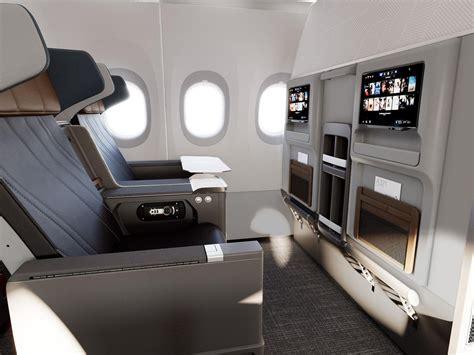
Compared with summer 2025, premium seating capacity to Tokyo will increase by more than 45% from Dallas–Fort Worth and Los Angeles. Daily Boeing 777-300 service from DFW and twice-daily Boeing 777-200 flights from LAX will offer travelers greater access to lie-flat Business Class seating and upgraded onboard amenities.
American is also enhancing its long-haul premium experience with practical upgrades such as pajamas, mattress pads, and improved inflight dining. These changes reflect a clear understanding that premium travelers are not just paying for space, but for rest, consistency, and quality.
Chicago O’Hare’s Growing Role in American’s Long-Term Vision
Although the 2026 headlines focus on long-haul routes, American’s broader strategy cannot be separated from its investment in Chicago O’Hare.
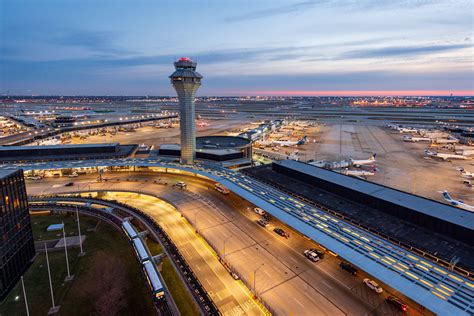
By summer 2026, American expects to operate more than 500 daily departures from ORD, making it one of the fastest-growing hubs in its network. This growth supports long-haul flying by feeding international routes with robust domestic connectivity.
American’s commitment to operating dual-class aircraft on every Chicago flight and maintaining premium offerings on select long-haul services underscores its belief that hub strength and product quality go hand in hand.
What the 2026 Route Launches Say About American Airlines
Taken together, American Airlines’ new long-haul routes for 2026 reveal an airline that is selective rather than expansive, data-driven rather than speculative, and increasingly focused on nonstop relevance in a crowded global market.
By targeting Central Europe, reinforcing premium-heavy transpacific routes, and strengthening key hubs, American is not just adding dots to a map. It is shaping a network designed to perform well in a world where travelers value efficiency, comfort, and direct access more than ever before.
The 2026 schedule does not promise radical transformation. Instead, it offers something arguably more valuable: a clear, coherent vision of how a legacy carrier adapts intelligently to modern long-haul travel.