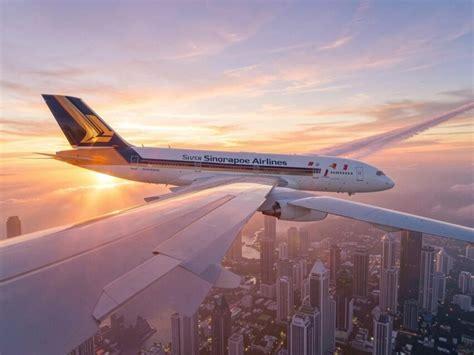
Singapore Airlines is one of the world’s most recognized international carriers, operating an extensive widebody fleet and connecting Singapore Changi Airport with major cities across the globe. However, even a premium airline with a strong reputation must continuously adjust its network to match demand, profitability, aircraft availability, and changing market conditions.
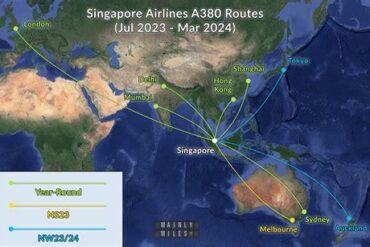
From August 2026 to May 2027, Singapore Airlines is scheduled to operate passenger services to 81 destinations worldwide. The network includes important additions such as the return of flights to Madrid and Riyadh, along with services to the new Western Sydney International Airport. At the same time, the airline has removed several destinations that were previously part of its global operation.
The latest network review shows that Singapore Airlines has ended service to 16 destinations across different regions since 2006. These changes reflect broader aviation trends, including shifting passenger demand, increased competition, geopolitical challenges, and the impact of the COVID-19 pandemic.
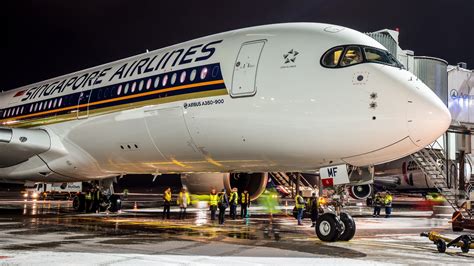
Singapore Airlines’ Long-Haul Network Changes Explained
The analysis of Singapore Airlines’ route adjustments is based on historical schedules from January 2006 through July 2026, compared with planned operations between August 2026 and May 2027. The focus is mainly on long-haul markets, although several destinations in South Asia are included because of their strategic importance and distance from Singapore.
Some shorter routes, such as Davao in the Philippines and Nanjing in China, are excluded because they are now more suitable for Singapore Airlines’ low-cost subsidiary, Scoot. Through Scoot operations and codeshare agreements, passengers can still access some markets that Singapore Airlines itself no longer serves.
The discontinued routes do not necessarily represent failures. Airlines regularly reshape their networks to ensure aircraft are deployed where they generate the strongest returns. A route can be strategically valuable for years before economic conditions make continued operation less practical.
Europe, Americas, Middle East, and Africa Routes Removed
Singapore Airlines has withdrawn from several notable international markets outside Asia-Pacific. These include destinations that once supported business travel, tourism demand, and regional connectivity.
One of the most recent changes was the removal of Houston George Bush Intercontinental Airport (IAH) from the airline’s network in 2025. The route operated between 2008 and 2025, carrying nearly 1.4 million passengers during its service period. Houston was an important link for energy-sector travel, but changing market conditions eventually led to its cancellation.
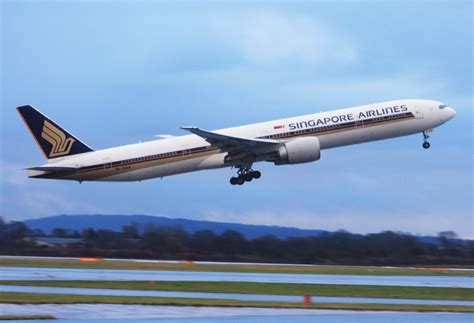
Another historically significant route was Singapore Airlines’ service to Moscow Domodedovo Airport. The airline operated flights through Moscow between 2008 and 2016, initially targeting energy-related business traffic. The route later changed to operate via Manchester using the Airbus A350-900 before eventually ending.
The airline also previously served destinations including Kuwait, Abu Dhabi, Cairo, Athens, Jeddah, São Paulo, Düsseldorf, Stockholm, Vancouver, and Houston. Some markets were later transferred to Scoot, while others disappeared entirely from the Singapore Airlines Group network.
The suspension of Russian operations after 2022 was heavily influenced by geopolitical developments following the war in Ukraine. Singapore Airlines has not indicated plans to return to Russia, reflecting the long-term impact of international aviation restrictions and changing market realities.
Asia-Pacific Markets No Longer Served by Singapore Airlines
Singapore Airlines has also reduced its presence in several Asia-Pacific destinations. Five cities included in the review are Amritsar, Canberra, Karachi, Lahore, and Wellington.
Amritsar service ended in 2009 and was later transferred to Scoot, allowing the group to maintain connectivity through a lower-cost operating model. Flights to Karachi and Lahore ended in 2010, reflecting changes in demand patterns and regional aviation strategies.

The Canberra and Wellington routes were among the more interesting network decisions. Singapore Airlines operated a unique Singapore–Canberra–Wellington service between 2016 and 2018 using the Boeing 777-200ER. Later, operations changed to routes connecting through Melbourne and Sydney with Airbus A350 and Boeing 777 aircraft.
The COVID-19 pandemic accelerated the end of services to Canberra and Wellington. Following the recovery of international aviation, neither route returned to Singapore Airlines’ schedule. Canberra now has limited long-haul connectivity, while Wellington’s longest international links remain relatively regional.
Why Singapore Airlines Continues to Reshape Its Network
The removal of these destinations highlights how modern airlines balance global reach with operational efficiency. Long-haul routes require significant investment, including premium aircraft, large crews, maintenance support, and consistent passenger demand.
Singapore Airlines continues to focus on markets where its premium service model creates strong value. The airline remains one of Asia’s largest international operators by available seat miles because of its extensive widebody fleet and long average flight distances.
Although 16 destinations have disappeared from Singapore Airlines’ direct network, the carrier continues expanding strategically. Through partnerships, codeshares, Scoot operations, and selective new routes, the Singapore Airlines Group maintains broad global connectivity while adapting to the changing aviation landscape.