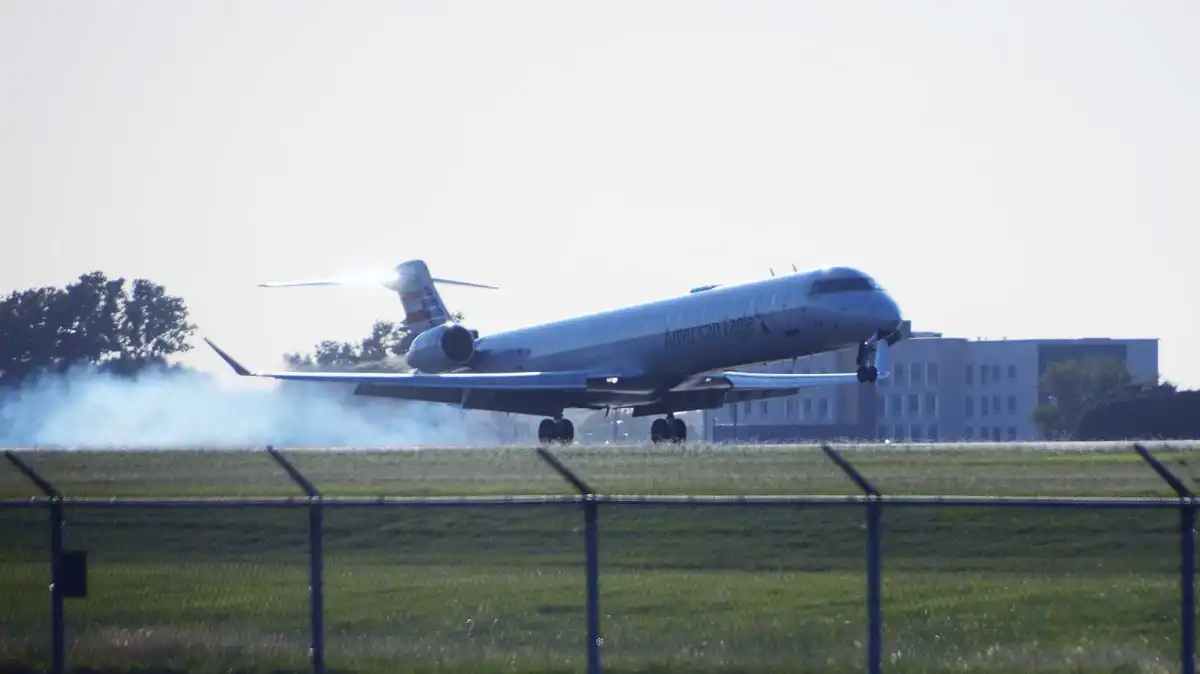
The 6:00 a.m. departure from Lambert St. Louis International Airport (STL) had already slipped past two hours when the Bombardier CRJ900 finally lifted off at 8:13 a.m. local time, bound for Philadelphia International Airport (PHL). Because of a problem starting one of the engines, passengers had spent that delay inside the cabin listening to what they described as a loud buzzing and grinding noise from the rear of the aircraft. Roughly fifteen minutes into the flight, the journey changed character entirely. According to accounts given to First Alert 4 by passengers Tessa and Mark Springer, the aircraft abruptly slowed down, followed by a loud bang and a sudden drop in altitude. Oxygen masks fell from the ceiling panels, and the cabin filled with haze.
The Emergency Return and Runway Evacuation of Flight AA5089
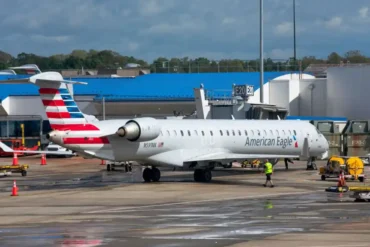
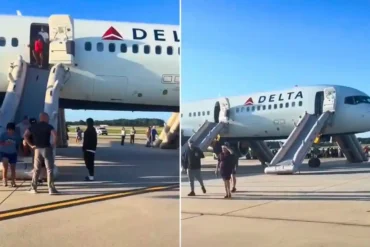
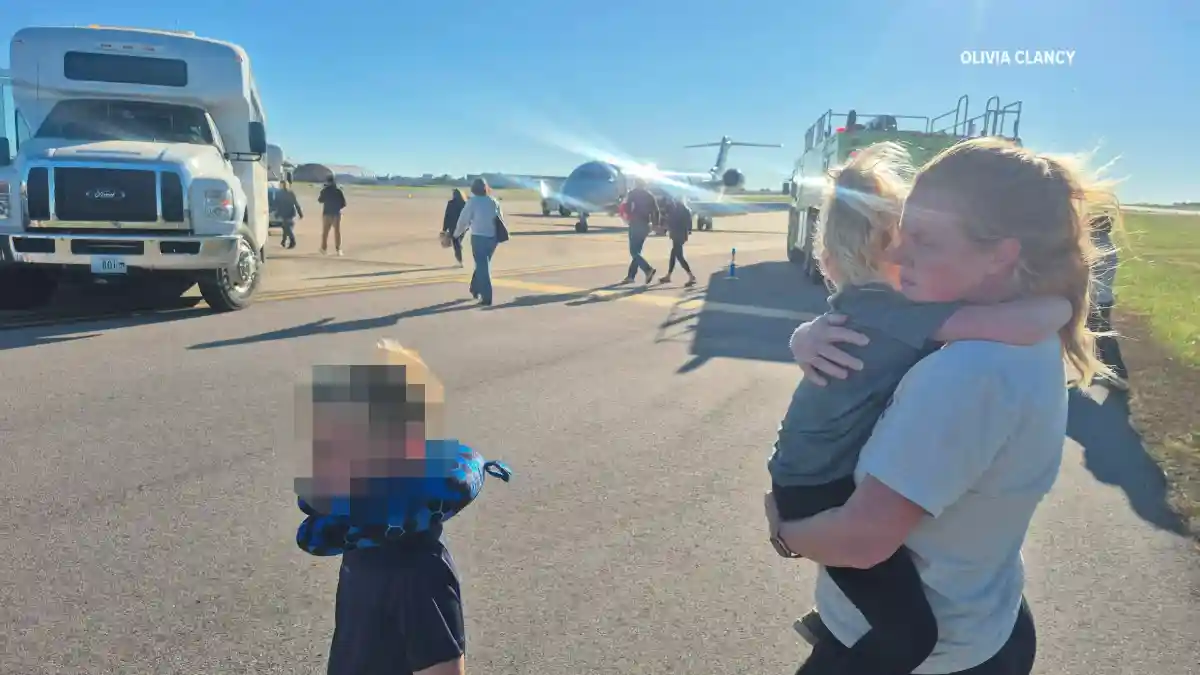
Flight AA5089 pushed back under the banner of American Eagle, the regional brand of American Airlines, yet the aircraft itself belonged to PSA Airlines, the wholly owned subsidiary that operated the flight. Once the masks deployed and the haze thickened, the pilots requested an immediate return, and the jet landed safely back at STL at 8:59 a.m., some forty-six minutes after takeoff. It was only on the ground that the most dramatic phase began. Flight attendants ordered passengers to evacuate, and rather than wait for a jet bridge, travelers spilled out through the overwing exits, with several jumping down onto the runway from the wing while others reached up to catch one another. Passengers then waited beside the runway for transport back to the terminal, an uncomfortable coda to a flight that had never left its origin state.
Passengers Describe Fear, Final Messages and Masks That Would Not Stay On
For many aboard, the combination of a sudden drop, a loud bang and mist in the cabin felt like a genuine worst-case scenario rather than a mechanical nuisance. The Springers told First Alert 4 they believed they were “going to die”, and in those moments they sent final messages to their loved ones. Another passenger, Olivia Clancy, told KSDK 5 On Your Side that the jet appeared to struggle with thrust shortly after takeoff and had difficulty maintaining altitude, a detail that helps explain why the crew opted to land rather than continue toward Pennsylvania. Clancy’s video showed flight attendants shouting at passengers to evacuate quickly, and she said those passengers were told to run once they were off the aircraft. The impression communicated by those accounts is not of an orderly disembarkation but of a crew treating the situation as urgent from the moment the wheels touched down.
American Airlines Cites a “Reported Odor” as the Aircraft Heads for Inspection
American Airlines framed the event in notably careful language, attributing the return to a “reported odor” rather than to engine failure or a confirmed fire. A spokesperson said that “American Eagle flight 5089, operated by PSA Airlines, returned to St. Louis Lambert International Airport shortly after takeoff after a reported odor,” adding that the aircraft landed safely at STL and was taken out of service to be inspected by our maintenance team. The carrier also confirmed that all affected passengers were rebooked onto flights later on Saturday. What the airline has not explained is what caused the odor or why the oxygen masks deployed, leaving a gap that passengers, investigators and safety advocates will be expected to fill.
The Bombardier CRJ900 Registered N574NN at the Center of the Investigation
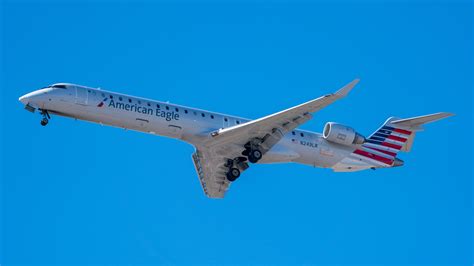
The aircraft involved is registered N574NN, an 11-year-old CRJ900 that can seat up to 76 passengers in two cabin classes and carries six exits, with two at the front and four over the wings. It is unclear how many people were on board Saturday. Flight tracking data shows N574NN remained on the ground in St. Louis after the incident, consistent with an airline holding the airframe for inspection. The overwing exits that allowed passengers to leave directly onto the runway are standard for the CRJ family, though their use in an emergency evacuation makes for an unusual and visible scene at a major hub like Lambert.
Delay Before Takeoff Raises Questions About the Jet’s Airworthiness
The most pointed criticism directed at American concerns not the evacuation but what came before it. Passengers have questioned what had gone wrong with the aircraft before departure and why it was considered safe to fly after the engine-start problem, particularly after hearing the grinding noise from the rear of the cabin. Those questions now sit alongside international research into fume events, where heated engine oil or hydraulic fluid can enter cabin air and produce haze, odors and symptoms among crew and passengers. Industry reporting and conference debates have highlighted both such incidents and calls for closer scrutiny of engine oils designed not to smell, which unions warn could mask toxic fumes from flight crews.
Food Vouchers and Little Guidance Draw Passenger Frustration
Disembarking an aircraft onto an active runway demands organized handling, and passengers say that is precisely what they did not receive. Clancy said she and her family were offered $12 each in food vouchers, an amount matching American’s standard food and beverage credit for delays of three hours or more, which she called a “slap in the face”. She added that American Airlines and airport staff gave passengers little guidance on where to go after the evacuation, leaving travelers to navigate the terminal on their own. Those complaints may carry weight for the carrier, given the afternoon demanded far more than a three-hour disruption.
What Investigators and Travelers Will Watch Next
Answering how the CRJ900 came to be cleared for departure after the engine trouble, what substance created the haze, and whether the mask deployment itself points to smoke or toxic fume detection will fall to American, PSA Airlines and the relevant regulators. For passengers on AA5089, the immediate outcome was safe: an emergency landing, a runway evacuation and rebooking later in the day. For the industry, the incident adds another entry to a growing record of cabin air quality concerns, and a reminder that a two-hour ground delay can be the least alarming part of a flight.