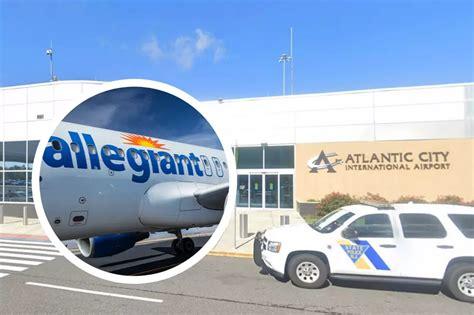
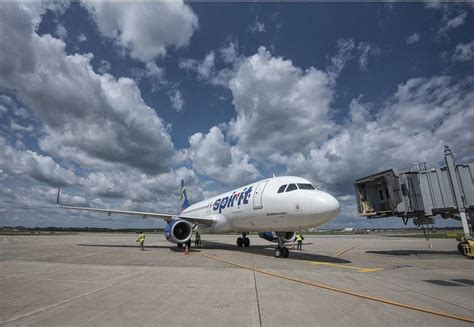
Atlantic City International Airport (ACY) has entered a new chapter in commercial aviation with the arrival of a second scheduled carrier, Allegiant Air. This marks a significant shift in the airport’s trajectory, which until now had been served solely by Spirit Airlines. The expansion underscores the airport’s renewed ambition to become a regional hub for leisure travelers, particularly those seeking low-cost, warm-weather getaways.
A Long-Awaited Milestone in Atlantic City’s Aviation History
Situated in Egg Harbor Township, just northwest of the entertainment and casino haven of Atlantic City, ACY has had a historically limited commercial footprint. Originally commissioned in 1942 as a Naval Air Station, the airport transitioned to civilian use decades later, yet struggled to maintain consistent airline service.
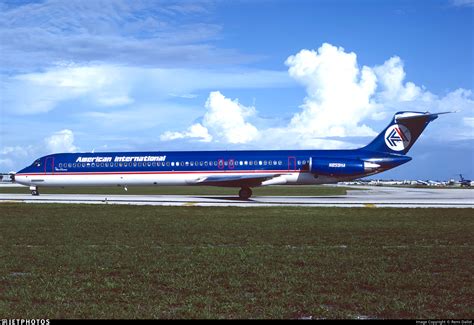
The 1990s witnessed a fleeting attempt by American International Airways, which operated Douglas DC-9 aircraft to destinations such as Boston, Chicago, and Miami. The venture eventually folded, and the airport settled into a long period of relative inactivity, commercially speaking. Spirit Airlines emerged in 1993 as the sole scheduled operator, offering flights to Florida and maintaining the airport’s relevance.
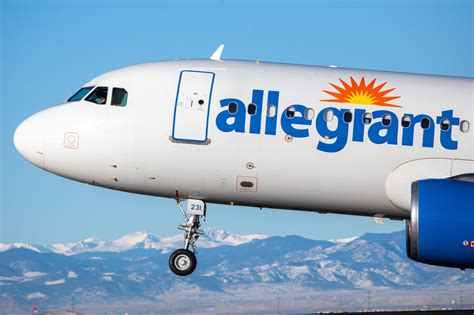
The dynamic changed sharply on December 11, 2025, when Allegiant Air, an ultra-low-cost carrier based in Las Vegas, commenced its first scheduled service from Atlantic City to Fort Lauderdale, Florida. This milestone effectively doubled the airport’s scheduled carrier count, a rare feat for a regional airport of its scale.
Allegiant’s Route Strategy: Florida-Focused and Seasonally Timed
Allegiant Air’s business model is finely tuned to tap into seasonal travel demand, especially from colder northern regions to sun-soaked southern destinations. The airline’s Atlantic City launch is a textbook example of this approach. Starting modestly with 7–8 monthly flights to Fort Lauderdale, the frequency will rise to six weekly flights by February 11, 2026, positioning the route for heavy winter traffic.
The expansion doesn’t end there. On December 19, 2025, Allegiant will add Orlando Sanford to its schedule, operating two weekly flights. By February 13, 2026, two more Florida destinations—St. Pete–Clearwater International Airport and Punta Gorda Airport—will be introduced, both operating twice weekly on Mondays and Fridays.
This calculated rollout synchronizes with Allegiant’s strategic focus on nonstop leisure travel, targeting families, retirees, and snowbirds seeking affordable, direct flights to vacation hotspots.
Competitive Dynamics: Allegiant vs. Spirit in a Niche Market
Spirit Airlines, the longtime incumbent at ACY, has established a strong foothold over the years, currently offering flights to Fort Lauderdale, Orlando, West Palm Beach, Fort Myers, and Tampa. The entrance of Allegiant onto the Fort Lauderdale route sets the stage for direct competition.
Spirit runs up to two daily flights on this route, making it a core offering in their network from Atlantic City. Allegiant’s lower frequency may seem modest, but the airline compensates by tapping into underserved price-sensitive segments, often flying at off-peak times and offering bundled vacation packages.
It remains to be seen whether the two carriers will spark a fare war or if their differing strategies—Spirit’s frequency vs. Allegiant’s cost-effectiveness—will find room for coexistence in this compact market. However, the added competition is undoubtedly beneficial for travelers, offering greater choice and potentially lower fares.
Atlantic City’s Historic Airline Footprint: A Timeline of Transitions
The presence of Allegiant Air adds a layer of optimism, but it’s not the first time ACY has tried to broaden its commercial base. The airport has seen a revolving door of airline operators since its civilian inception.
Notably:
- US Airways and its regional offshoot, US Airways Express, operated routes to Pittsburgh, Philadelphia, Baltimore, and Washington.
- Continental Express linked ACY with Cleveland Hopkins International Airport.
- People Express Airlines, in the late 1980s, connected Atlantic City to Newark Liberty International Airport using Boeing 737s.
- Delta Connection, a regional brand of Delta Air Lines, ran services to Boston, Cincinnati, and Orlando.
- In 2014, United Airlines initiated routes to Chicago O’Hare and Houston, only to discontinue both the same year.
International service has also been fleeting. WestJet operated flights to Toronto until May 2010, after which ACY lost international connectivity. Air Canada attempted seasonal summer service to Toronto in 2015 but did not return for a second season.
These false starts have given ACY a checkered reputation in the industry—one of high potential but equally high volatility. The arrival of Allegiant, however, brings a well-capitalized airline with a clear strategy that fits the demographic and geographic profile of the Atlantic City area.
Infrastructure, Partnerships, and Connectivity: Building a Broader Ecosystem
One of ACY’s innovative approaches to connectivity is its Landline partnership with American Airlines, which offers a bus service connecting passengers from ACY to Philadelphia International Airport. This move reflects an industry trend of using multimodal solutions to bridge markets where flying regional jets is not cost-effective.
The Landline service expands Atlantic City’s reach into the broader American Airlines network via oneworld alliance gateways. It provides access to hundreds of domestic and international destinations, effectively extending the airport’s service area without requiring additional flights.
While not a substitute for scheduled air service, this connectivity model plays an important supporting role in positioning ACY as a viable alternative airport within the Philadelphia–South Jersey travel corridor.
Local Economic Impact and Future Prospects
The economic ramifications of adding a new airline cannot be overstated. Allegiant’s operations mean more jobs, more tourism dollars, and increased visibility for the region. Hotels, casinos, and local businesses stand to gain from a broader inflow of travelers, especially from Florida markets.
Moreover, this expansion could encourage further infrastructure investments, perhaps paving the way for more robust services and terminal upgrades. If Allegiant’s routes prove successful, it could catalyze interest from other low-cost or regional carriers looking for less congested, lower-cost alternatives to Philadelphia or Newark.
In terms of regulatory and operational readiness, ACY is well-positioned. The airport is equipped with modern facilities and benefits from relatively uncongested airspace, offering airlines on-time reliability that is often elusive at larger hubs.
Conclusion: A Pivotal Moment for Atlantic City International Airport
The addition of Allegiant Air marks a transformational moment in the history of Atlantic City International Airport. With a new airline, multiple leisure-focused destinations, and competitive fare structures, ACY is poised to evolve from a single-carrier outpost into a small but strategically important node in the U.S. air travel map.
As the airport prepares to enter a busier, more diversified era, all eyes will be on how Allegiant’s performance shapes the future of commercial aviation in South Jersey. If the strategy holds, this could be just the beginning of a new renaissance for ACY—one flight at a time.