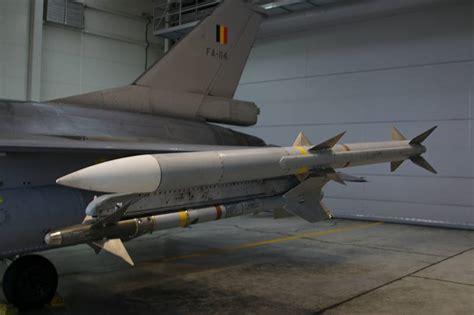
Belgium is poised to enter the missile production arena through an agreement that could see the country producing components and assembling AIM-120 AMRAAM air-to-air missiles, marking a critical step in Europe’s ongoing effort to restore its air defense capabilities. This groundbreaking development follows a strategic partnership between U.S. defense giant RTX (formerly Raytheon Technologies) and Belgium’s FN Herstal, a leading Walloon arms manufacturer. The agreement, reportedly finalized after weeks of confidential discussions, integrates Belgium into the production chain of one of NATO’s most vital weapons systems.
The Significance of AMRAAM Missiles in NATO Defense Architecture
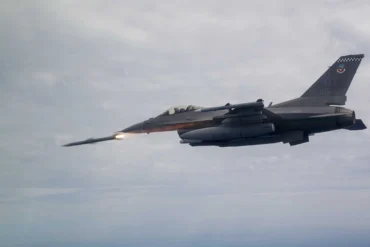
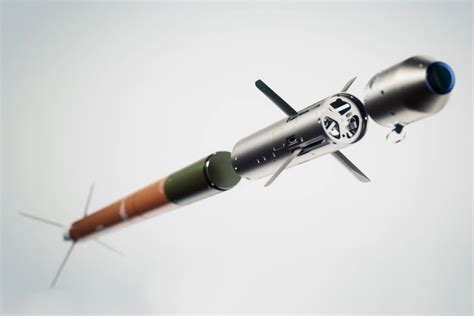
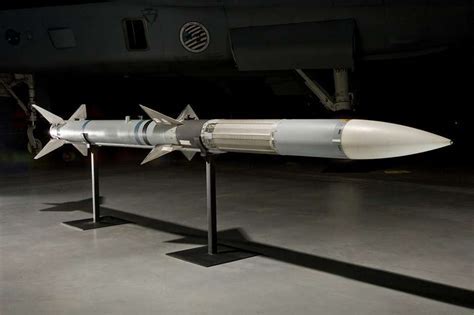
The AIM-120 AMRAAM (Advanced Medium-Range Air-to-Air Missile) stands as the backbone of Western aerial combat and surface-to-air defense systems. Initially developed during the late Cold War era, the AMRAAM was envisioned to supersede the AIM-7 Sparrow. Since its service entry in 1991, it has become a cornerstone missile system for over 35 countries, including key NATO allies. Equipped with active radar homing, inertial guidance, and fire-and-forget capability, the AMRAAM is capable of engaging a variety of threats, from fixed-wing aircraft and helicopters to drones and cruise missiles.
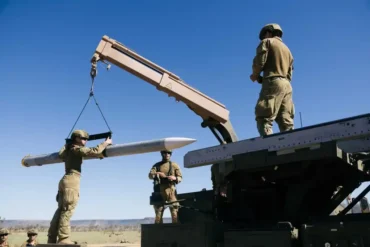
In its surface-launched NASAMS (Norwegian Advanced Surface-to-Air Missile System) configuration, the missile demonstrates ranges up to 160 kilometers and interception altitudes exceeding 35 kilometers, depending on the specific variant. The missile’s combat performance has been repeatedly proven in Ukraine, where NASAMS batteries reportedly achieved a 94% success rate, intercepting approximately 900 aerial threats by February 2025.
Strategic Context: Europe’s Race to Rebuild Air Defenses
Belgium’s move towards missile production is not occurring in isolation. It is part of a broader European trend aimed at rebuilding ground-based air defenses after decades of underinvestment. Following the outbreak of the Russia-Ukraine conflict, NATO members have accelerated efforts to restore deterrence capabilities against aerial threats. For Belgium, Chief of Defence Frederik Vansina bluntly described the country’s state as a “black hole” in European air defense, pointing to a complete lack of modern, ground-based systems.
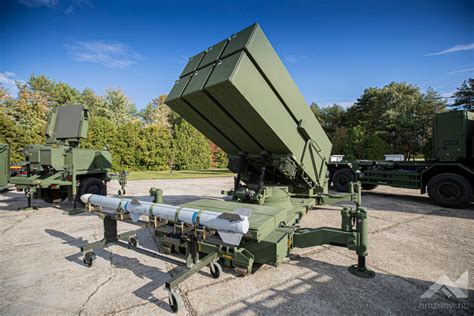
The Belgian government’s purchase of ten NASAMS batteries, nine for domestic use and one for neighboring Luxembourg, reflects this urgent drive. The NASAMS procurement, worth €2.5 billion, forms part of Belgium’s ambitious €36 billion defense investment plan, which aims to meet NATO-defined operational targets. Vansina emphasized the strategic imperative of protecting vital infrastructure, including the ports of Antwerp and Zeebrugge, from potential air attacks.
Inside the RTX–FN Herstal Agreement: What Belgium Will Actually Produce
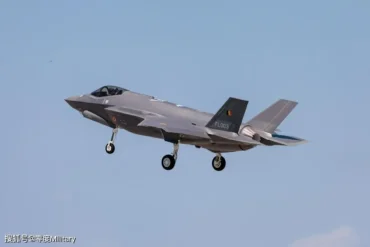
The recent accord between RTX and FN Herstal grants the Belgian firm responsibility for producing certain AMRAAM components and performing final assembly tasks. However, critical elements such as propulsion systems and seeker heads will remain under U.S. control or supplied by trusted partners like Nammo in Norway. Nonetheless, assigning final assembly responsibilities to FN Herstal marks a significant industrial breakthrough. This step answers domestic criticism concerning previous defense deals, like the F-35 program, which lacked tangible local industry returns.
Belgium will not commence missile assembly overnight. FN Herstal faces the challenge of establishing assembly lines, acquiring specialized equipment, and training its workforce to meet rigorous NATO standards. During this setup phase, Belgium may temporarily rely on Polish missile stocks to ensure operational readiness of its NASAMS batteries.
AMRAAM Variants and Growing Global Demand
The AMRAAM missile family encompasses multiple iterations:
- AIM-120A/B: Early models introducing active radar guidance.
- AIM-120C variants: Featuring clipped control surfaces, range extensions, and incremental guidance improvements.
- AIM-120D: Incorporating two-way datalink, GPS-assisted navigation, and extended range.
- AIM-120D-3: The latest operational variant, boasting upgraded electronics, jamming resistance, and enhanced software.
- AIM-120C-8: The export equivalent of the AIM-120D-3, sharing comparable capabilities.
Raytheon’s AMRAAM production has surged since 2022. Annual output reached 1,200 missiles in 2024, with projections to double in 2025, primarily driven by demand spikes following the Ukraine conflict. European nations are at the forefront of this procurement wave:
- Germany: Over 1,000 AIM-120C-8 missiles ordered.
- Poland: Contracted for 745 units.
- Norway, Romania, Denmark, Netherlands: Securing C-8 and D-3 models to modernize air defenses.
Japan also commenced licensed AMRAAM production in 2024, highlighting the missile’s global strategic value. Belgium’s integration into this supply network reflects NATO’s broader trend towards diversified, resilient supply chains, reducing dependency on U.S.-based production facilities.
Implications for Belgium’s Defense Industrial Base
FN Herstal’s role in AMRAAM production could signal deeper industrial cooperation within NATO frameworks. Beyond missile assembly, the agreement positions Belgium to contribute to NATO’s logistical ecosystem, contingent on maintaining compliance with U.S. International Traffic in Arms Regulations (ITAR) and other stringent export controls. If sustained demand persists, Belgium might negotiate expanded roles, potentially covering more complex components or servicing contracts.
This development also directly addresses political critiques from parties like CD&V and Les Engagés, which previously denounced Belgium’s dependence on foreign arms manufacturers without corresponding national industrial gains. By involving FN Herstal, Belgian policymakers aim to link defense investments to domestic economic growth, workforce development, and long-term technological competencies.
Long-Term Challenges: Beyond Assembly Lines
Despite this industrial breakthrough, Belgium’s restoration of air defense capabilities extends beyond missile assembly. Deploying NASAMS batteries demands trained personnel, established air defense units, and robust logistical infrastructure. The Belgian Ministry of Defense confirmed that 2025 funding for these needs is secured through temporary revenue streams and new debt issuance. However, long-term sustainability remains uncertain, hinging on future budget approvals and consistent political backing.
Moreover, cooperation with NATO partners like Norway and the Netherlands is anticipated in areas such as operator training, maintenance protocols, and shared procurement initiatives. Such collaborations could streamline Belgium’s transition from an air defense novice to a capable contributor within NATO’s integrated air defense system.
Conclusion: Belgium’s Strategic Bet on AMRAAM Production
Belgium’s entry into AMRAAM missile production embodies a critical strategic decision, aligning national defense imperatives with economic self-interest. As Europe races to plug vulnerabilities in its air defense posture, localized manufacturing agreements like the RTX–FN Herstal deal offer pathways to mitigate supply chain risks and enhance industrial sovereignty. While FN Herstal’s initial role focuses on assembly and select component production, the broader implications for Belgium’s defense industrial base are profound. The country’s successful integration into the AMRAAM supply chain could mark the beginning of a more assertive, autonomous European defense manufacturing ecosystem in the years ahead.