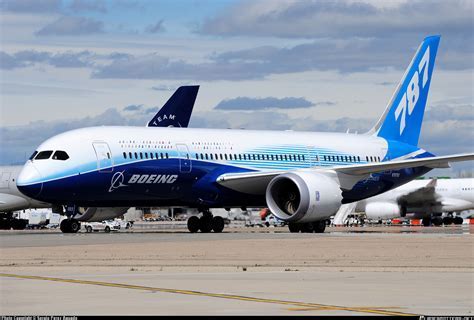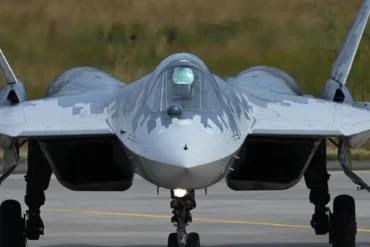
In 2025, the aviation industry is characterized by fierce competition among the world’s largest aircraft manufacturers. Boeing, long the dominant force in the market, faces increasing challenges from a number of formidable rivals, including Airbus, COMAC, Embraer, and Bombardier. This article provides a comprehensive analysis of Boeing’s main competitors, exploring their strategies, market positioning, and performance metrics. As the aviation landscape evolves, these companies are each vying for a larger share of the global market, threatening Boeing’s longstanding leadership.
Airbus: Boeing’s Primary Rival in Commercial Aviation
Airbus, the European aerospace giant, remains Boeing’s most significant competitor in the commercial aircraft market. With a product range comparable to Boeing’s, Airbus offers a broad portfolio of aircraft, including narrow-body models like the A320 family and wide-body models such as the A350 and A330. These aircraft directly challenge Boeing’s 737, 787, and 777 models. Airbus’s commitment to innovation and quality has made it a strong player in both the large and small aircraft segments.
One of the key factors that sets Airbus apart is its acquisition of Bombardier’s CSeries program, which has now become the A220. This move gave Airbus a significant edge in the small aircraft market, where Boeing has traditionally lacked a competitive offering. As a result, Airbus has positioned itself as a more comprehensive competitor across various aircraft sizes, making it a formidable adversary to Boeing.
Performance Metrics:
- Number of Mentions: 140,000
- Positive Mentions: 19,000
- Negative Mentions: 8,758
- Social Media Reach: 717 million
- Non-Social Reach: 196 million
- Presence Score: 80/100
- Popular Topics: Aviation safety, market competition, technical content
While Boeing retains a slight lead in global visibility and mentions, Airbus excels in positive sentiment and social media engagement. With platforms like Instagram driving much of the positive sentiment, Airbus is creating a stronger emotional connection with its audience. Boeing, by contrast, struggles with sentiment on platforms like Twitter, where negative mentions are more frequent. This difference in public perception highlights Airbus’s increasing strength in the brand experience and customer engagement sectors.

COMAC: The Rising Force from China
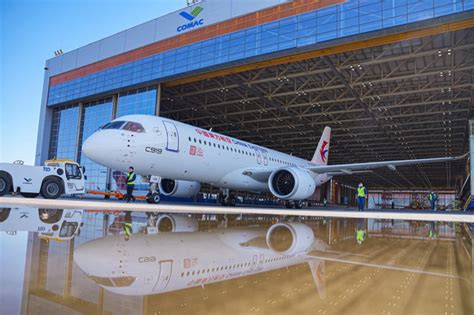
COMAC (Commercial Aircraft Corporation of China) is an emerging player in the aviation industry, with ambitions to reduce China’s reliance on Western aircraft manufacturers. The company’s flagship aircraft, the C919, is a narrow-body jet designed to compete directly with Boeing’s 737 and Airbus’s A320 in the Chinese market. Although COMAC’s global reach remains limited due to ongoing development and certification processes, its strong backing from the Chinese government has allowed it to make significant strides in establishing itself within China’s domestic aviation market.
Despite its current limited reach outside China, COMAC’s potential to disrupt Boeing’s dominance is growing. With the Chinese government prioritizing domestic aircraft manufacturing, COMAC has access to one of the largest and most lucrative markets in the world. The company’s focus on producing affordable and efficient aircraft for domestic airlines has helped it carve out a niche in an otherwise saturated market.
Performance Metrics:
- Number of Mentions: 5,454
- Positive Mentions: 2,794
- Negative Mentions: 420
- Social Media Reach: 21 million
- Non-Social Reach: 20 million
- Presence Score: 47/100
- Popular Topics: Aircraft development, Vietnamese aviation relations, promotional events
Given that COMAC’s primary focus is on China, its performance on global social media platforms is still in its infancy. The company’s dominance within the country is undisputed, but outside China, its reach and influence are still developing. As COMAC continues to improve its aircraft offerings and secure international certifications, its ability to compete on the global stage will grow exponentially, putting increasing pressure on Boeing.
Embraer: Targeting the Regional and Smaller Jet Market
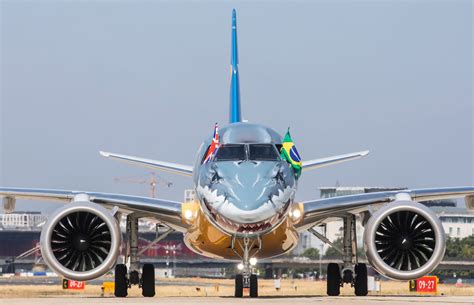
Embraer, a Brazilian aerospace manufacturer, operates in a different segment of the market compared to Boeing’s traditional large commercial aircraft. Specializing in regional jets and small narrow-body aircraft, Embraer fills a niche that Boeing largely overlooks. The company’s E-Jet and E2 series are popular among airlines operating on short-haul, high-frequency routes, offering a cost-effective solution for regional travel.
While Embraer is not a direct threat to Boeing’s core models like the 787 or 777, its strong presence in the regional jet market makes it a key competitor in the smaller aircraft segment. Boeing’s attempt to acquire Embraer was an indication of how crucial the regional jet market is becoming, especially as airlines seek to optimize their fleets for efficiency and cost-effectiveness. The acquisition was eventually blocked, but the desire to control the regional jet space remains a strategic priority for Boeing.
Performance Metrics:
- Number of Mentions: 21,000
- Positive Mentions: 2,565
- Negative Mentions: 8,061
- Social Media Reach: 56 million
- Non-Social Reach: 35 million
- Presence Score: 63/100
- Popular Topics: Aviation experiences, Embraer business performance, military collaborations
Embraer’s performance in terms of social media engagement and sentiment is strong, with the company consistently generating positive mentions. Compared to Boeing, Embraer has a better balance between positive and negative sentiment, and its strong presence on Instagram is an asset for cultivating consumer loyalty. While Boeing’s overall reach still far exceeds Embraer’s, the Brazilian manufacturer’s performance in sentiment analysis suggests that it has a more favorable perception among its audience.
Bombardier: Transitioning to Business Jets
Bombardier, a Canadian aerospace company, was once a competitor to Boeing in the small to mid-sized commercial aircraft market, particularly through its CSeries program. However, financial struggles led Bombardier to sell the CSeries to Airbus, where it became the A220. As a result, Bombardier no longer competes directly in the commercial aircraft market, focusing instead on business jets and private aviation.
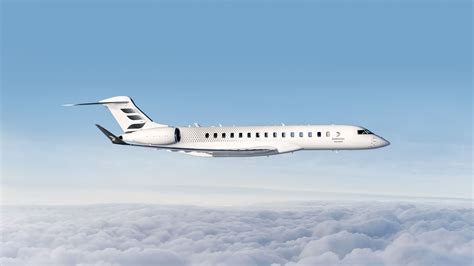
While Bombardier’s presence in the commercial aviation sector has diminished, the company remains a strong player in the business jet market. Its Global and Challenger series are highly regarded among private aviation users and business executives seeking luxury and performance. Bombardier’s pivot to business aviation has allowed it to maintain a competitive edge in a niche segment that Boeing does not focus on.
Performance Metrics:
- Number of Mentions: 13,000
- Positive Mentions: 1,359
- Negative Mentions: 451
- Social Media Reach: 170 million
- Non-Social Reach: 27 million
- Presence Score: 60/100
- Popular Topics: Aerospace innovations, Bombardier corporate affairs, business jet offerings
Bombardier’s performance metrics show that while it no longer competes directly in commercial aviation, it maintains a solid presence in the business jet market. Its social media reach is significant, and it continues to engage with a targeted audience of high-net-worth individuals and corporate executives. Boeing does not compete in this segment, allowing Bombardier to dominate the business jet niche.
Conclusion: The Competitive Landscape of the Aviation Industry in 2025
As we look towards the future of the aviation industry in 2025, it is clear that Boeing faces serious competition from several established and emerging players. Airbus, with its broad portfolio and strategic acquisitions, remains the most direct rival, particularly in the commercial aircraft market. Meanwhile, COMAC poses a growing threat in China, where its government-backed initiatives are driving rapid development. Embraer continues to excel in the regional and small jet markets, while Bombardier maintains a strong foothold in business aviation.
While Boeing currently leads in overall mentions and global reach, the company faces increasing challenges in maintaining positive sentiment, especially on social media platforms like Twitter. Competitors like Airbus and Embraer have shown stronger engagement with their audiences, and their focus on customer experience and brand perception may help them close the gap in the coming years.
The aviation industry is poised for continued growth, and as competitors evolve and innovate, Boeing must focus on improving its brand perception and engagement strategies to stay ahead. Monitoring these competitors closely and adjusting strategies in response to shifting market dynamics will be key to Boeing’s ability to maintain its leadership position.