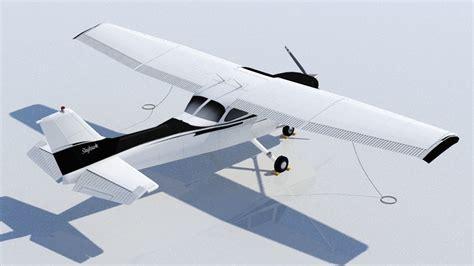
The legality of flying a Cessna 172 (C172) without a static wick has been a topic of discussion for many pilots, particularly when it comes to airworthiness considerations. This issue becomes even more complex for those preparing for their Certified Flight Instructor (CFI) checkrides or working in environments where aircraft maintenance and compliance are of paramount importance. Understanding the role of static wicks in aircraft operation and the regulations surrounding them is crucial for ensuring safety, legality, and a smooth flying experience.
Understanding Static Wicks and Their Purpose in the C172
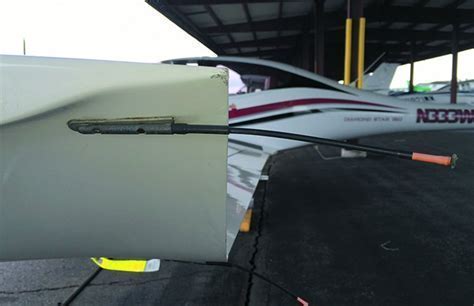
Static wicks are small devices installed on aircraft to dissipate static electricity that builds up during flight. This is especially important in reducing the interference that static charges can cause to onboard radio communication systems. Static discharge wicks are generally found at the trailing edges of the aircraft’s wings and tail, and they are designed to minimize radio frequency interference (RFI). While the static wick is not a complex or critical component, its presence plays an essential role in maintaining the quality of communication, particularly in flight environments that experience frequent precipitation or turbulent air.
The Cessna 172, a popular single-engine light aircraft, often comes equipped with static wicks as part of its standard factory installation. However, the key question that arises is whether the absence of a static wick makes an aircraft illegal to fly or whether it impacts the airworthiness of the C172.
Regulatory and Legal Considerations
In discussing the legality of missing static wicks, it’s important to reference the relevant aviation regulations, particularly 14 CFR Part 91, which governs the operation of aircraft in the United States. Under Part 91, airworthiness is a critical factor for flight operation, and this includes ensuring that all equipment specified by the aircraft’s type design is installed and functional.
However, the regulations are not always black and white, especially when it comes to optional equipment such as static wicks. The aircraft’s equipment list plays a significant role in determining whether a component is legally required for flight. In the case of the C172, static wicks are typically listed as “standard equipment” but are not classified as “required equipment” for certification. This distinction is crucial for understanding why the absence of a static wick does not necessarily render the aircraft illegal to fly.
Key Points to Understand
- Static wicks are standard equipment on the C172, meaning they are typically installed at the factory but are not essential for the aircraft’s type certification.
- The C172’s Pilot Operating Handbook (POH) and equipment list indicate that static wicks are optional, but their absence is not prohibited unless explicitly required for specific operations (such as frequent IFR flights).
- The FAA does not mandate static wicks for flight under normal operating conditions unless specified in certain flight manuals or operating procedures.
What Happens When a Static Wick is Missing?
In the event that a static wick is missing, the legality of continuing flight depends on several factors. The primary consideration is whether the aircraft is in compliance with its type design. If the missing static wick is not listed as “required” in the type certificate or in the aircraft’s equipment list, then the aircraft may still be deemed airworthy. In such cases, the aircraft does not need to be grounded, and the flight is not automatically considered a no-go.
However, it is important to note that while the aircraft may still be legally flown, pilots must be aware of the potential for reduced radio performance due to static interference. For aircraft operating in environments with frequent weather disturbances or poor visibility, the absence of static wicks could lead to communication difficulties, particularly in IFR (Instrument Flight Rules) conditions.
If a static wick is missing, pilots may also be required to place a placard indicating the inoperative component and make a maintenance logbook entry. This ensures that the missing static wick is properly documented and that the aircraft is still in compliance with FAA regulations.
The Role of the C172 POH and Manufacturer’s Recommendations
The C172’s POH provides essential guidance on equipment and maintenance, including the role of static wicks in improving radio communication. While the POH may not explicitly require static wicks for flight, it does recommend their installation for aircraft operating in certain conditions, such as frequent IFR flights. This recommendation highlights the practical importance of static wicks for reducing interference and improving communication reliability in challenging weather conditions.
In the absence of a mandatory directive or AD (Airworthiness Directive) for static wicks, the aircraft’s airworthiness is generally not affected by their absence, provided all other mandatory components and equipment are in place. Thus, the removal or absence of a static wick does not automatically make the aircraft non-airworthy, but pilots and maintenance crews should understand the potential operational impacts.
Conclusion: Is It Legal to Fly Without a Static Wick?
In conclusion, the legality of flying a Cessna 172 without a static wick comes down to several key factors. The static wick is not a required piece of equipment under the FAA’s certification for the C172, and its absence does not automatically render the aircraft unfit for flight. While it is listed as standard equipment, it is not mandatory unless specified for certain types of operations or unless an AD requires its installation.
Pilots should always ensure that any missing equipment is properly documented, including placarding the inoperative component and making a maintenance logbook entry as necessary. For flights conducted under normal VFR (Visual Flight Rules) conditions, the missing static wick is unlikely to pose a significant safety risk, although pilots should be aware of the potential for reduced radio communication clarity in certain weather conditions.
Ultimately, while the issue may seem like a technicality in some cases, it is important for pilots to be well-versed in the regulatory and operational implications of equipment requirements, even for seemingly minor components like static wicks.