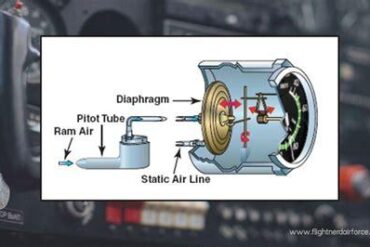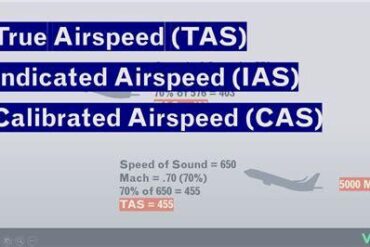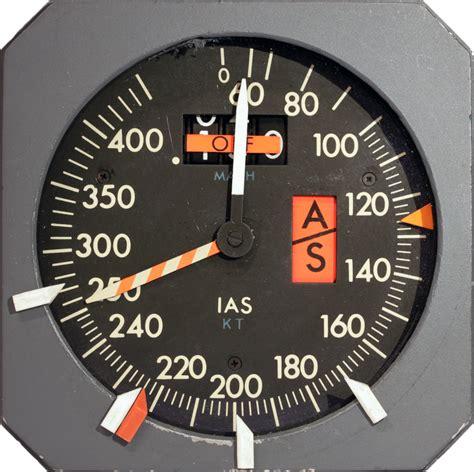
Calibrated airspeed (CAS) refers to the indicated airspeed adjusted for instrument errors and position error. This position error happens when the pressure at the static port is affected by airflow disruptions. CAS plays two main roles in aviation. First, it helps with navigation. Traditionally, pilots calculated CAS as part of figuring out the difference between indicated airspeed (IAS) and true airspeed (TAS). However, this need has declined due to GPS and inertial navigation systems. These modern tools allow pilots to see TAS and groundspeed directly on their displays. Therefore, calculating TAS from IAS via CAS is often unnecessary.
The second role of CAS is crucial for aircraft control. For instance, an aircraft will rotate, climb, stall, or approach landing at similar calibrated airspeeds, regardless of altitude. This holds true even when true airspeed and groundspeed vary widely. Pilots usually find these V speeds listed as IAS instead of CAS so they can read them directly from the airspeed indicator. Understanding CAS remains vital for safe and effective flying.