In aviation, managing the aircraft’s airspeed and altitude during an instrument approach is a critical skill. One of the most discussed aspects among pilots is whether to pitch for airspeed and power for glideslope or vice versa. While both techniques are widely used, they each come with their own set of advantages and considerations. In this article, we delve deep into these methods to explore how they affect the aircraft’s performance, and why understanding the interaction between pitch and power is crucial for a successful approach and landing.
Method 1: Pitch for Airspeed, Power for Glideslope
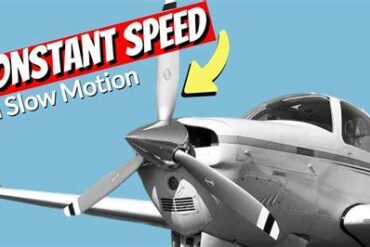
One of the most traditional methods taught in flight schools is to pitch for airspeed and use power for glideslope. This method works on the premise that once the aircraft is trimmed for a specific airspeed, the trim will automatically maintain that speed without requiring constant adjustments to the flight controls. The trim keeps the aerodynamic forces acting on the elevator constant, allowing the aircraft to hold its airspeed.
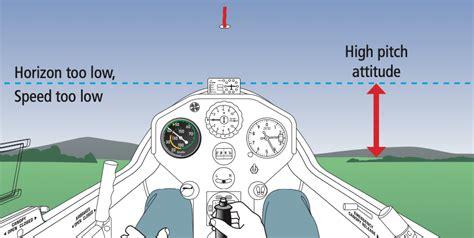
When reducing power, the aircraft’s nose will naturally pitch down due to the reduced thrust. Gravity then compensates for the loss of lift, causing the aircraft to descend. In contrast, increasing power while on a glide slope causes the aircraft to climb. The pitch adjusts in response to changes in the power setting, allowing the pilot to maintain the desired airspeed and make corrections to the glideslope.
Power Adjustments to Maintain Glideslope
This method is particularly effective when flying without automation. If a pilot finds themselves below the desired glideslope, adding power and allowing the nose to pitch up will help to correct the descent. Conversely, when the aircraft is above the glideslope, reducing power will allow the aircraft to descend and correct its altitude.
For example, if a pilot is too high on the glideslope, reducing power will lower the aircraft, while increasing power when below the glideslope will help the aircraft climb. In this method, power becomes the primary tool for controlling altitude while pitch remains focused on maintaining airspeed. This technique also works well for pilots who are flying manually without the assistance of an autopilot or flight director.
Method 2: Pitch for Glideslope, Power for Airspeed
On the other hand, the second method of controlling the glideslope is to pitch for glideslope and adjust power for airspeed. This technique is often used when flying with a flight director or autopilot. A flight director, which is a part of the aircraft’s avionics system, can only control the pitch and bank of the aircraft, but not the throttle. Therefore, when using automation, the pilot will control the power to manage the airspeed, while the flight director commands the aircraft to follow the glideslope.
Flight Director and Power Settings
With a flight director guiding the pitch, the pilot only needs to adjust the throttle to maintain the desired airspeed. If the aircraft is low on the glideslope, the flight director will instruct the pilot to pitch up, which requires the pilot to increase power to prevent a reduction in speed. Likewise, if the aircraft is high on the glideslope, the flight director will command a descent, prompting the pilot to reduce power in order to avoid overspeeding.
The interaction between pitch and power is more automated in this method, making it easier for pilots flying with automation to maintain the desired glideslope while focusing primarily on airspeed management. The flight director essentially takes care of maintaining the correct attitude, while the pilot manages power to keep the aircraft’s airspeed within the correct range.
The Combined Approach: Pitch and Power Working Together
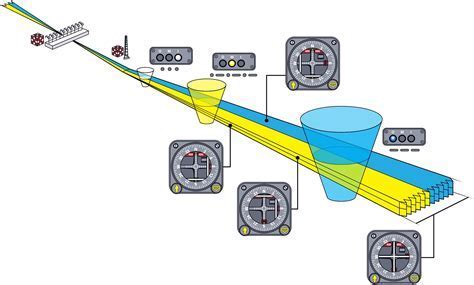
In practice, the best method for managing the glideslope during an approach is often a combination of both techniques. Whether flying with or without automation, the relationship between pitch and power is intertwined. If the aircraft is high on the glideslope and the airspeed is stable, the pilot should reduce power and pitch down. On the other hand, if the aircraft is low on the glideslope and not too fast, the pilot should pitch up and add power.
In this combined method, pitch and power act in concert to maintain both airspeed and altitude. This balance allows pilots to effectively correct any deviations from the desired glideslope while ensuring the aircraft remains within the appropriate airspeed envelope.
The Importance of Correcting Deviations
It is essential to note that pitch and power are never controlled in isolation. Even when flying manually, a pilot should always consider how changes in one will affect the other. For example, a change in power will alter the pitch attitude of the aircraft, and vice versa. Therefore, understanding the interdependent relationship between these two controls is vital to making precise adjustments during an instrument approach.
If you are low on the glideslope and not accelerating, you would pitch up and add power to climb back to the correct path. Similarly, if you are high and maintaining a safe speed, you would pitch down and reduce power to descend back on the glideslope.
Conclusion: Finding the Right Balance
Both methods of controlling the glideslope—pitching for airspeed and power for altitude, or vice versa—have their merits. The key takeaway is that pitch and power are inextricably linked, and the successful management of both is essential for maintaining a precise glideslope during an approach. Whether flying manually or with automation, understanding how each element affects the other is critical for achieving a safe and accurate landing.
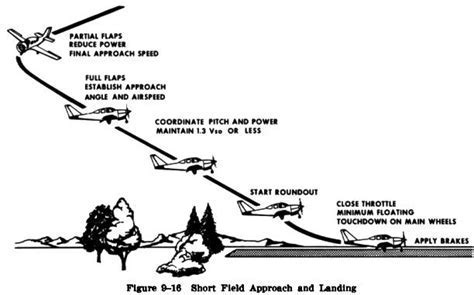
Ultimately, the best method will depend on the specific circumstances and the aircraft’s systems. In many cases, pilots will naturally blend both approaches to suit the flight conditions. By mastering the balance between pitch and power, pilots can ensure they remain on the correct path and execute a smooth, controlled landing.