With political tensions between Canada and the United States intensifying and public sentiment shifting, Canadian airlines have implemented a significant strategic pivot: a 10% reduction in seat capacity to the US for the first quarter of 2026. This cutback represents more than 450,000 seats compared to the same period in 2025 and is reshaping the landscape of North American air travel.
Rising Anti-American Sentiment Alters Travel Behavior
Once considered the top international market for Canadian travelers, the United States has seen a marked dip in demand, particularly from leisure passengers. This shift stems from a growing wave of anti-American sentiment within Canada, catalyzed by deteriorating diplomatic relations, economic disagreements, and social policy divergences between the two neighboring countries.
Canadian travelers, particularly those in the leisure segment, are opting out of trips to popular American destinations like Florida, Las Vegas, and Los Angeles. The sentiment appears rooted in frustration over recent U.S. political developments and amplified by unfavorable media coverage. This has translated into tangible market decisions, as carriers re-evaluate where their aircraft and resources are best utilized.
A Breakdown of Airline-Specific Capacity Cuts
Not all airlines have responded equally to the changing market. The depth of cutbacks varies dramatically by business model and market focus:
- Air Canada, the country’s flag carrier, has executed a moderate 7% reduction in its US-bound seat capacity. As a full-service airline with a balanced mix of business and leisure passengers, its exposure to sentiment-driven volatility is more contained.
- WestJet, with a hybrid model balancing cost-efficiency and service, has taken a more aggressive stance, cutting its US capacity by 20%. The airline is recalibrating its network to align with shifting customer interest, emphasizing Latin American and domestic routes.
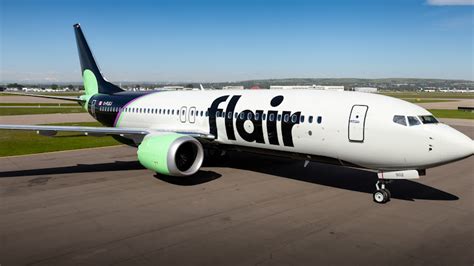
- Flair Airlines, a rapidly expanding ultra-low-cost carrier that leans heavily on leisure traffic, has enacted the sharpest pullback, slashing nearly 60% of its US-bound capacity. The scale of this reduction underscores the extent to which Canadian leisure travelers are avoiding American destinations.
Redirecting Capacity: Latin America and Domestic Travel Surge
As airlines retreat from US skies, they are not simply grounding planes—they’re redistributing capacity to regions showing greater promise. Latin America has emerged as the biggest beneficiary, with destinations like Cancún, Puerto Vallarta, and Costa Rica experiencing record-breaking demand.
The reallocation is made possible by the versatility of narrowbody aircraft, which are well-suited to both US and Latin American routes. These aircraft require minimal infrastructure or route adjustments to serve new cities, allowing carriers to act swiftly in response to shifting demand.
Domestic travel within Canada has also seen an uptick, despite the lack of warm-weather alternatives to Florida or California. Canadian travelers appear increasingly inclined to support domestic tourism or seek culturally aligned vacation options in Latin America, where social and political climates feel more familiar or comfortable.
Pricing Consequences and Traveler Impact
The airline adjustments will have significant implications for travelers on both sides of the border. For those still seeking flights to the United States, expect:
- Higher fares, driven by reduced seat availability and sustained demand from essential or business travelers.
- Fewer direct flight options, particularly from secondary Canadian markets.
Conversely, the expanded service to Latin America and domestic destinations will likely result in:
- Stable or decreasing airfares, due to capacity increases and competitive pricing.
- Greater frequency and flexibility, making these routes more attractive for travelers considering alternatives to the US.

Political Undercurrents and Market Outlook
The driving force behind this reshaping of the Canadian aviation map is the worsening political climate between Ottawa and Washington. Policy disagreements on trade, immigration, and environmental standards have become more pronounced over the past year, eroding public goodwill and travel interest.
Meanwhile, cross-border travel trends have reversed. In 2025, more Americans traveled north into Canada than Canadians heading south—a historic anomaly that highlights the scale of this shift. The trend appears to be more than a seasonal fluctuation and reflects a deeper, perhaps more durable, change in cross-border mobility patterns.
The travel industry is closely watching the US political calendar, particularly as the 2026 US midterms approach. Any further polarization or controversial legislation may deepen the aversion among Canadian travelers, further entrenching this capacity reallocation away from the United States.
Legacy Carrier Strategies and the Broader North American Context
Interestingly, while Canadian carriers are trimming their US schedules, US legacy carriers—such as United, Delta, and American—continue to see strength in international travel beyond North America. These airlines are pivoting toward long-haul, premium leisure markets where demand remains robust, even as short-haul cross-border routes underperform.
For the US market, this presents a dual challenge: reduced inbound traffic from Canada and heightened competition in global markets. Efforts by US airlines to stimulate demand with promotional fares or route launches may not be sufficient without addressing the root cause—Canada’s cooling enthusiasm for American destinations.
Conclusion: A Market in Transition
The 10% capacity cut by Canadian airlines to the US is more than a logistical shift—it signals a recalibration of national sentiment, consumer priorities, and international relationships. As travel patterns evolve, carriers are forced to follow demand, and that demand is increasingly looking south of Mexico and inward within Canada itself.
If diplomatic frictions persist and consumer sentiment remains tepid, the coming years could see long-term structural changes in how Canadians travel internationally. For now, the skies over Florida and Nevada may grow quieter, while those above Cancún, Costa Rica, and even Halifax buzz with new opportunity.