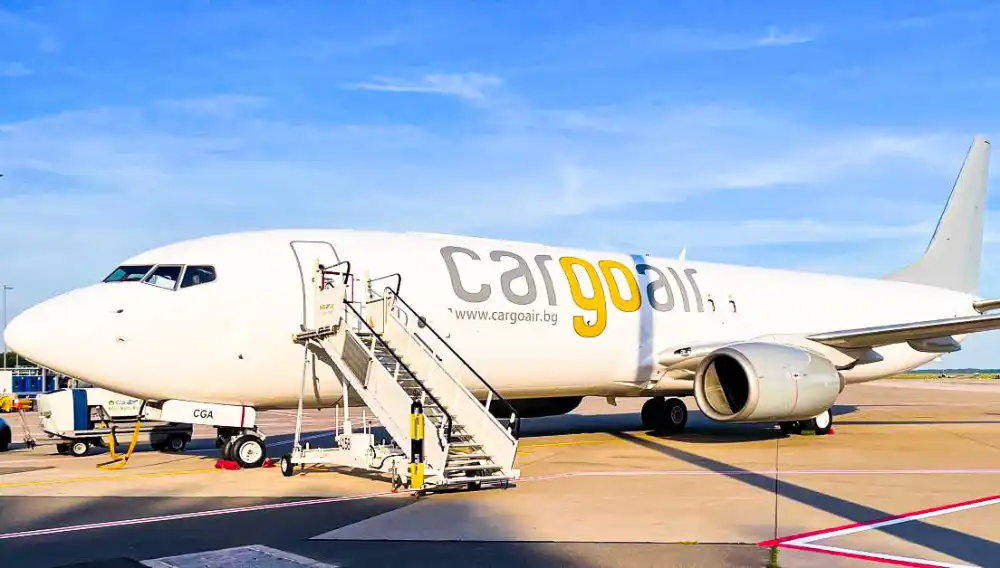
Cargoair, officially known as Cargo Air Ltd, has emerged as one of the most strategic cargo carriers in Eastern Europe, with its operations extending across the European continent and the Middle East. Headquartered in Sofia, Bulgaria, the company operates with a lean yet highly optimized fleet, leveraging its strategic positioning and fleet versatility to meet the growing demand for air freight.
Foundations of Cargoair: From Vega Airlines to a Cargo Powerhouse
Established in 1997 under the name Vega Airlines, the company’s early years were relatively modest. It wasn’t until October 2006 that the rebranding to Cargoair marked a turning point. The real catalyst came in November 2007, when the airline was launched as a General Sales Agent for Ruby Star, a Belarusian cargo airline. This alliance gave Cargoair access to Antonov An-12 and Ilyushin Il-76 aircraft, both known for their robust cargo capabilities. That same year, Cargoair purchased its first Boeing 737-300F, initiating a fleet modernization strategy that would underpin its expansion.
Strategic Operations and Hub Connectivity
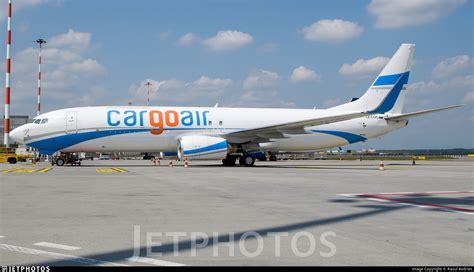
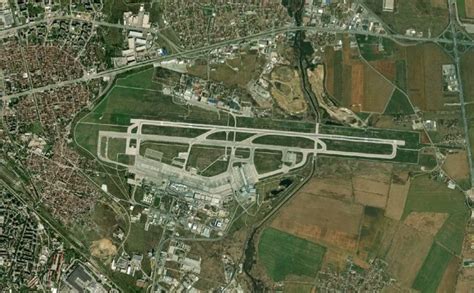
Cargoair’s central operations hub is located at Sofia Airport, but it also operates major bases from Leipzig/Halle Airport and Cologne/Bonn Airport, both critical logistical nodes for central and western Europe. These hubs allow for efficient distribution networks across the continent, especially with access to major freight corridors serving both the EU internal market and neighboring Middle Eastern countries.
This geographical agility means Cargoair is well-positioned to offer:
- Ad-hoc charter services
- Long-term aircraft lease operations (ACMI)
- Dedicated logistics support for integrators like DHL
The airline’s ability to adapt quickly to shifting demands, from contracted overnight express shipments to disaster-relief logistics, has significantly elevated its profile.
Fleet Expansion and Technological Upgrades
From 2009 onward, Cargoair invested heavily in expanding and modernizing its fleet. The introduction of Boeing 737-300F aircraft was just the beginning. Over the next decade, the company methodically added Boeing 737-400SF and 737-800SF aircraft to its operations, many of which were converted from passenger aircraft to freighters — a cost-effective method that simultaneously meets rising demand.
By August 2025, Cargoair’s fleet included:
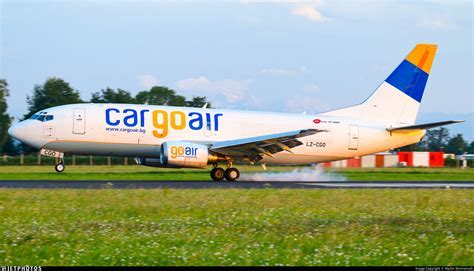
- 3 Boeing 737-300SF
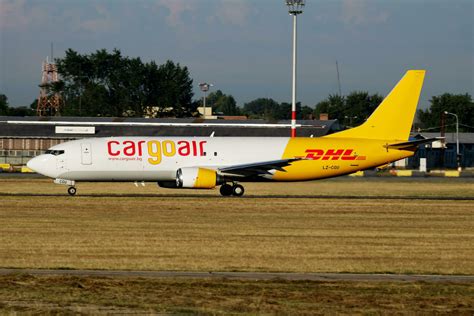
- 6 Boeing 737-400SF (including 2 in DHL livery)
- 5 Boeing 737-800SF
This gives the airline a total of 14 aircraft, forming a balanced mix of medium-range freighters ideally suited for intra-European and cross-regional operations.
Key Partnerships and Commercial Successes
One of Cargoair’s most impactful partnerships began in 2009, when it began operating for TNT Airways, one of Europe’s largest express delivery companies. The collaboration not only helped Cargoair expand its operational scope but also cemented its credibility within the integrated express cargo sector.
In 2013, Cargoair introduced its first converted Boeing 737-400F, which began flying commercially for European Air Transport, another critical player in the European air cargo logistics chain. Over the years, the fleet of 737-400Fs grew, each one reinforcing the company’s role as a reliable ACMI provider.
By 2017, Cargoair had branched out into passenger/ACMI operations, flying on behalf of Air Mediterranean and Travel Service, demonstrating its operational flexibility.
Leadership and Vision: Peter Cenkov’s Strategic Direction
At the helm of Cargoair is CEO Peter Cenkov, whose vision has guided the company through aggressive fleet acquisitions, strategic partnerships, and network expansions. Cenkov’s leadership is marked by a lean growth strategy, where each expansion step is data-driven and aligned with customer demand trends.
Under his direction, Cargoair has focused on building a reputation for reliability, cost-efficiency, and punctuality — all critical metrics in the competitive world of cargo aviation. The success of this approach is reflected in repeat partnerships with major logistics players and the airline’s resilience through turbulent market conditions.
Operational Resilience and Regulatory Strength
Cargoair operates under AOC Certificate #BG 31, issued by Bulgarian aviation authorities. This certification reflects compliance with EU aviation safety standards, including those regulating freighter conversions and cargo handling.
Moreover, Cargoair has demonstrated a consistent ability to manage:
- Slot congestion at major airports
- Regulatory compliance for wet leasing
- Complex logistics for high-value or time-sensitive cargo
Their experience handling hazardous goods, temperature-sensitive shipments, and live animal logistics underscores a level of operational sophistication that few regional cargo airlines can claim.
Fleet Modernization Through Passenger-to-Freighter Conversions
The aircraft types Cargoair operates — especially the Boeing 737-400 and 737-800 — have all undergone passenger-to-freighter (P2F) conversions, a hallmark of efficient capital utilization. These aircraft are re-engineered to include:
- Reinforced flooring and cargo doors
- Modern avionics upgrades
- Optimized payload capacity for short to medium-haul flights
By focusing on P2F conversions, Cargoair achieves lower acquisition costs while maintaining modern operational standards, including fuel efficiency and emissions compliance.
Market Positioning and Competitive Advantages
Cargoair distinguishes itself from low-volume regional players and large global integrators through its flexibility, fleet size, and service adaptability. While global giants like FedEx and UPS maintain highly structured route networks, Cargoair can serve:
- On-demand charter routes
- ACMI lease agreements during peak seasons
- Special operations for humanitarian missions or military logistics
This operational agility allows Cargoair to fill market niches that are too dynamic or cost-inefficient for larger carriers to pursue.
Environmental Considerations and Future Readiness
While freighter conversions offer economic advantages, they also raise questions around sustainability. Cargoair is aware of these concerns and has taken steps to improve its environmental profile by:
- Implementing fuel-efficient flight planning software
- Training pilots in eco-conscious flight techniques
- Exploring options for carbon offset partnerships
Looking ahead, Cargoair is expected to align with EU environmental mandates that will affect cargo operators, particularly as the Emission Trading System (ETS) expands to include more aviation players.
The Role of Bulgaria in European Cargo Aviation
As an EU member with competitive labor costs and a growing aviation sector, Bulgaria offers a strategic platform for air logistics. Cargoair’s success highlights the potential for Eastern European carriers to act as linchpins in the continental cargo web, particularly as EU markets face increasing pressure to find cost-efficient intra-regional transport options.
With rising volumes in e-commerce logistics, pharmaceutical transport, and cross-border B2B cargo, Cargoair is positioned to scale alongside demand while leveraging Bulgaria’s regulatory compliance and geographic positioning.
Conclusion: A Bulgarian Carrier With Continental Reach
Cargoair is more than just a mid-sized cargo airline — it is a case study in agile aviation strategy. With a lean but effective fleet, deep logistical partnerships, and a geographic stronghold in Southeast Europe, Cargoair has established itself as a trusted player in the air freight sector.
As the cargo aviation landscape continues to evolve, Cargoair’s commitment to adaptability, fleet modernization, and customer-centric services will keep it at the forefront of European cargo logistics.
For logistics providers, freight forwarders, and e-commerce platforms seeking reliable and flexible air cargo capacity, Cargoair is a name to watch — and trust.