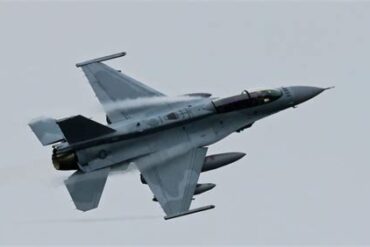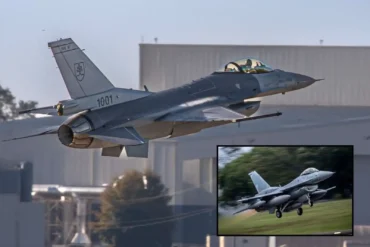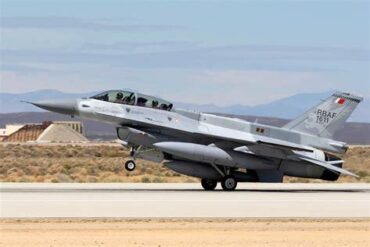
Bulgaria has embarked on a historic modernization of its air force with the acquisition of 16 F-16 Block 70 fighter jets. This procurement represents a pivotal step in replacing aging Soviet-era aircraft and aligning its defense capabilities with NATO standards. The deal, valued at approximately $2.4 billion, not only strengthens Bulgaria’s aerial defense but also enhances its interoperability with allied forces.
Procurement Background and Order Details
Initial Order (2019)
In 2019, Bulgaria signed an $1.1 billion agreement under the Foreign Military Sales (FMS) program with the United States government, securing an initial batch of eight F-16 Block 70 aircraft. This consisted of six single-seat F-16C models and two dual-seat F-16D variants. The order marked Bulgaria’s commitment to phasing out its MiG-29 fighters and transitioning to a more modern and capable fleet.
Expansion Order (2022)
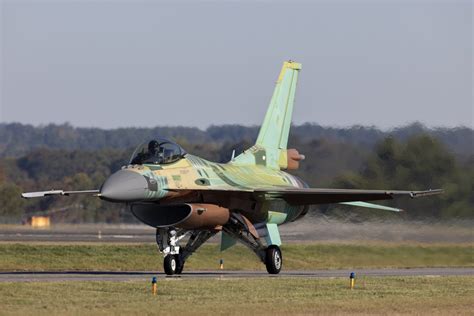
Building upon the initial contract, Bulgaria expanded the purchase in 2022, ordering an additional eight aircraft (four F-16C and four F-16D) for an added cost of $1.296 billion. This increased the total number of F-16 Block 70s on order to 16, reaffirming Bulgaria’s long-term strategy for air defense modernization.
Delivery Timeline and Key Milestones
First Aircraft Delivery (2025)
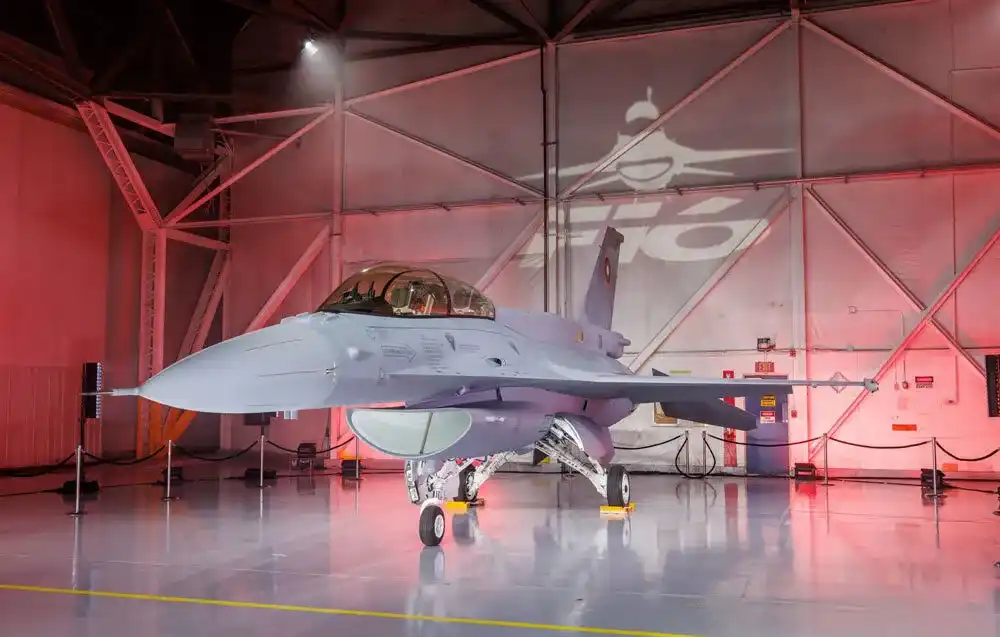
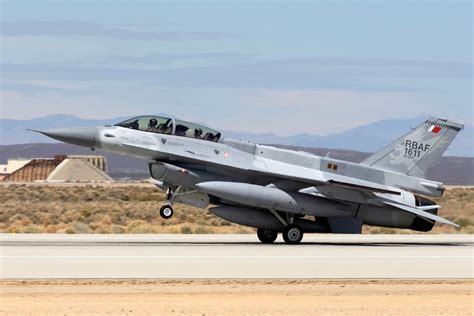
On February 3, 2025, Lockheed Martin delivered Bulgaria’s first F-16D Block 70 (tail number 301) at its Greenville, South Carolina facility. The event, attended by Bulgarian Minister of Defense Atanas Zapryanov, signified a major milestone in the program. Notably, this aircraft was also the 23rd F-16 Block 70/72 produced globally.
Full Deployment Schedule
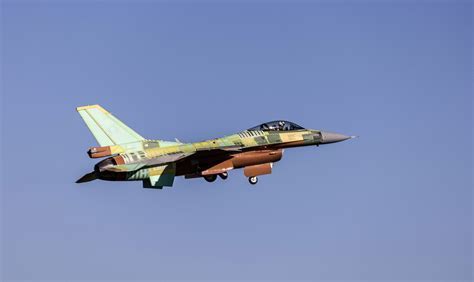
The first two aircraft, including the first F-16C Block 70 (tail number 311), are scheduled to arrive in Bulgaria by April 2025. The remaining 14 aircraft will be gradually delivered between 2025 and 2027, ensuring a systematic transition from older platforms.
Additionally, the eight aircraft ordered in 2022 are expected to commence delivery in 2027, further expanding Bulgaria’s operational fighter fleet.
Advanced Capabilities of the F-16 Block 70
Cutting-Edge Radar and Avionics
Equipped with the Northrop Grumman AN/APG-83 AESA radar, the F-16 Block 70 offers significant advancements in target detection, tracking, and engagement. Derived from F-22 and F-35 technology, this radar enhances air-to-air and air-to-ground strike capabilities while ensuring all-weather combat effectiveness.
Complementing the radar system, the aircraft features the Viper Shield electronic warfare suite, an upgraded radar warning receiver, and improved data link capabilities, significantly boosting situational awareness and combat effectiveness in multinational operations.
Structural Enhancements and Engine Performance
Lockheed Martin has incorporated composite material reinforcements, extending the aircraft’s service life to 12,000 flight hours—a significant improvement over previous F-16 variants.
The fighter jet is powered by the General Electric F110-GE-129 engine, producing 29,000 pounds of thrust and enabling a top speed exceeding Mach 2. This ensures exceptional maneuverability, acceleration, and operational endurance in various mission profiles.
Safety and Mission Support Features
One of the most critical advancements in the F-16 Block 70 is the integration of the Automatic Ground Collision Avoidance System (Auto-GCAS), a proven technology that has saved multiple lives in combat aviation. This system automatically corrects flight paths to prevent crashes due to pilot disorientation or sudden incapacitation.
Strategic Importance for Bulgaria
NATO Integration and Regional Security
With the F-16 Block 70 acquisition, Bulgaria significantly improves its interoperability with NATO forces. As a member of the alliance, operating a standardized fighter jet enables Bulgaria to participate in joint exercises, patrols, and coalition air missions more effectively.
The addition of modern multirole fighters also strengthens Bulgaria’s air policing missions over the Black Sea region, a strategically vital area facing increasing geopolitical tensions.
Strengthening Bulgaria’s Defense Infrastructure
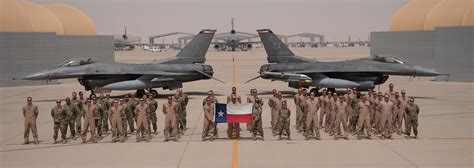
To support the incoming aircraft, Bulgaria is investing in extensive infrastructure upgrades at its air bases. The Third Air Force Base is undergoing renovations, including the construction of 16 reinforced hangars and additional mobile shelters to house the new fleet securely.
Pilot and Technical Personnel Training
A crucial element of the contract includes a $150 million training program for Bulgarian pilots and ground personnel. The first group of five pilots is already receiving advanced training in the United States, ensuring seamless operational capability upon aircraft arrival.
Future Prospects and Potential Upgrades
Looking ahead, Bulgaria may explore additional weapon system enhancements for the F-16 Block 70. Potential upgrades could include:
- Long-range air-to-air missiles (AIM-120D AMRAAM)
- Precision-guided munitions (JDAM, Paveway bombs)
- Advanced targeting pods (Sniper ATP for enhanced strike accuracy)
Additionally, continued collaboration with Lockheed Martin may lead to further support agreements, including software upgrades and logistics partnerships to maintain peak operational readiness.
Conclusion
Bulgaria’s investment in the F-16 Block 70 is a transformative move for its air force modernization and regional defense strategy. These advanced fighter jets will replace outdated Soviet-era aircraft, ensuring enhanced air defense, NATO alignment, and superior combat readiness. With deliveries progressing and infrastructure improvements underway, Bulgaria is well on its way to establishing a modern, capable, and fully integrated air force.
Frequently Asked Questions
1. Why did Bulgaria choose the F-16 Block 70 over other fighter jets?
Bulgaria selected the F-16 Block 70 due to its proven combat performance, advanced avionics, and NATO interoperability. The aircraft offers a cost-effective yet highly capable solution compared to alternatives like the Eurofighter Typhoon or Dassault Rafale.
2. How does the F-16 Block 70 compare to Bulgaria’s MiG-29?
The F-16 Block 70 significantly outperforms the MiG-29 in terms of radar capabilities, weapon systems, range, and survivability. It also features a longer service life, modern avionics, and reduced maintenance costs, making it a more effective choice for Bulgaria’s future air force.
3. When will all F-16 Block 70 aircraft be operational in Bulgaria?
Bulgaria expects to have its first operational F-16s by mid-2025, with full fleet integration completed by 2027. The delivery timeline ensures a smooth transition while training programs prepare pilots and ground crews for frontline deployment.