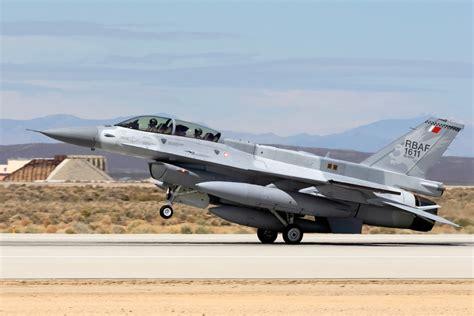
Peru is reportedly preparing to acquire 24 new-build F-16 Block 70 Viper fighter jets from the United States, marking a decisive turning point in the modernization of the Fuerza Aérea del Perú (FAP). The reported decision reflects a blend of operational necessity, geopolitical signaling, and long-term capability planning that could reshape Peru’s air power for decades.
The proposed purchase, expected to be formally presented following Peru’s general elections, would represent one of the most ambitious defense acquisitions in the country’s recent history. With aging MiG-29 and Mirage 2000 fleets increasingly constrained by maintenance challenges and diminishing upgrade pathways, Lima’s move toward a modern Western fighter platform signals a shift from legacy Cold War-era equipment toward a digitally networked, interoperable combat ecosystem.
In an era where air superiority hinges not just on aircraft performance but on sensors, data links, and sustainment architecture, the F-16 Block 70 offers Peru a mature and globally supported pathway to regain credible air combat capability.
Strategic Drivers Behind Peru’s Fighter Recapitalization
Peru’s geography imposes unique and demanding air defense requirements. Stretching from the Pacific coastline across the Andes to the Amazon basin, the country must monitor vast airspace corridors, long borders with Colombia, Brazil, Ecuador, and Bolivia, and critical maritime approaches. Maintaining persistent airspace sovereignty and rapid response capability across such terrain is resource-intensive, and legacy platforms have struggled to meet readiness demands.
The MiG-29 and Mirage 2000 fleets, once formidable, now face dwindling parts availability, escalating sustainment costs, and limited modernization potential. The operational impact has been uneven sortie rates and declining mission readiness, a dangerous condition for any state seeking credible deterrence.
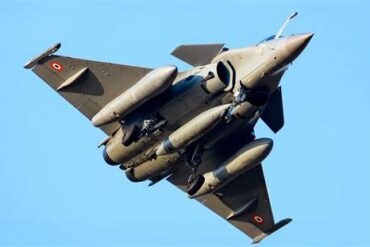
By selecting the F-16 Block 70, Peru appears to be prioritizing predictable lifecycle support, scalable upgrades, and standardized training pipelines rather than pursuing prestige platforms such as the Saab Gripen E/F or Dassault Rafale F4. This pragmatic approach underscores a strategic shift toward reliability and interoperability rather than bespoke sophistication.
F-16 Block 70: A Fourth-Generation Platform with Fifth-Generation DNA
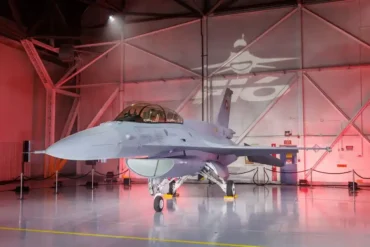
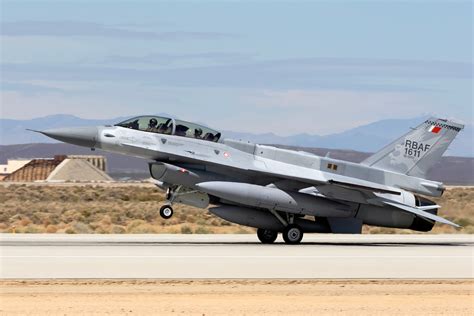
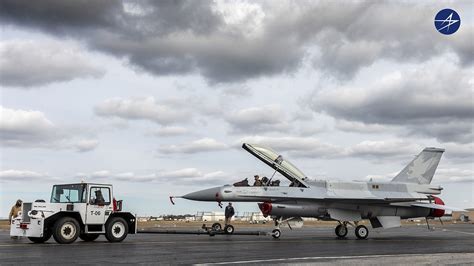
The F-16 Block 70, often referred to as the F-16V Viper, integrates advanced technologies derived from fifth-generation fighter programs. At the heart of its capability is the Northrop Grumman AN/APG-83 AESA radar, which dramatically improves target detection, tracking, and engagement performance compared to legacy mechanically scanned systems.
AESA technology enables faster beam steering, higher resistance to jamming, and the ability to track multiple targets simultaneously. For Peru, this translates into enhanced air policing, improved beyond-visual-range engagements, and greater situational awareness in complex airspaces.
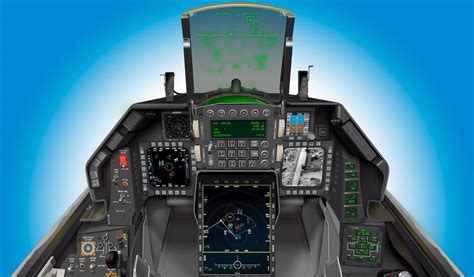
Modernized mission computers, large-area cockpit displays, and digital avionics further enhance pilot workload management, enabling faster decision-making in high-threat environments. The aircraft’s architecture is designed to support software-driven upgrades, meaning Peru can integrate future weapons, sensors, and electronic warfare systems without costly structural modifications.
Acquisition Package and Weapons Integration
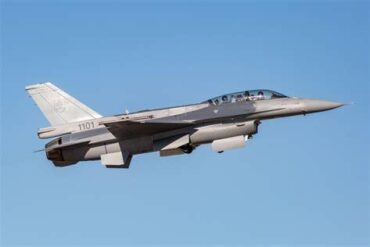
The initial U.S. Foreign Military Sales (FMS) package reportedly includes 10 single-seat F-16C Block 70 and two twin-seat F-16D Block 70 aircraft, with an estimated value of $3.42 billion. Additional aircraft are expected to follow, bringing the total fleet to 24 fighters.
The configuration includes General Electric F110-GE-129 engines, known for high thrust output and reliability. With 14 engines listed in the initial package, Peru would maintain a rotation buffer to maximize aircraft availability and reduce downtime.
Weapons integration is a cornerstone of the acquisition. The reported inclusion of AIM-9X Block II short-range missiles and AIM-120C-8 AMRAAM beyond-visual-range missiles gives Peru a layered air-to-air combat capability. The AIM-9X provides high off-boresight engagement and helmet-mounted cueing, while the AIM-120C-8 enables long-range intercepts with advanced guidance and counter-countermeasure resistance.
Additionally, AN/AAQ-28 Litening targeting pods expand the aircraft’s precision strike, reconnaissance, and close air support capabilities. This combination transforms the F-16 Block 70 into a true multi-role platform capable of air superiority, interdiction, and joint operations.
Longevity and Lifecycle Economics
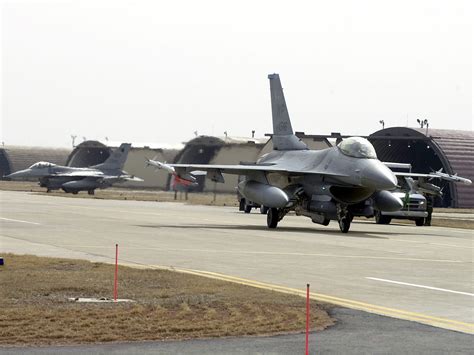
One of the most compelling aspects of the Block 70 variant is its 12,000-hour structural service life, positioning it for operational relevance well beyond mid-century. For Peru, this long service life provides strategic continuity across generations of pilots, maintainers, and planners.
Aircraft acquisition is not merely a procurement event but a multi-decade institutional commitment. The F-16 ecosystem offers established global supply chains, depot-level maintenance frameworks, and standardized training programs, reducing long-term risk compared to niche platforms.
Predictable lifecycle economics are crucial for mid-sized air forces. By selecting a platform operated by dozens of countries, Peru gains access to shared modernization pathways and economies of scale in parts procurement and sustainment.
Network-Centric Warfare and Tactical Integration
Modern air combat is increasingly network-centric, and the F-16 Block 70 is designed to function as a node within a broader combat system rather than a standalone shooter. With Link 16 data link connectivity, the aircraft can share targeting data with ground stations, naval assets, and allied aircraft in real time.
This capability enhances cooperative engagement, sensor fusion, and distributed lethality, allowing Peruvian forces to conduct coordinated operations across domains. In contested electromagnetic environments, the aircraft’s electronic warfare and self-protection suites provide resilience against jamming and radar-guided threats.
However, as a fourth-generation platform, the F-16’s survivability against modern integrated air defense systems depends heavily on tactics, electronic countermeasures, and suppression support. The aircraft’s effectiveness will ultimately hinge on pilot training, mission planning, and weapons stockpile depth.
Regional Implications and Strategic Signaling
Peru’s reported decision carries significant geopolitical implications. Latin American defense procurement is increasingly influenced by global competition among the United States, Europe, and China. By choosing the F-16, Peru is signaling a closer alignment with Washington’s defense-industrial ecosystem.
Interoperability with U.S. and partner forces will improve joint exercises, training exchanges, and access to advanced munitions. This alignment also positions Peru within a broader U.S.-centered security architecture on the Pacific flank of South America.
At the same time, the acquisition sends a strategic message to external actors seeking influence in the region. As infrastructure investments and political outreach intensify from multiple global powers, defense procurement becomes a geopolitical indicator of long-term strategic orientation.
Operational Transformation for the Fuerza Aérea del Perú
The introduction of the F-16 Block 70 would fundamentally transform the operational profile of the Fuerza Aérea del Perú. Enhanced radar coverage, modern weapons integration, and digital avionics would enable round-the-clock air policing and rapid reaction alert capabilities across Peru’s vast territory.
Precision strike capabilities would strengthen joint operations with the Peruvian Army and Navy, enabling coordinated responses to security threats. The aircraft’s flexibility also supports disaster response, maritime surveillance, and counter-narcotics operations, expanding its utility beyond conventional warfare.
Training pipelines would benefit from standardized NATO-aligned procedures, simulator systems, and international exchange programs. Over time, this could elevate Peru’s aviation culture and operational standards to match advanced Western air forces.
Economic and Industrial Considerations
Beyond military capability, the acquisition carries economic and industrial implications. Large-scale defense purchases often include industrial participation, technology transfer, and training programs that strengthen domestic aerospace capabilities.
While the F-16 is produced in the United States, offset agreements could involve Peruvian firms in maintenance, component production, or training support. This would enhance local technical expertise and create high-skilled jobs in aerospace engineering and sustainment.
The long-term sustainment ecosystem may also encourage Peru to invest in advanced maintenance facilities and digital logistics systems, modernizing its defense industrial base.
Balancing Capability and Cost
The estimated multi-billion-dollar cost of the F-16 acquisition raises questions about defense spending priorities. However, aging fleets often become more expensive to maintain than new platforms, especially when spare parts become scarce and modernization options are limited.
The F-16 Block 70’s mature supply chain and predictable upgrade path may reduce total lifecycle costs compared to sustaining legacy fleets. Moreover, the aircraft’s versatility reduces the need for multiple specialized platforms, consolidating capabilities into a single, flexible fleet.
In strategic terms, the investment is not just about aircraft but about rebuilding deterrence credibility and operational readiness in a region where air power remains a key instrument of national sovereignty.
A Calculated Step Toward Mid-Century Relevance
Peru’s reported choice of the F-16 Block 70 is less about acquiring the newest or most exotic aircraft and more about anchoring its air force in a proven, scalable, and globally supported ecosystem. The decision reflects a sober assessment of readiness needs, geopolitical alignment, and long-term sustainability.
If confirmed, the acquisition will mark the beginning of a generational transformation for the Fuerza Aérea del Perú. Pilots, maintainers, and planners will transition into a digitally networked combat paradigm, supported by decades of incremental upgrades and multinational collaboration.
The F-16 Block 70 is not a stealth fighter, nor is it the pinnacle of aerospace innovation. Yet its enduring relevance, adaptability, and global support network make it a strategic instrument for nations seeking credible, sustainable, and interoperable air power. For Peru, this choice could define its air combat capability well into the second half of the 21st century.
As global power dynamics shift and technological competition intensifies, Lima’s move underscores a broader truth in modern defense strategy: the most valuable fighter is not just the most advanced, but the one that can be sustained, upgraded, and integrated for decades of evolving warfare.