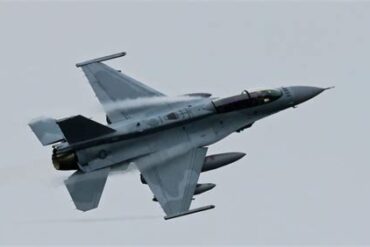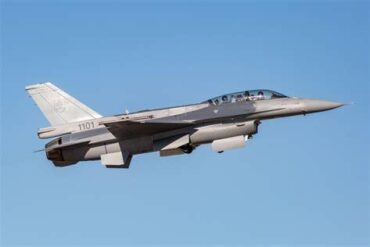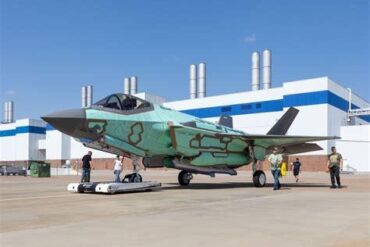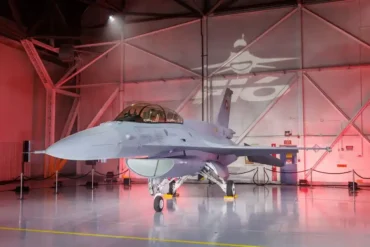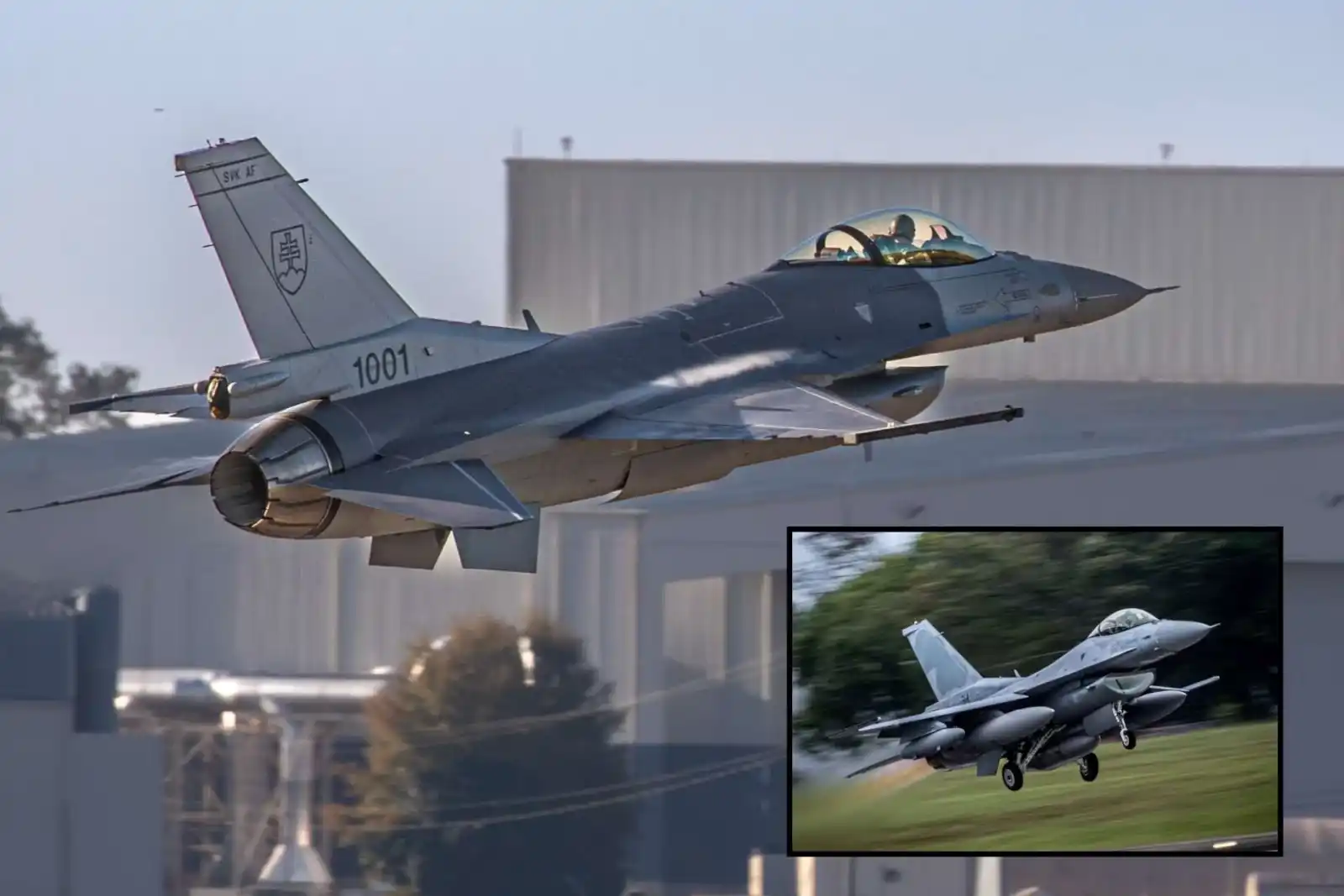
Lockheed Martin has reached a critical milestone in the modernization of NATO’s eastern air defenses by completing production of all F-16 Block 70 fighter jets ordered by Bulgaria and Slovakia. This marks a transformative shift from acquisition to operational deployment for both nations as they step closer to full NATO integration in the face of persistent geopolitical tensions, particularly from Russia’s ongoing war in Ukraine.
Strategic Fulfillment of NATO Commitments
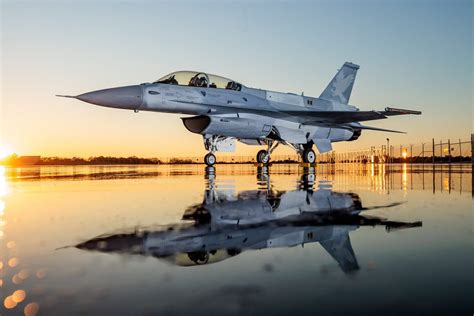
On December 15, 2025, Lockheed Martin announced the final production of the F-16 Block 70 fleets for Bulgaria and Slovakia at its Greenville, South Carolina, facility. Manufactured under the U.S. Foreign Military Sales (FMS) program, this completion ends a multiyear process aimed at phasing out both countries’ outdated Soviet-era MiG-29s. The milestone is not merely industrial—it signals a shift in the security architecture of Central and South-Eastern Europe, turning political ambitions into operational realities.
The completed production paves the way for both air forces to move from symbolic procurement to combat-ready deployment, bringing credible deterrence and frontline readiness against a backdrop of heightened tensions on NATO’s eastern flank.
The Advanced Capabilities of the F-16 Block 70
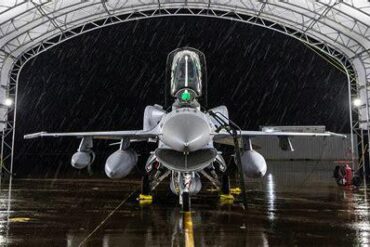
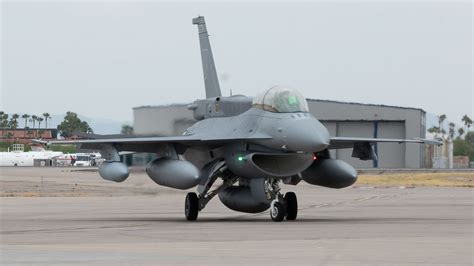
The F-16 Block 70 represents the most technologically sophisticated version of the iconic Fighting Falcon platform. It fuses a proven, durable airframe with a suite of next-generation systems that elevate its performance to modern warfare standards:
- APG-83 AESA radar, which offers 4th-gen aircraft sensor parity with 5th-gen fighters like the F-35
- Conformal Fuel Tanks (CFTs) for extended range and mission endurance
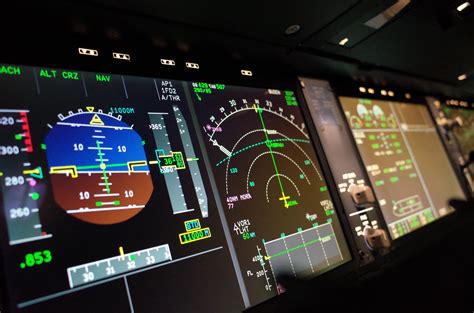
- Fully digital cockpit with advanced information fusion
- 12,000-hour airframe service life
- Automatic Ground Collision Avoidance System (Auto-GCAS), credited with saving multiple pilots’ lives across global fleets
These systems enable Bulgaria and Slovakia to operate multirole fighters capable of executing air superiority, defensive counter-air, and precision strike missions across a broad NATO-standard arsenal.
Bulgaria’s Strategic Leap Forward
Bulgaria’s journey to acquiring F-16 Block 70 fighters spans two procurement contracts—one in 2019 and a follow-up in 2022—totaling 16 aircraft. The jets were ordered to replace the aging MiG-29 fleet that had become increasingly difficult and costly to maintain. Pandemic-related delays and global supply chain disruptions pushed back initial deliveries, forcing the Bulgarian Air Force to rely on allied NATO detachments for air policing tasks.
Now, with production finalized, Bulgaria is poised to take back full responsibility for quick reaction alert (QRA) missions and contribute more consistently to Black Sea regional air policing rotations, particularly as Russia intensifies aerial activities near Ukraine’s coastlines.
Slovakia Becomes Europe’s First Block 70 Operator
Slovakia ordered 14 F-16 Block 70/72 fighters in 2018, well before Bulgaria’s second order. These were meant to replace the country’s MiG-29s, which were eventually donated to Ukraine in 2023, creating a temporary vacuum in Slovak air defense. During this gap, Poland and Czechia stepped in to cover Slovak airspace.
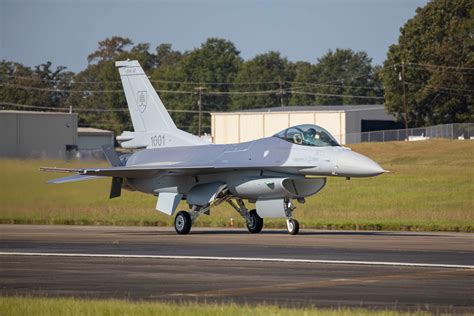
With the production now complete and initial deliveries already received, Slovakia emerges as the first European operator of the Block 70 variant. The focus now shifts to ramping up pilot conversion training, expanding local maintenance capabilities, and fully integrating these platforms into NATO’s air defense architecture.
Strengthening NATO’s Eastern Flank
These deployments are not just national upgrades—they are NATO milestones. The Black Sea basin and the Central European corridor—two of NATO’s most vulnerable airspaces—now benefit from an enhanced, standardized fighter presence. Bulgarian F-16s will join missions alongside Romanian, Turkish, and Greek air assets, creating a cohesive southern air policing shield.
Meanwhile, Slovak F-16s will support the central corridor, connecting the Baltics to the Balkans, a critical zone for deterring Russian expansion. Their presence complements Poland’s existing F-16 fleet and future F-35 acquisitions, while harmonizing with Western fighter deliveries to Ukraine, including F-16s and Mirage 2000s.
Operational Interoperability and Tactical Cohesion
The true power of this modernization lies in interoperability. Standardized platforms across NATO enable:
- Shared pilot training pipelines
- Unified logistics and munitions
- Common tactical doctrines and mission planning tools
This creates operational flexibility and allows rapid redeployment of assets across borders. It ensures that even smaller air forces, like those of Bulgaria and Slovakia, can act as active contributors rather than dependents in joint NATO missions.
Industrial Impact and Transatlantic Collaboration
Lockheed Martin’s Greenville production line is currently the world’s only active F-16 assembly site. It sustains 1,500+ jobs in the U.S. and engages a global supply chain of 530+ companies across 12 countries. This includes key European industrial partners:
- LOTN (Slovakia)
- Avionams (Bulgaria)
This industrial structure embeds both countries into a broader transatlantic defense ecosystem, facilitating access to training, sustainment, and upgrades. As Europe explores 5th-gen platforms and future combat air systems, the F-16 Block 70 remains a realistic, cost-effective solution for nations seeking modern capabilities without sacrificing NATO standardization.
Political Stakes and Strategic Readiness
Completing production is only the first phase. Success will be measured by how effectively both countries integrate their fleets into daily NATO operations. Key requirements include:
- Training sufficient pilots and maintenance crews
- Upgrading national airbases and infrastructure to support modern fighter operations
- Political decisions to commit aircraft to NATO missions, including air policing and rapid-response operations
If these elements align, the F-16 Block 70 will provide far more than just airframes. It will offer true networked combat capability, elevate both nations’ voices in NATO’s defense discourse, and empower them as strategic players in a rapidly shifting European security environment.
Conclusion: From Acquisition to Alliance Integration
The completion of F-16 Block 70 production for Bulgaria and Slovakia is a landmark moment in NATO’s ongoing eastward transformation. It marks the transition from Cold War relics to digitally networked multirole air power. Beyond national defense, these aircraft enhance NATO’s collective deterrence, bolster air superiority across two vital regions, and deepen the industrial and political integration between the United States and Eastern Europe.
The road ahead—training, logistics, deployment—will determine how impactful this moment becomes. But with this milestone, Lockheed Martin has laid a powerful foundation. What Bulgaria and Slovakia build on it may well define their place in the next era of European security.